
You’ll get a practical seven-day dinner plan that lets you cook twice and eat thrice, so weeknights feel manageable. It mixes batch-cooked staples, one-pan roasts, one-pot pastas, and appliance-friendly recipes. You’ll save time, cut decision fatigue, and build lunches or freezer meals—keep going and I’ll show you the plan and simple steps to pull it off.
Key Takeaways
- Build a 7‑day plan mixing one‑pan roasts, one‑pot pastas, plant‑forward curries/stir‑fries, air‑fryer fish, and a slow‑cooker stew for variety and ease.
- Batch‑cook staples (rice, roasted veg, proteins) and freeze portions to speed weekday reheating and maintain texture.
- Use high‑heat roasting or air‑frying for crispness, and one‑pot methods to minimize cleanup and concentrate flavor.
- Plan seasonal vegetable swaps, simple marinades/sauces, and a 30‑minute weekday dinner option to reduce planning friction.
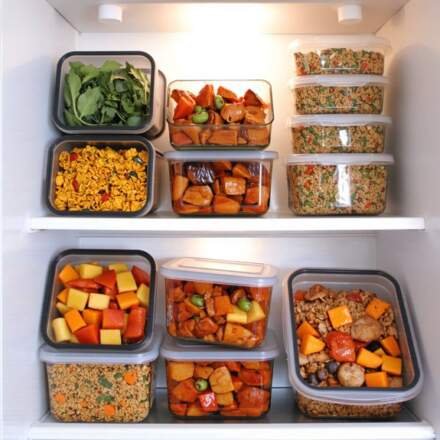
- Prep a single grocery list, portion meals into containers, and label with date and reheating instructions for safe storage.
Sheet-Pan Lemon-Garlic Chicken With Roasted Seasonal Veggies
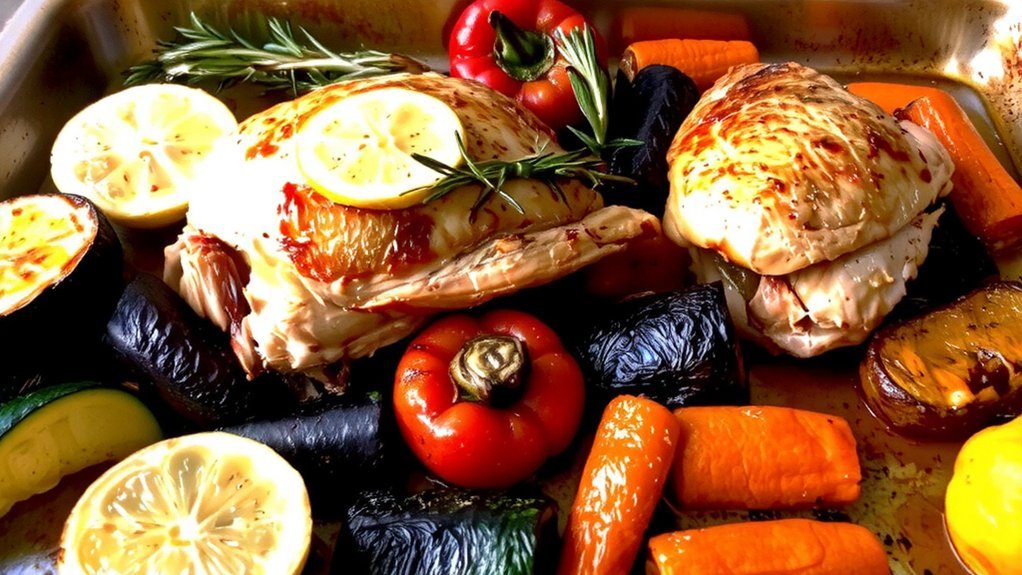
Roast a whole meal on one pan: lemon-garlic chicken gets a bright, savory glaze while seasonal vegetables caramelize at the edges, so you get juicy meat and crisp-tender veg with minimal cleanup.
You’ll toss chicken and veggies in a simple marinade that balances acid, oil, garlic, and herbs—Marinade chemistry matters: acid tenderizes, oil carries flavor, and aromatics build depth.
Arrange pieces spaced for even browning, flip once, and let high heat create golden edges.
Use Veggie swaps to match seasonality: swap potatoes for sweet potatoes in fall, toss in asparagus in spring, or add bell peppers in summer.
Finish with lemon zest and a sprinkle of parsley so dinner feels fresh and effortless. Serve with crusty bread or rice for a complete, balanced meal.
One-Pot Creamy Tomato Tortellini With Spinach
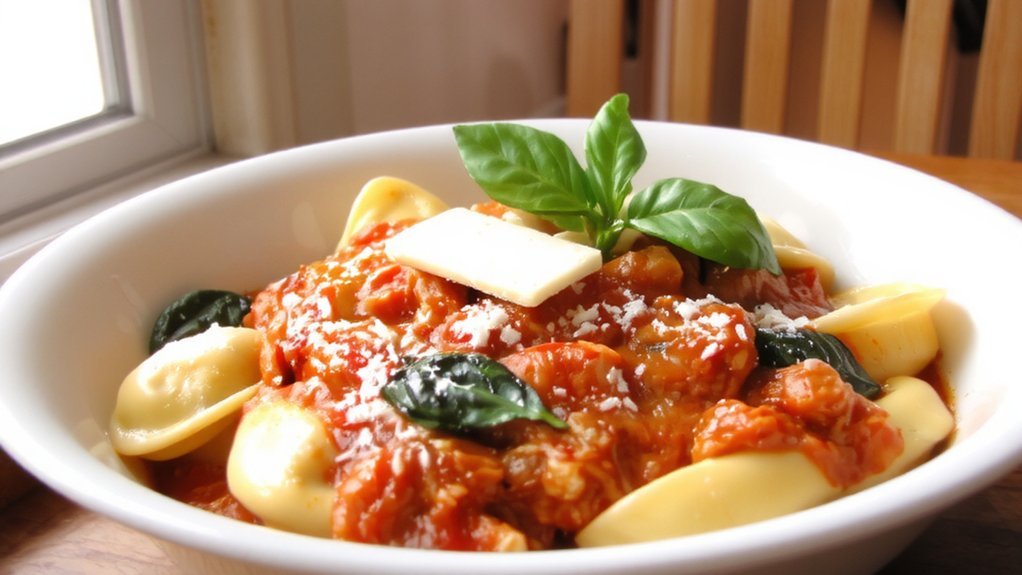
You can make this creamy tomato tortellini in one pot to save time and minimize cleanup.
Before you start, check the ingredient list—cheese tortellini, crushed tomatoes, broth, cream, garlic, spinach, and salt and pepper.
You’ll also get straightforward serving suggestions and storage tips to keep leftovers creamy and safe.
One‑Pot Method
When you’re short on time but want comfort food, the one‑pot creamy tomato tortellini with spinach gets dinner on the table fast and with minimal cleanup. You’ll heat oil, use browning techniques on aromatics to build layered flavors, then deglaze with tomatoes and broth so nothing’s wasted.
Add tortellini and spinach directly to the pot, stir gently, and simmer until pasta’s tender and sauce is glossy. Finish with cream or cheese, taste, and adjust seasoning.
This method keeps cookware minimal, cuts hands-on time, and concentrates flavor in every bite. You’ll save time on washing up and still serve a satisfying, restaurant‑style meal that feels homey and intentional. Swap herbs or crushed red pepper to vary the profile without increasing effort or cleanup at once.
Ingredient Checklist
Gather the ingredients for a quick, flavorful one‑pot meal: fresh or frozen cheese tortellini, canned crushed or diced tomatoes, low‑sodium vegetable or chicken broth, heavy cream or grated Parmesan, a handful of fresh spinach, one onion and a few garlic cloves, olive oil, salt and black pepper, plus optional basil or oregano and crushed red pepper for heat.
You’ll also want basic pantry staples like dried herbs, canned tomatoes, and olive oil so you can pull this together any night.
Use measurement tips: cup for liquids, ounces for cheese, and adjust salt to taste.
Prep onion and garlic first, and keep spinach ready to stir in at the end.
- Tortellini selection
- Sauce components
- Seasonings and garnishes
Keep extras for quick swaps.
Serving and Storage
After simmering, plate the tortellini hot and finish each bowl with a sprinkle of grated Parmesan, torn basil or oregano, a drizzle of olive oil, and a pinch of crushed red pepper for brightness.
Serve immediately to preserve creaminess; if you pause, the sauce will thicken.
For leftovers, cool quickly, transfer to airtight containers, and label each with date and portion labeling so you know servings.
Refrigerate up to 3 days or freeze up to 2 months.
When reheating, follow temperature guidelines: bring refrigerated portions to 165°F (74°C) throughout; thawed frozen portions reheat gently on low to avoid curdling.
Reheat on stove with a splash of water or milk, stirring until creamy.
Consume reheated food promptly; discard if off-odor or texture or freezer burn.
Air-Fryer Crispy Salmon and Broccoli With Herbed Rice
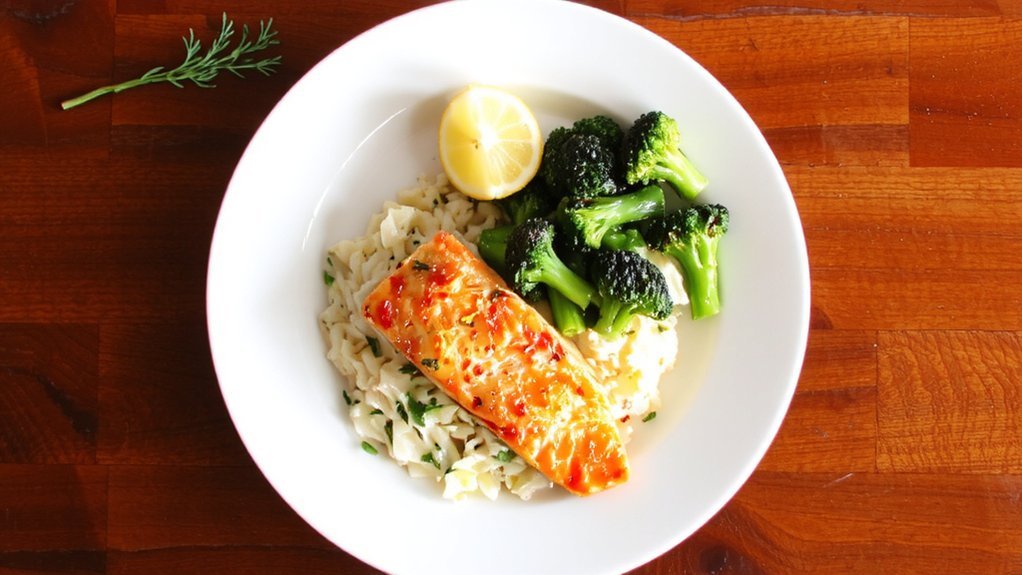
You’ll learn simple techniques to get ultra-crispy salmon in the air fryer without overcooking.
You’ll time the broccoli so it stays bright and tender-crisp, and you’ll see how different herbs and liquids change the rice’s flavor and texture.
These tricks make a balanced, weeknight-friendly meal.
Crispy Salmon Techniques
Crisping salmon in the air fryer gives you golden, crunchy skin and moist, flaky flesh; pair it with roasted broccoli and a simple herbed rice to make a fast, balanced weeknight meal. You’ll want to focus on skin scoring and a short rest before cooking, then finish with butter basting for extra flavor.
Use high heat, dry the skin, and don’t overcrowd the basket. Try these quick steps:
- Pat dry, score skin, season.
- Air-fry at high temp, flip if needed.
- Rest briefly, spoon warm butter over fillets.
You’ll get crisp skin and tender flesh without fuss, and the herbed rice soaks up juices. Adjust seasoning to taste and serve immediately.
Garnish with lemon and chopped parsley for brightness and cracked pepper.
Broccoli Texture Timing
When you want broccoli that’s tender-crisp rather than limp or leathery, cut the florets evenly, toss them lightly in oil and salt, and stagger their time in the air fryer so they finish with the salmon.
Aim for six to eight minutes at 375°F for small florets, nine to eleven for larger pieces, shaking the basket halfway; this timing complements the salmon’s cook without overbrowning.
If you prefer a softer interior, use quick blanching times—thirty to sixty seconds in boiling water—then shock in ice to stop carryover cooking before air frying. Alternatively, brief steaming can be done for two to three minutes; adjust steaming duration to your taste and the florets’ size. Finish with a squeeze of lemon and a sprinkle of salt now.
Herbed Rice Variations
Balancing your herbed rice with the air-fried salmon and broccoli turns a simple dinner into a cohesive meal, so choose herbs and grains that match the dish’s bright, slightly smoky flavors.
You can make a light Herb Pilaf with parsley, lemon zest, and toasted almonds for freshness.
Or try a subtle Saffron Pilaf—infuse the broth, keep rice fluffy, and let saffron shine without overpowering the fish.
For speed, pick quick-cooking grains like jasmine or basmati and use broth for depth.
Follow these simple approaches:
- Keep herbs fresh and add at the end.
- Toast spices briefly to release aroma.
- Fluff rice and rest briefly before plating to merge flavors.
You’ll finish faster if you measure liquid precisely and let rice sit off heat for five minutes.
Quick Stir-Fry With Tofu, Snap Peas, and Brown Rice
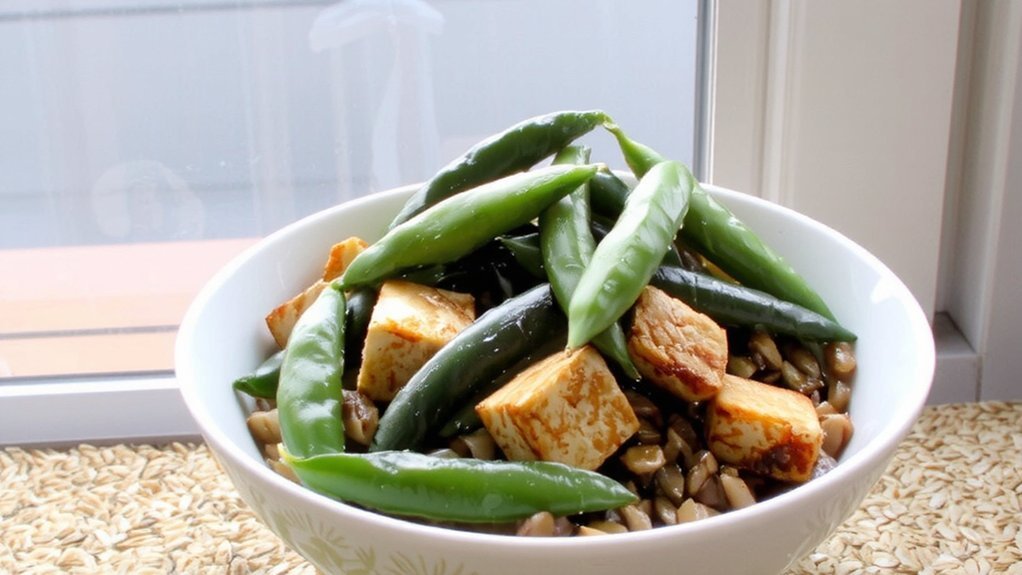
Toss firm tofu, snap peas, garlic, and ginger into a screaming-hot pan and you’ll have a bright, savory stir-fry in about 20 minutes.
You’ll want to do tofu pressing ahead to drain excess moisture so cubes sear instead of steam. Heat sesame oil, add tofu in a single layer, and resist turning until a crust forms.
Add minced garlic and ginger, then toss in snap peas—respect snap pea timing: they only need two to three minutes to stay crisp.
Splash low-sodium soy, a touch of rice vinegar, and honey or maple to balance. Serve over warm brown rice, garnish with scallions and sesame seeds. You’ll enjoy leftovers reheating well for weekday lunches too.
Slow-Cooker Beef and Root Vegetable Stew
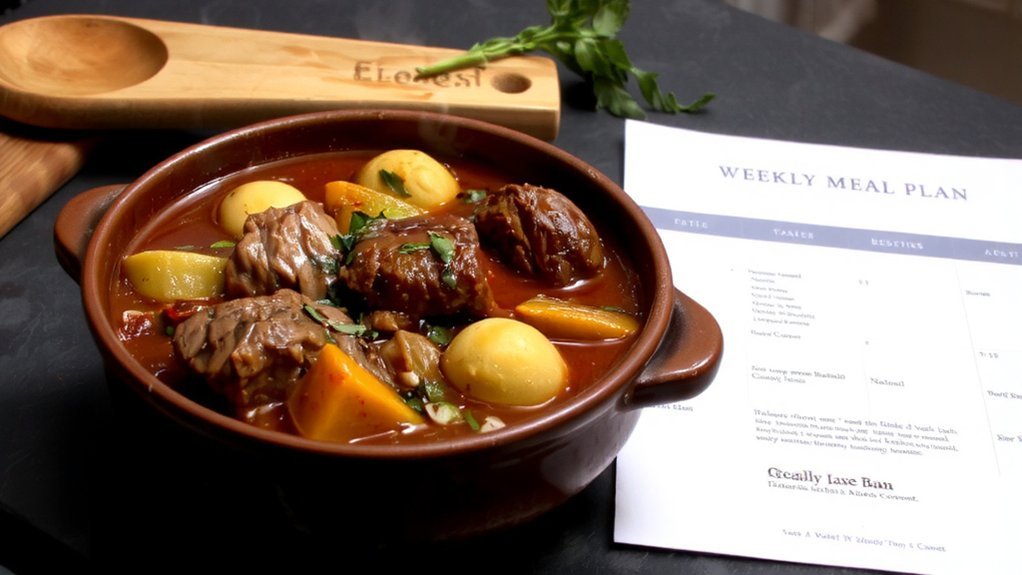
Layering browned beef, hearty root vegetables, aromatics, and broth into your slow cooker yields a deeply flavored, hands-off stew.
You’ll sear meat first to capture browning benefits, then add carrots, parsnips, potatoes, onion, garlic, thyme, and bay leaf.
Set low for 7–8 hours or high for 4–5, and resist lifting the lid.
For stew thickening, stir in a slurry of flour or cornstarch near the end, or mash a few potatoes to naturally thicken the broth.
Serve with crusty bread and a simple green salad.
Quick tips:
- Brown beef well for deeper flavor.
- Trim veggies uniformly for even cooking.
- Adjust salt after reduction to avoid overseasoning.
You can freeze portions for easy reheating on busy nights without sacrificing taste and texture.
Chickpea and Sweet Potato Coconut Curry
When you simmer chickpeas, cubed sweet potatoes, onions, garlic, and warm spices in coconut milk, you’ll get a creamy, fragrant curry that’s hearty, simple to make, and great for leftovers or freezing.
You’ll sauté onions and garlic, bloom spices to build depth, then add peeled sweet potato chunks, drained chickpeas, tomatoes, and coconut milk; simmer until tender.
Use spice layering—toast whole spices, add ground spices early, finish with garam masala—for balanced flavor. If you avoid coconut, try coconut alternatives like almond milk with a spoon of tahini or cashew cream for richness.
Serve over rice or quinoa, garnish with cilantro and lime, and portion into containers; it reheats well and freezes without losing texture or flavor. You’ll enjoy easy, nutritious meals all week long.
Weeknight Pasta Primavera With Garlic-Parsley Crumbs
Often you’ll pull together a vibrant pasta primavera in under 30 minutes by sautéing seasonal vegetables, tossing them with pasta and a light sauce, then finishing everything with crunchy garlic-parsley crumbs for contrast.
You’ll use whatever’s fresh—zucchini, peas, cherry tomatoes—and adjust cooking so vegetables stay bright.
For ease, use pasta; reserve pasta water to loosen the sauce.
Try Veggie swaps to vary texture and color: asparagus, bell pepper, or broccoli florets.
Make Crumb variations by toasting panko with garlic, parsley, lemon zest, or replace with toasted almonds for crunch.
Serve immediately, topping with crumbs and a squeeze of lemon.
You’ll find a reliable weeknight meal that’s flexible and satisfying.
- Prep veggies first.
- Cook pasta al dente.
- Add crumbs at the end.
Conclusion
You’ll save time and stress all week by doubling recipes, prepping bases, and mixing up flavors so dinners stay fresh. Keep labeled portions in the fridge and freezer, reheat rice or salads, and swap proteins or veggies to suit taste and season. Use your slow cooker, air fryer, and sheet pans to minimize cleanup, and rely on one-pot and appliance-friendly meals for busy nights — then enjoy relaxed, tasty meals with minimal fuss every single night.