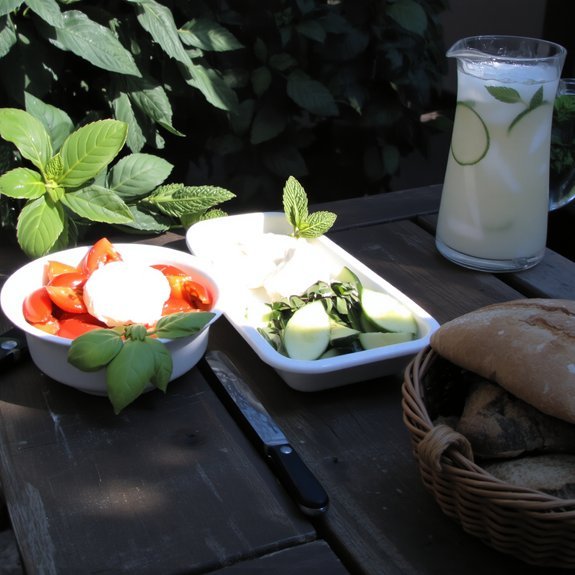

You’ll find this no-cook meal plan helps you make fresh summer meals without firing up the oven. It leans on peak produce, pantry staples, quick salads, chilled proteins and make-ahead dressings so you’ll save time, money and heat in the kitchen. Keep going for a practical week-long plan, shopping list and safety tips…
Key Takeaways
- Build meals around high-water summer produce (tomatoes, cucumbers, berries, peaches, melons) for freshness and minimal prep.
- Use quick proteins like canned tuna, chickpeas, smoked salmon, rotisserie chicken, or firm tofu for no-cook satiation.
- Dressings: mix 3 parts oil to 1 part acid, add mustard or yogurt to emulsify, and store in leakproof jars.
- Prep components ahead, portion into shallow containers, label with dates, and refrigerate within two hours for safety.
- Packable options: mason-jar salads, wraps, chilled grain bowls, fruit parfaits, and cold ceviche-style shrimp for portable summer meals.
Best Summer Produce for No-Cook Meals
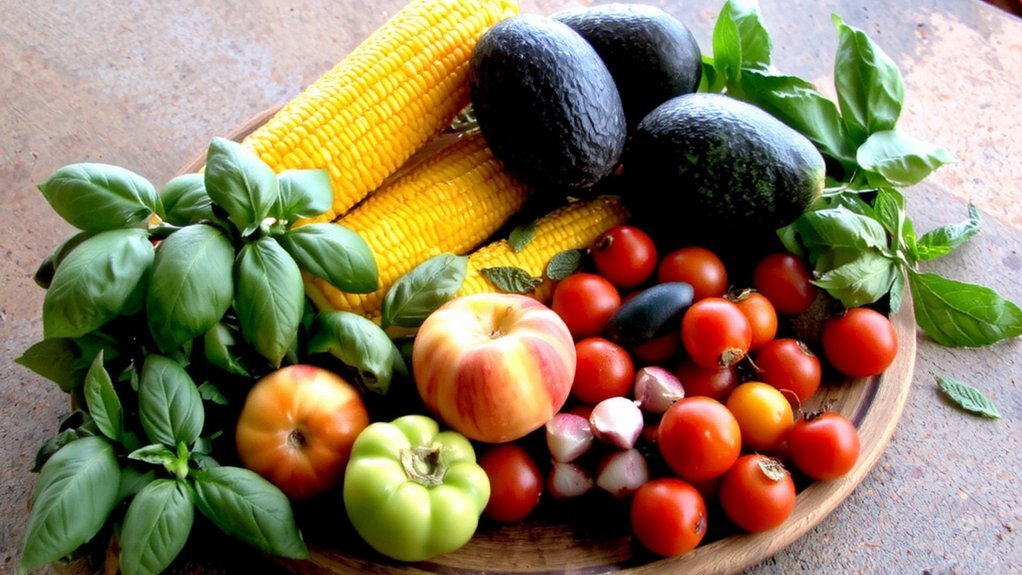
Choosing ripe, high-water-content produce makes no-cook meals invigorating and satisfying. You’ll pick tomatoes, cucumbers, peaches, berries, and ripe melons that need no heat to shine.
Learn ripeness indicators: give tomatoes a gentle squeeze, sniff the stem, check color and aroma on peaches, and press melons for a dull thud. Seek crisp cucumbers and firm peaches that yield slightly without bruising.
Try heirloom varieties for deeper flavor and varied texture—those unique shapes and colors brighten salads and gazpachos. Store produce separately to avoid premature softening and chill berries briefly before serving.
Prep with simple knives and bowls: slice, toss, and dress lightly so the fresh produce remains the meal’s focal point. You’ll balance textures and temperatures to keep every bite bright and revitalizing all summer.
Pantry Staples and Flavor Boosters
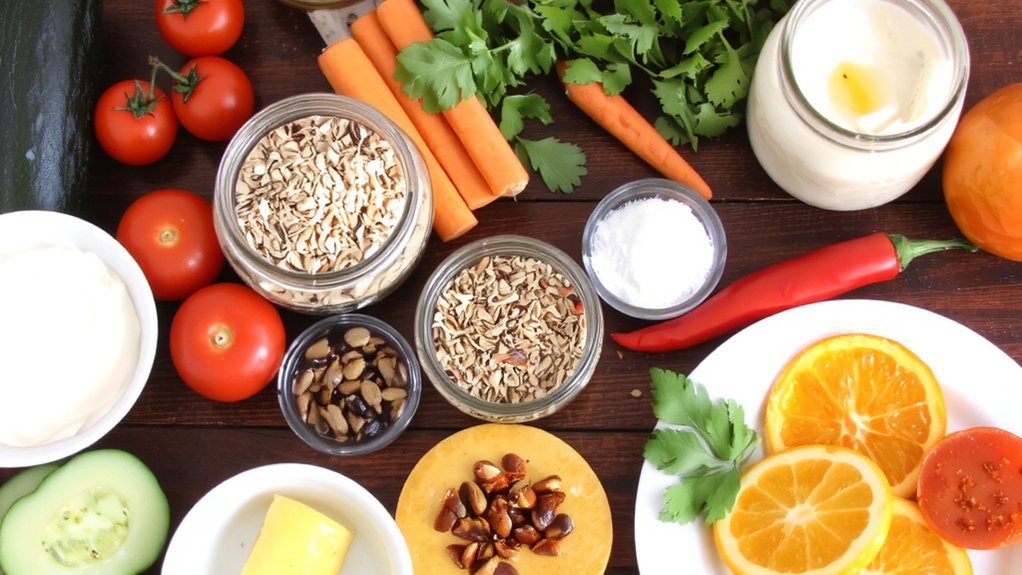
A handful of pantry staples will let you assemble vibrant no‑cook meals in minutes.
- Umami enhancers: miso, anchovy paste, soy sauce.
- Herb blends: za’atar, oregano, herbes de Provence.
- Oils & acids: extra‑virgin olive oil, vinegars, citrus.
- Crunch & protein: toasted nuts, seeds, canned tuna, chickpeas.
Keep jars of olives, capers, and roasted peppers for briny lift and a small jar of mustard and hot sauce for quick finishing.
Store pickles for contrast.
You’ll also want a steady supply of citrus zest and fresh garlic too.
Rotate these items, restocking what you use most, and buy small amounts of specialty ingredients so flavors stay bright; this keeps your no‑cook repertoire flexible, affordable, and consistently delicious without turning on the oven or running any appliances daily.
Quick Salads and Grain Bowls (Under 15 Minutes)
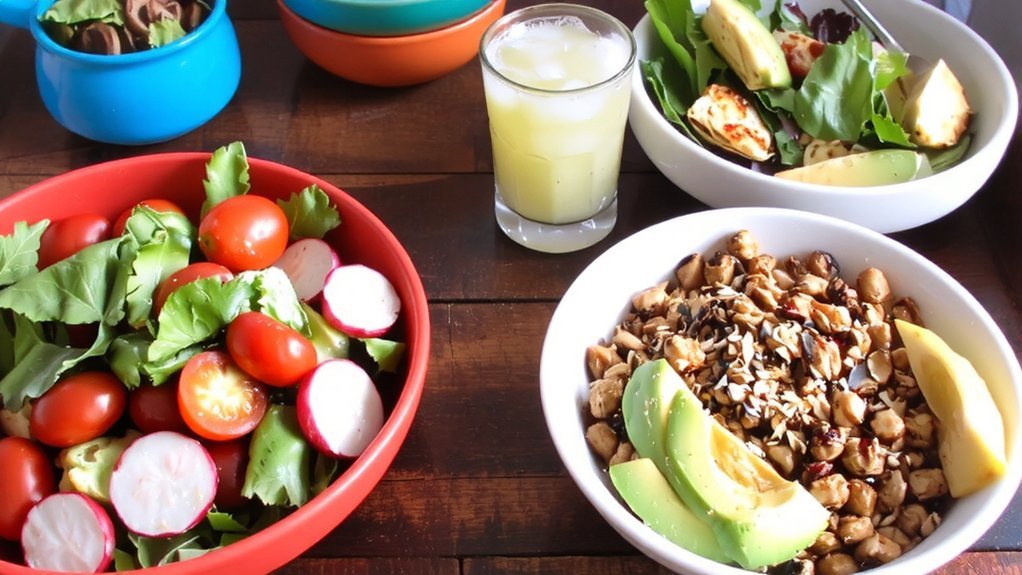
You can build satisfying salads fast by pairing speedy greens with ready proteins like canned tuna, rotisserie chicken, or marinated tofu.
Use no-cook grain bases such as pre-cooked quinoa, instant couscous, or chilled farro to add heft without heating the stove.
Whip up dressings in minutes — a simple olive oil–citrus vinaigrette or yogurt-mustard sauce will tie everything together.
Speedy Greens and Proteins
When summer heat makes turning on the stove unbearable, toss together speedy greens and proteins that’re ready in under 15 minutes. You’ll pair baby spinach or mixed greens with canned tuna, rotisserie chicken, chilled shrimp, or smashed chickpeas for fast protein, paying attention to plating aesthetics and Kid preferences so everyone digs in. Dress with lemon, olive oil, and a sprinkle of nuts or seeds. Use herbs to lift flavor.
- Baby spinach + canned tuna, lemon vinaigrette
- Mixed greens + chilled shrimp, garlic-yogurt sauce
- Romaine cups + rotisserie chicken, avocado
- Kale massaged briefly + smashed chickpeas, paprika
You’ll finish bowls quickly, keeping meals cool, colorful, and satisfying. Swap dressings and proteins to suit seasonality and allergies, and prep components ahead for speed. Every time.
No-Cook Grain Bases
After those speedy greens and proteins, swap in no-cook grains to create hearty bowls without heat. You’ll reach for pre-cooked, soaked, or ready-to-eat options like canned millet, quick-soaked freekeh, and cold-soaked oats to build texture fast.
Choose Ancient Varieties—sorghum, amaranth, einkorn—for flavor and nutrition, and remember milling affects taste and cook time: Milling Effects strip bran and alter chew, so pick whole-grain or cracked forms for bite. Rinse and soak denser grains briefly to soften them, then mash or fluff with a fork.
Toss grains with fresh herbs, chopped veggies, and a splash of acid or oil just before serving. You’ll assemble satisfying bowls in under 15 minutes without turning on the stove. Keep portions flexible so you can vary meals without planning ahead.
Dressings in Minutes
How do you make a dressing that brightens a salad or grain bowl in minutes?
You grab simple pantry staples, whisk quickly, and taste for Acid balance—bright, not overpowering.
Use Emulsion hacks: start with mustard or yogurt to stabilize oil and vinegar.
Aim for 3 parts oil to 1 part acid, then tweak.
- Whisk mustard, vinegar, salt, pepper
- Stream oil while whisking to emulsify
- Add a spoon of honey or miso for depth
- Finish with herbs or citrus zest
You can shake dressings in a jar for 10 seconds and they’re ready.
Taste, adjust salt and acid, then toss immediately so greens and grains soak up flavor without sogginess.
Store leftovers refrigerated and use within three days for best freshness.
Label jars with date placed.
No-Cook Protein Options and Assembly Ideas
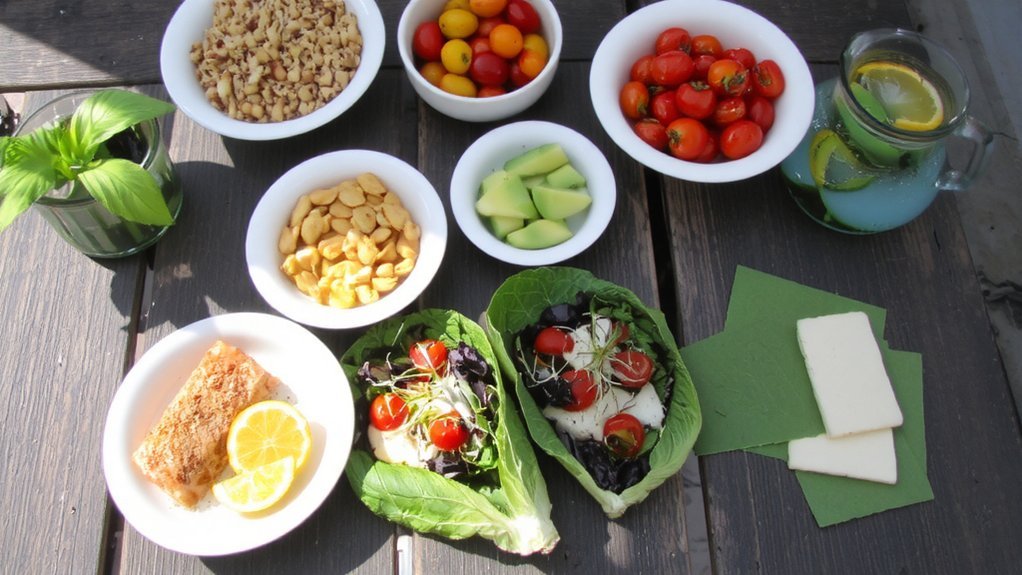
Grab ready-to-eat proteins—canned tuna or salmon, smoked fish, pre-cooked rotisserie chicken or deli slices, firm tofu or tempeh, beans and lentils, and hummus or nut butters—and you’ll have a versatile foundation for quick no-cook meals.
Use Smoked Salmon on bagels, crackers, or cucumber rounds with cream cheese, capers, and dill for effortless elegance.
Make ceviche-inspired bowls by marinating precooked shrimp or bay scallops in citrus, adding avocado, tomato, onion, cilantro, and chili for bright contrast—Ceviche Variations can swap citrus for yuzu or lime-leaf oil.
Build grain bowls with quinoa or chilled rice, a protein, roasted peppers, olives, and a quick dressing.
Assemble lettuce wraps, pita pockets, and mason-jar salads for portable, mix-and-match lunches.
You’ll meal-prep components ahead to assemble in minutes every day easily.
Chilled Soups, Smoothies, and Refreshing Drinks
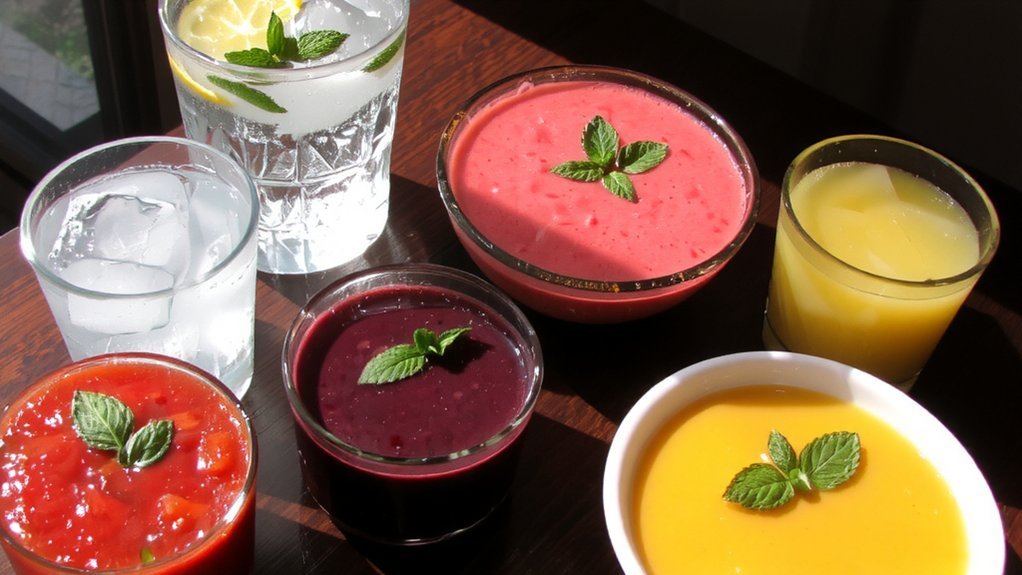
Why not cool down with a lineup of chilled soups, smoothies, and thirst-quenching drinks that keep prep under ten minutes and require no stove?
You can blend ripe tomatoes into gazpacho with cucumber and sherry vinegar.
Toss herbs into Herbal Infusions for subtle flavor.
For smoothies, mix frozen fruit, yogurt or plant milk, plus nut butter for protein.
Cooling drinks include iced herbal tea, lime-mint agua fresca, and sparkling spritzers.
Use Garnish Techniques like citrus twists, microgreens, crushed nuts, or edible flowers to elevate presentation.
Try these quick combos:
- Tomato-cucumber gazpacho with basil oil drizzle, cold
- Mango-banana smoothie with chia and almond milk
- Iced green tea Herbal Infusions with lemon wedge
- Sparkling berry spritzer topped with crushed mint
Make-Ahead Prep, Storage, and Safety Tips
When you make meals ahead, cool perishable items quickly and get them into the fridge within two hours (one hour if it’s above 90°F). Use airtight, BPA-free containers or glass jars to keep flavors fresh and prevent cross-contamination.
Label containers with contents and date, and follow shelf-life guidelines—most no-cook salads and dips last 3–4 days, while cut fruit and smoothies are best within 24-48 hours.
Safe Make-Ahead Cooling
If you’re prepping meals ahead, cool and store them quickly so bacteria don’t get a chance to grow. You’ll prevent thermal stratification by breaking large batches into shallow portions and starting chilling rituals immediately.
Move food to the fridge within two hours, or one hour if it’s hot outside. Rapid cooling keeps texture and safety.
- Divide hot-prepped salads into shallow pans to speed cooling.
- Use ice baths for dressings or dairy-based dishes.
- Label with date and time so you use items promptly.
- Keep cooked and ready-to-eat foods separate in the fridge.
Check fridge temperature (≤40°F/4°C) and avoid leaving perishable foods at room temperature. Reheat only once and discard any food that smells off. When in doubt, err on the side of safety and toss.
Storage Container Choices
After you’ve cooled foods quickly, choosing the right containers helps keep them safe and fresh.
Pick containers with airtight lids, clear sides for visibility, and a Stackable Design to save space in fridge or cooler.
Use BPA-free plastic, glass, or stainless steel; prioritize Sustainable Materials when possible to reduce waste and avoid chemical leaching.
Label containers with contents and prep date using waterproof tape or markers, and separate raw from ready-to-eat items to prevent cross-contamination.
Portion into single-serving containers for grab-and-go meals and faster cooling.
For dressings and wet components, use small leakproof jars to prevent sogginess.
Clean and dry containers thoroughly before reuse, and store lids separately to maintain airflow while cooling if you’ll cover only after temperature drops.
Rotate supplies on schedule.
Shelf Life Guidelines
Because keeping food safe starts with timing and temperature, cool leftovers quickly and get them into the fridge (40°F/4°C or below) within two hours.
Label with the prep date, and follow standard windows: most cooked dishes keep 3–4 days, mayo‑based salads and soft cheeses 2 days, cut fruit and vegetables 3–4 days, raw poultry and ground meats 1–2 days, and whole cuts of meat 3–5 days.
Freeze longer‑term (most cooked meals 2–3 months, meats 3–6 months) and thaw only in the fridge or cold water.
- Portion into meal-sized containers to limit reheating and bacterial risk.
- Track prep dates and rotate stock to improve waste metrics.
- Record storage costs for simple cost analysis of make-ahead batches.
- Don’t refreeze thawed items; discard if texture or smell changes.
No-Cook Snacks and Light Desserts
Enjoying fresh, no-cook snacks and light desserts keeps you cool and energized on hot days, and you can assemble satisfying bites in minutes with minimal cleanup.
Choose seasonal fruit platters, yogurt parfaits, chilled dips with crudités, and chilled grain salads for variety.
Focus on snack aesthetics: contrast colors, textures, and portion sizes so each plate feels intentional.
Use simple Dessert garnishes like mint sprigs, citrus zest, crushed nuts, or edible flowers to elevate flavor and presentation.
Packable options—wraps, rice-paper rolls, and snack jars—travel well for outings.
Keep ingredients chilled, store dressings separately, and portion to avoid waste.
You’ll enjoy invigorating, low-effort treats that satisfy sweet and savory cravings without turning on the oven.
Keep a cooler handy, and you’ll always have ready cooling snacks.
One-Week Sample Meal Plan and Shopping List
When you’re short on time but want variety and freshness, this one-week no-cook meal plan lays out balanced breakfasts, lunches, dinners, and snacks you can assemble in minutes, plus a consolidated shopping list so you buy once and use ingredients across multiple meals.
Use theme nights (Mediterranean, Taco, Salad, Sandwich) to streamline prep; evenings stay fun.
- Breakfasts
- Lunches
- Dinners
- Snacks
Each day pairs grab-and-go breakfast, protein-rich lunch, composed dinner, and snacks. The shopping list groups proteins, produce, pantry staples, and condiments so you avoid impulse buys and support budget planning.
Plan servings for leftovers, mix-and-match ingredients, and prep chopping or dressings once for the week. Stick to perishables early, freeze portions if needed, and rotate snacks to keep variety.
You’ll save time and money.
Conclusion
You’ve got a season of easy, fresh meals at your fingertips—no oven required. Use peak produce, pantry staples, and simple techniques to toss salads, assemble grain bowls, or marinate quick ceviches in under 15 minutes. Batch dressings, portion jars, and rotate leftovers so nothing goes to waste. Keep chilled items cold, follow safety tips, and enjoy vibrant, portable lunches and light dinners that save time, money, and summer heat while savoring simple seasonal flavors daily.