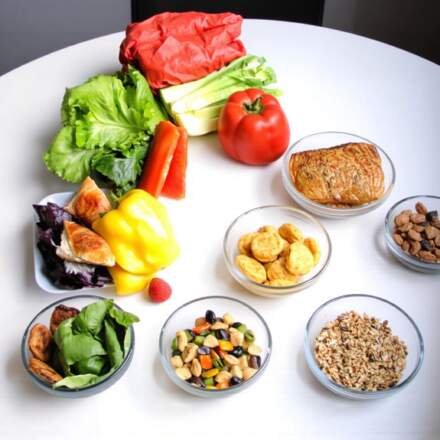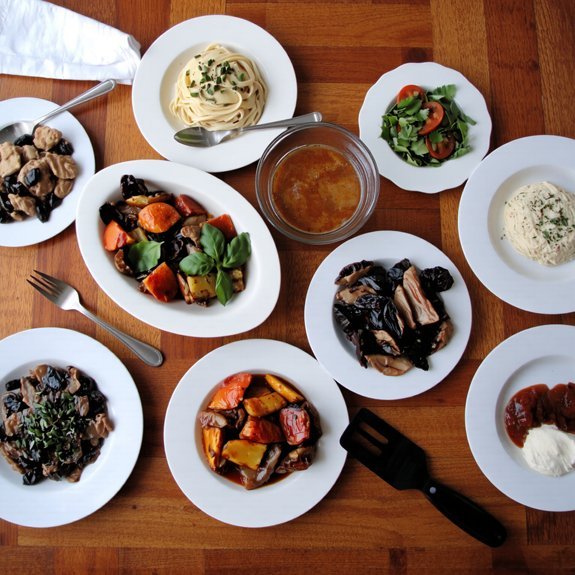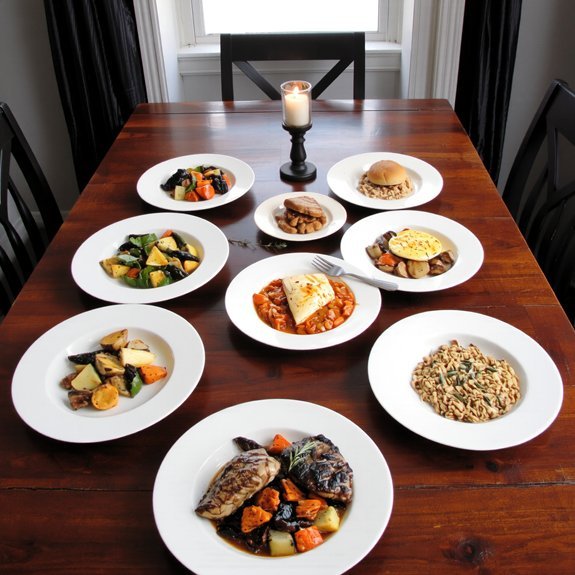
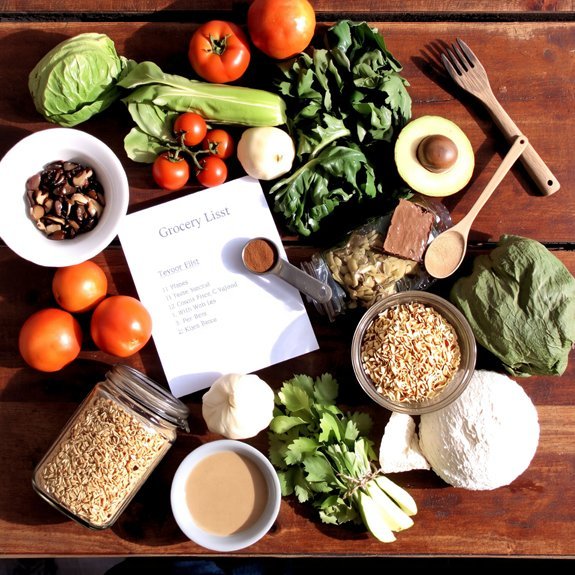

You can eat well without overspending by following this Cheap Meal Plan: 7 Days Under $100. It focuses on pantry staples, seasonal swaps, and batch-cooking to cut time and cost. You’ll get a grocery list, a day-by-day menu, and simple prep steps to simplify weeknight meals—plus practical ways to stretch leftovers and trim waste, so you’re set for the week and…
Key Takeaways
- Build a 7-day plan around affordable staples: rice, oats, canned beans, eggs, frozen vegetables, and seasonal produce to keep costs low.
- Create a compact grocery list with quantities, store-brand options, unit prices, and a running total to stay under $100.
- Batch-cook grains, proteins, and roasted vegetables in one 2–3 hour session for quick, portioned meals and reduced waste.
- Use versatile recipes (rice-and-beans, stir-fries, tacos, pasta) and rotate toppings/sauces to maintain variety with few ingredients.
- Compare unit prices, buy frozen/canned when cheaper, use bulk bins, and swap allergen-safe alternatives like oat milk or lentil protein.
How This Meal Plan Works
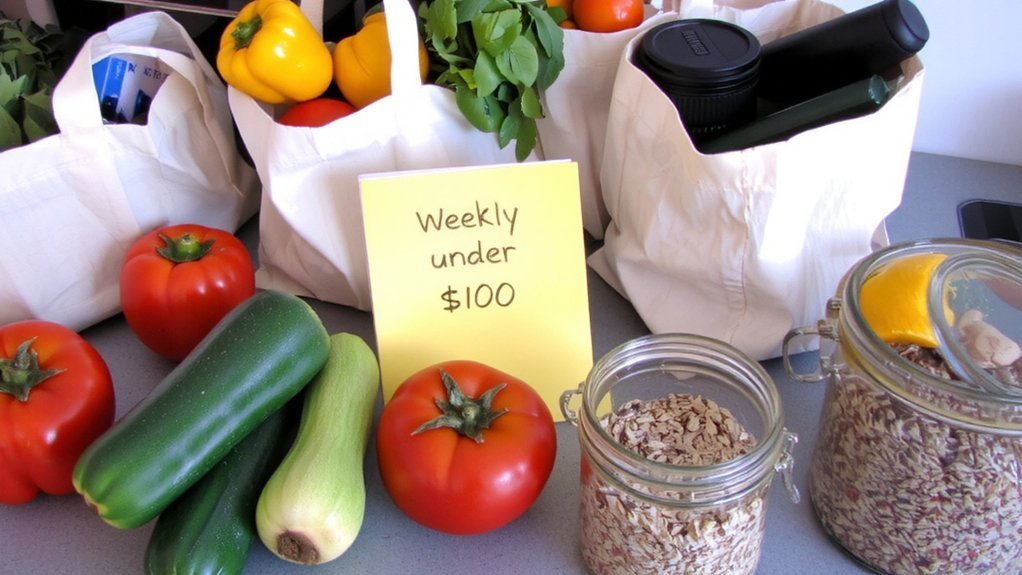
Because you want to eat well without overspending, this meal plan focuses on a few affordable staples, smart swaps, and batch cooking so you can prep once and eat well all week. You’ll rotate versatile crops, grains, and proteins to keep meals interesting while minimizing waste. You’ll use simple recipes that scale and prioritize leftovers for lunches.
Behavioral incentives, like visible portion containers and scheduled cook sessions, help you stick with the plan. You’ll apply energy budgeting by grouping stovetop and oven tasks to save time and utilities.
Snack choices are planned to curb impulsive buys. You’ll track meals briefly each week, adjust portions, and reuse ingredients so the plan stays practical, flexible, and wallet-friendly.
You’ll also set simple goals and measure progress regularly.
Weekly Grocery List and Estimated Costs
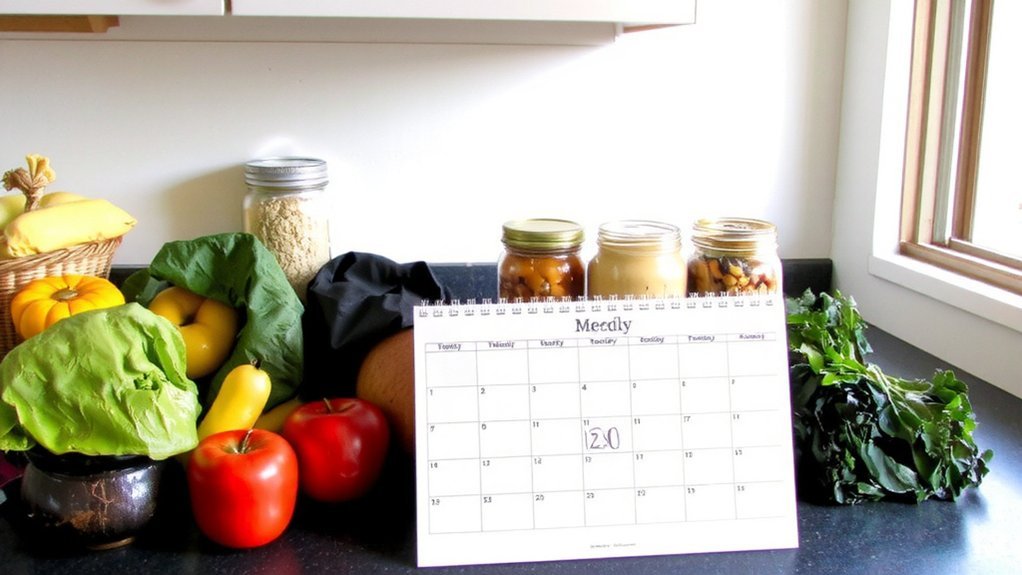
A compact weekly grocery list keeps shopping quick and costs predictable.
You’ll get a focused list organized by category: produce, grains, proteins, dairy, pantry staples, and approximate quantities so you can do unit comparisons at a glance.
Include versatile items like rice, canned beans, and eggs to stretch meals and reduce waste.
Add estimated prices per unit and per package to simplify Budget forecasting, and note store brand options and bulk sizes that cut per unit costs.
Tally a running total as you add items to avoid surprises at checkout.
Keep receipts and adjust next week’s list based on consumption and sales.
This system helps you stay under budget and shop faster.
Compare unit prices, buy sale items, and prioritize long‑lasting staples and brands.
7-Day Meal Plan: Breakfasts, Lunches, Dinners, and Snacks
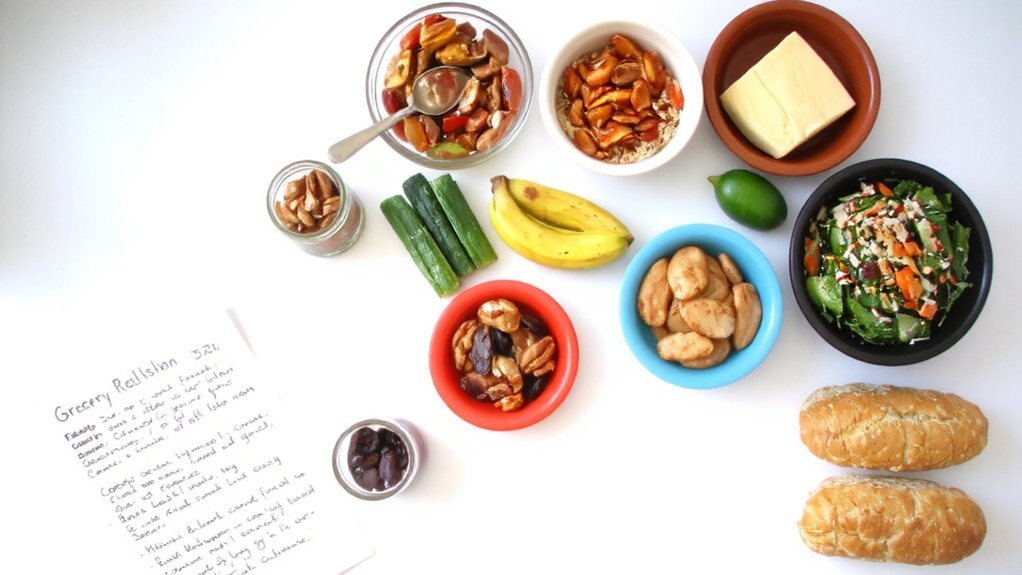
Several simple, repeatable meals will keep you fed and on budget: make overnight oats or scrambled eggs for breakfast, grain bowls or hearty sandwiches for lunch, rice-and-beans or vegetable stir-fries for dinner, and fruit, nuts, or yogurt for snacks.
You’ll plan each day with flexibility: mix bases, proteins, and veggies so leftovers transform into new plates. Aim for Kid Friendly options like mild tacos, fruit skewers, or simple pasta.
Use Presentation Tips—bright garnishes, neat stacking, and portioned bowls—to make cheap food appealing. Keep ingredients versatile and seasonings basic. Rotate a few sauces and one fresh salad to add variety without extra cost.
- Rotate starch, protein, veg.
- Pack snacks for quick hunger.
- Use herbs and citrus for flavor.
Switch toppings daily to keep meals exciting.
Batch-Cooking and Meal-Prep Schedule
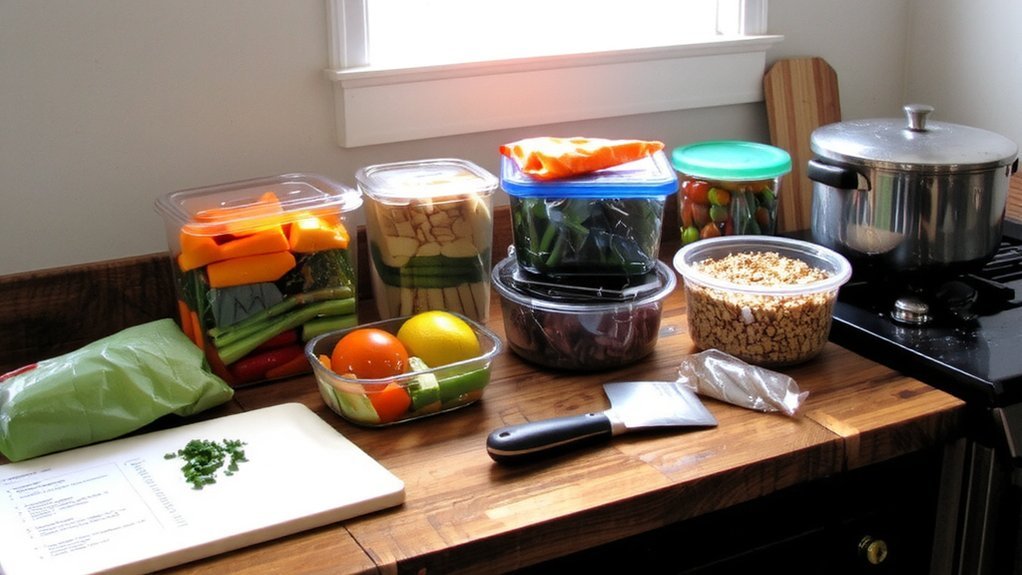
Batch-cooking on one or two weekend days lets you prepare versatile components—grains, proteins, roasted veggies, and sauces—that turn into quick breakfasts, lunches, dinners, and snacks all week; set aside 2–3 hours, follow a simple plan (cook, cool, portion, label), and you’ll cut daily decision-making and food waste.
Start by Time Blocking your session: assign 30–45 minutes to grains, 45–60 to proteins, 30 to roasting and sauces, with short rests to cool.
Create Prep Zones on your counter—washing, chopping, cooking, and packing—to keep flow efficient and reduce spills.
Portion into containers for grab-and-go meals, label with dates, and rotate older items first.
Reassess timings after a couple sessions and tweak so batch-cooking fits your rhythm.
You’ll save time, money, and stress while enjoying varied, home-cooked meals all week for less overall.
Smart Shopping Tips and Seasonal Swaps for 2025–2026
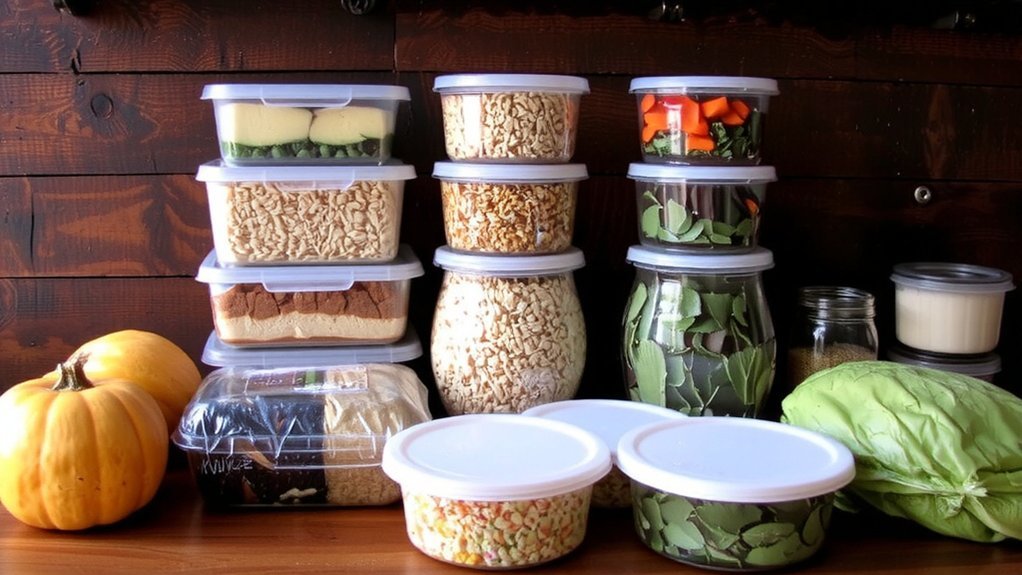
Because seasonal windows are shifting with warmer winters and spotty supply chains, you’ll want to shop with flexibility and a short list of priority swaps for 2025–2026: favor whatever’s locally abundant (think earlier vine tomatoes, extended berry runs in some regions, and late-season roots), lean on frozen or canned fruit and veg when fresh prices spike, and pick store brands or bulk bins for staples.
Check local crop forecasts to time purchases, set price alerts, and use coupon stacking for extra savings. Bring a compact list, prioritize versatile ingredients, and avoid impulse buys.
Quick habits:
- Compare per-unit prices for bulk vs packaged items.
- Buy frozen berries and vegetables when produce is expensive.
- Follow farmer-market updates and adjust weekly menus.
You’ll see steady savings soon.
Simple Dietary Substitutions and Allergy-Friendly Options
You can save money and stay nourished by swapping grains and proteins—try brown rice or quinoa for wheat, and lentils or canned tuna for pricier meats.
If you or someone you cook for has allergies, choose allergen-safe alternatives like oat milk, chickpea pasta, and seed butters.
You’ll get practical, low-cost swaps and tips to keep meals affordable and allergy-friendly.
Grain & Protein Swaps
Many simple swaps let you replace common grains and proteins to fit allergies, budgets, and tastes.
You can keep dishes familiar by matching culinary traditions and flavor profiles when swapping: use barley or farro in stews instead of rice, swap lentils for ground meat in tacos, or choose oats for breakfast instead of wheat.
These swaps save money, reduce waste, and keep texture and umami.
Pick whole grains for satiety and canned or dried legumes for protein on a budget.
Experiment incrementally so you don’t overwhelm a dish.
- Barley/farro for rice in soups and pilafs
- Lentils for ground beef in sauces and tacos
- Oats or quinoa for breakfast porridge or granola
Rotate swaps weekly to keep costs low and meals interesting, varied, and nutritious.
Allergen-Safe Alternatives
How do you keep meals safe and satisfying when allergies limit ingredients? You’ll swap common triggers—dairy, nuts, gluten—with affordable alternatives like oat milk, sunflower seed butter, and chickpea flour, and plan simple recipes around them.
Label reading matters: check ingredient lists, allergy warnings, and Product Recalls before you buy.
At home, separate utensils, clean surfaces, and batch-cook labeled portions to avoid cross-contact.
When Dining Out, call ahead, ask about prep methods, and pick restaurants that understand substitutions.
Use budget-friendly staples—rice, potatoes, canned beans—plus fresh produce to stretch meals. Keep a small list of safe brands, rotate options regularly to avoid boredom, and update your shopping list after any recalls or changes in tolerance.
Carry an epinephrine kit if prescribed and teach household members emergency steps.
Stretching Leftovers and Minimizing Food Waste
Stretching leftovers saves money, reduces waste, and makes weeknight meals easier.
You can turn a roast, stew, or roasted vegetables into multiple dinners by planning portions, repurposing textures, and using a Flavor Remix—think sauces, spices, and new formats.
Label containers with dates, rotate fridge items, and freeze extras to extend shelf life.
Use Compost Tips for vegetable scraps and coffee grounds so you cut trash and nourish a garden.
- Reinvent: make tacos, bowls, soups from one base.
- Pack smart: portion, cool, and store in clear containers.
- Track & plan: note leftovers on your meal calendar.
You’ll save time and money while minimizing food waste.
Rotate staples, shop with a short list, and aim for creative meals rather than letting food expire.
Save more weekly.
Conclusion
You can eat well without overspending by following this 7-day plan and grocery list. Batch-cooking saves time and energy, so you’ll portion meals for easy lunches and snacks. Use staples, seasonal swaps, and store brands to keep costs under $100 while keeping variety. If you have allergies, swap ingredients and check unit prices. Stick to the prep schedule, reuse leftovers, and you’ll waste less food, save money, and feel more in control of your week.