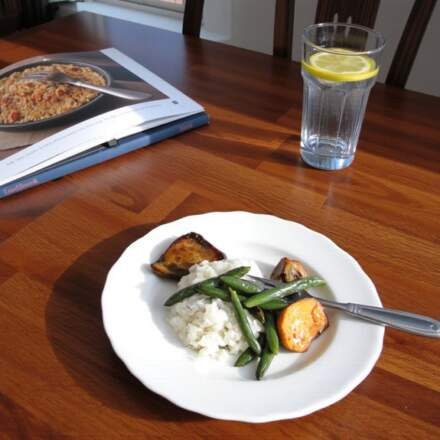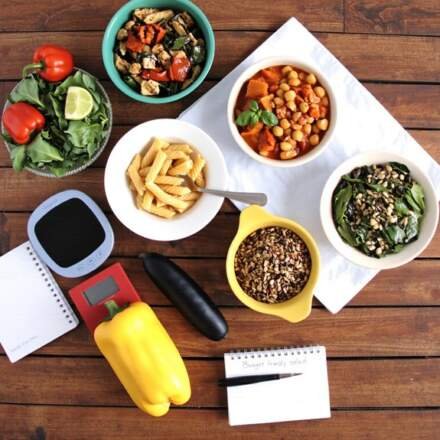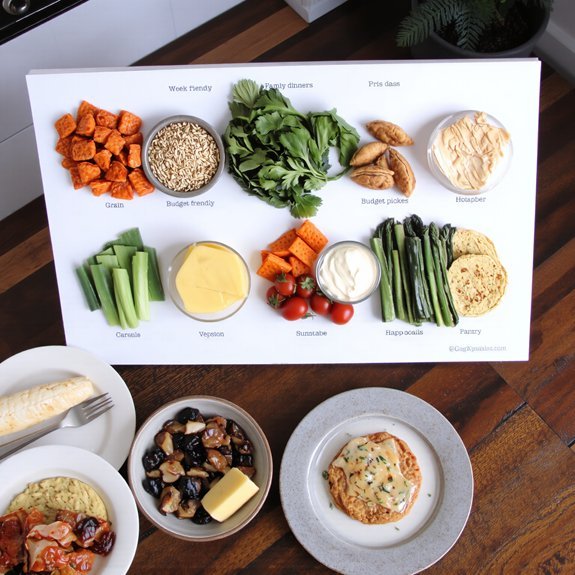
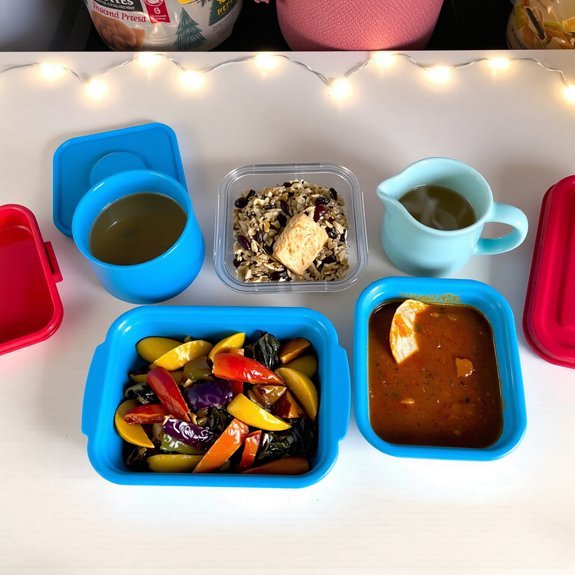

You can eat well in a tiny dorm and stick to a tight budget if you plan smart. Pick versatile staples, master a few microwave tricks, and batch-cook on free days. Use compact storage and simple recipes to save time and money. Keep reading for practical shopping, storage, and meal ideas that actually work…
Key Takeaways
- Keep a short rotation of 2–3 fast recipes to avoid decision fatigue and simplify weekly shopping.
- Stock budget staples: rice, canned beans, pasta, oats, frozen veggies, eggs, and jarred sauces.
- Batch‑cook grains and proteins on free days; portion and freeze single servings for quick reheats.
- Use microwave‑safe mugs, steam bags, and pre‑chopped produce for 10–20 minute breakfasts, lunches, and dinners.
- Plan shopping around sales, compare unit prices, and share bulk buys with roommates to reduce costs.
Smart Meal-Plan Strategies for Busy Students
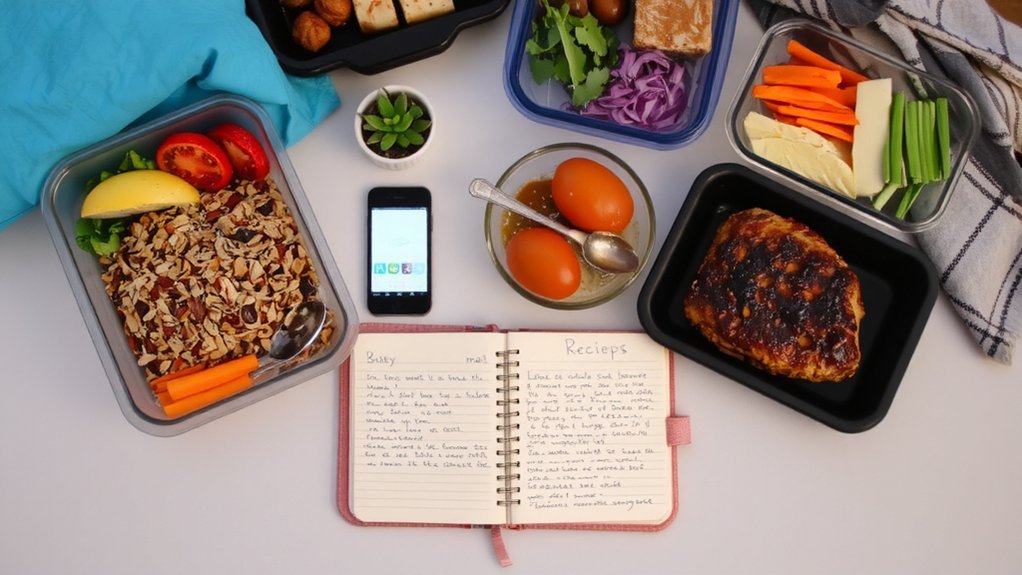
When your schedule gets packed with classes and study sessions, a smart meal plan stops food from becoming an afterthought; prioritize simple, repeatable options, batch-cook on free days, and pick flexible items you can mix and match so you’re never stuck deciding what to eat between commitments.
You’ll save time by time batching: group shopping, prepping, and cooking into a couple blocks so meals’re ready midweek.
Keep recipes short, ingredients few, and tools minimal for dorm kitchens.
Use social cooking—invite roommates to share tasks and split portions—to vary flavors and lower effort.
Label containers with dates, rotate proteins and veggies, and reuse staples across dishes so you get variety without extra planning.
Adjust portions to avoid waste and keep energy up for studies daily.
Budget-Friendly Pantry Staples for Small Spaces
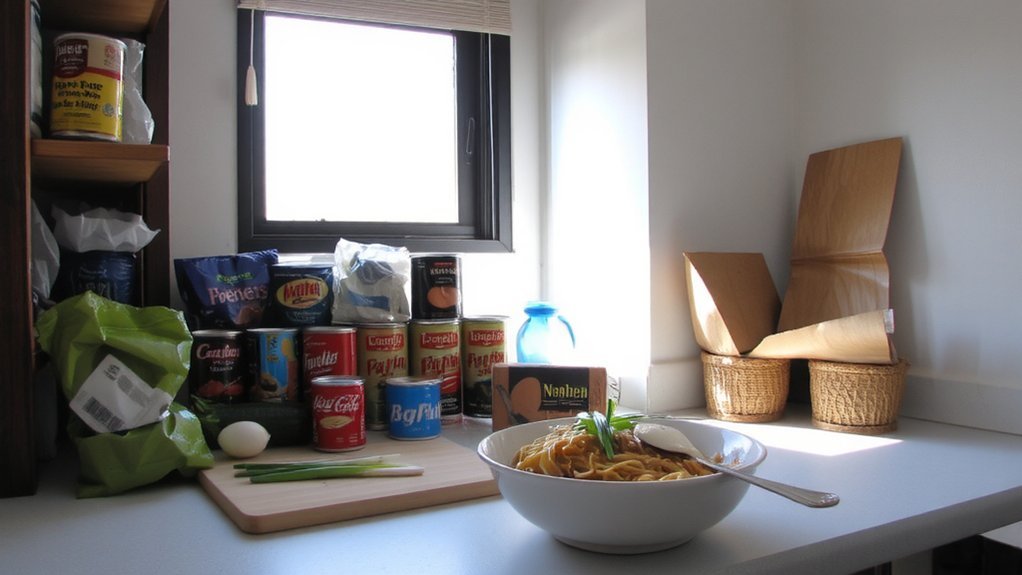
Essentials like rice, beans, canned tomatoes, and pasta give you a lot of meals from a little shelf space.
Stock compact staples that store well in small spaces:
- Oats
- Lentils
- Canned tuna
- Quick-cook grains
Pick versatile oils and a small set of staple spices—salt, pepper, cumin, and chili flakes—to vary meals.
Buy travel-size condiments to save room and avoid waste.
Store dry goods in airtight containers and rotate by date.
Plan meals around what you already have so you won’t buy duplicates.
Use a labeled shelf to track staples and avoid impulse purchases altogether.
Keep a small spice kit and resealable bags for portioning; buying in bulk and sharing with roommates lowers cost and reduces packaging clutter when storage space is limited as needed.
Maximizing a Mini-Fridge and Microwave
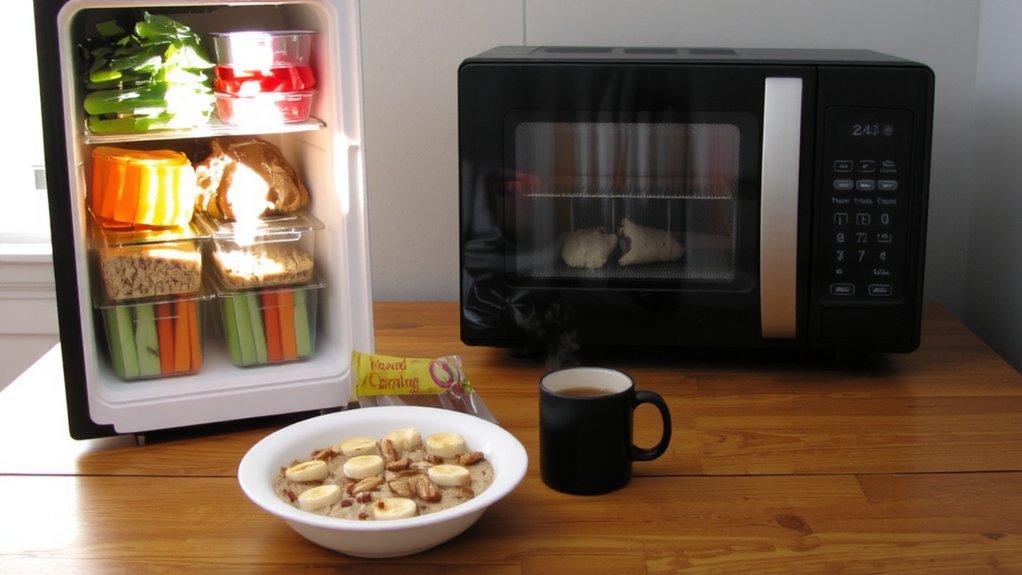
You can stretch limited space with clear bins, stackable containers, and a rotation system so leftovers don’t get lost.
Labeling dates and keeping frequently used items up front means you’ll grab ingredients between classes faster.
Use microwave steam bags, single‑serve containers, and recipes like mug eggs or grain bowls to turn staples into meals in minutes.
Fridge Organization Tricks
In a cramped dorm room, smart organization turns a tiny fridge and a stubborn microwave into a reliable meal hub. You’ll optimize space with Clear Bins and a simple Label System so everything’s visible and grab-ready. Stackable bins separate condiments, dairy, produce, and meal prep containers.
Keep frequently used items at eye level and raw meat on the lowest shelf to prevent leaks. Use slim, airtight containers for leftovers and collapseable bottles to save room. Clean weekly and toss expired food.
- Group similar items together
- Reserve top shelf for drinks and snacks
- Store herbs and greens in breathable bags
- Keep an inventory note on the fridge door
Stick to routines and you’ll avoid waste, save money, and keep your fridge reliable all semester long
Microwave Meal Shortcuts
Maximizing a mini-fridge and microwave means leaning on quick, reliable shortcuts: pre-chop veggies and portion them into microwave-safe containers, cook grains in bulk and freeze single servings, and keep a stash of versatile sauces and condiments to transform leftovers fast. You’ll rely on Container Safety—use glass or labeled microwave-safe plastics—and the Steam Technique for reheating: vent lids and stir halfway. Plan simple bowls: grain, protein, veg, sauce. Store portions to thaw or zap from frozen. The table below lists fast combos and timing.
| Combo | Time | Tip |
|---|---|---|
| Rice + beans | 2-3 min | Vent lid |
| Pasta + veg | 1-2 min | Stir midway |
| Oatmeal + fruit | 1-1.5 min | Use microwave-safe bowl |
Rotate ingredients weekly, label dates, and keep sauces separate to safely extend freshness and flavor daily.
Quick Dorm-Friendly Breakfasts
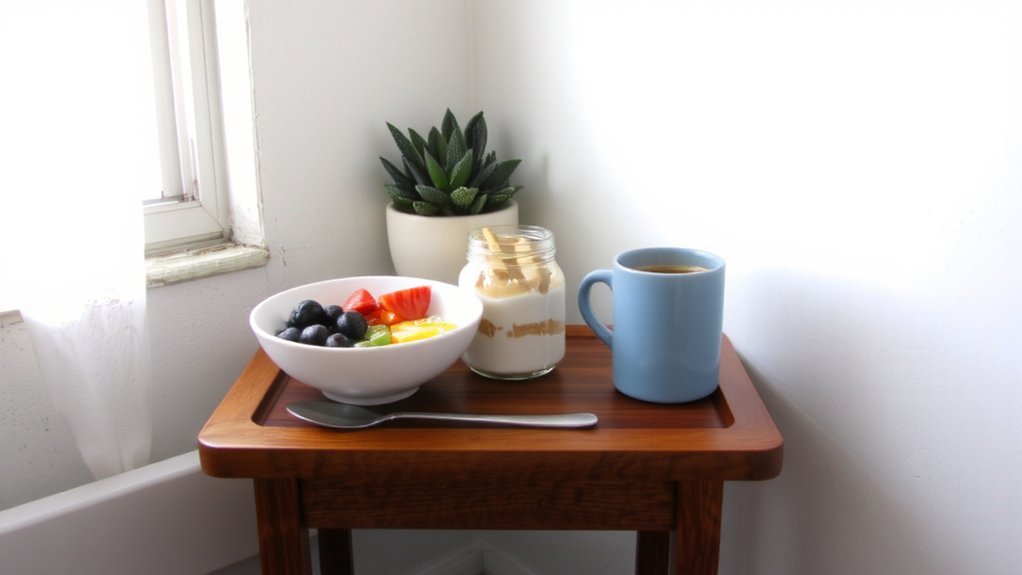
You can whip up a Microwave Egg Mug in minutes for protein-packed mornings.
Prep Overnight Oats Jars ahead and you’ll have grab-and-go fuel that stays fresh in your mini-fridge.
Peanut-butter banana toast gives you quick carbs and healthy fats when you need a fast, satisfying bite.
Microwave Egg Mug
Whisking eggs in a mug lets you make a hot, protein-packed breakfast in about 90 seconds using only a microwave and a fork.
You’ll crack two eggs, add a splash of milk, salt, and pepper, then whisk until smooth.
Try texture experiments by pulsing shorter to keep custardy curds or longer for firmer set.
Use flavor infusions like shredded cheese, salsa, herbs, or diced ham to keep mornings interesting.
Cook in 30-second bursts, stirring between, until set.
- Use a microwave-safe mug
- Don’t overcook; eggs keep cooking after removal
- Prep add-ins the night before
- Clean the mug immediately to avoid stuck residue
This method saves money, time, and dishes.
You can customize portions, make it vegetarian, and freeze cooked muffins for quick reheats later too.
Overnight Oats Jars
If eggs aren’t your morning go-to, overnight oats jars give you a no-cook, grab-and-go breakfast that stays fresh in a dorm fridge.
You’ll combine rolled oats, milk or yogurt, a sweetener, and mix-ins like fruit, nuts, or cocoa right in a jar.
Use mason decorations to label dates, portions, or flavors and make your shelf tidy. Prep several jars at once for the week; chill them overnight and eat cold or warmed briefly in a microwave-safe container.
Try texture experiments—soak longer for creamier oats or add chia seeds for pudding-like body. These jars save time, money, and dishes, and they let you customize nutrition and flavor without fuss or a full kitchen.
Rotate flavors weekly to avoid boredom and stretch your grocery budget easily.
Peanut-Butter Banana Toast
Peanut-butter banana toast gives you a fast, filling breakfast you can assemble in under five minutes. You toast bread, spread peanut butter, slice banana, and add a sprinkle or drizzle for extra flavor.
It’s portable, affordable, and you can customize it to keep mornings interesting. Aim for texture contrast by choosing crunchy peanut butter or adding chia seeds, granola, or a pinch of salt.
Try spread variations like almond butter, sunflower butter, or flavored peanut spreads to suit allergies and budgets.
- Crunchy vs. smooth for bite variety
- Honey or cinnamon for quick flavor boosts
- Seeds or granola for extra crunch
- Swap spreads for allergy-friendly options
Keep ingredients minimal, prep fast, and eat on the go any time, anywhere, no excuses.
Simple Lunches to Pack or Heat
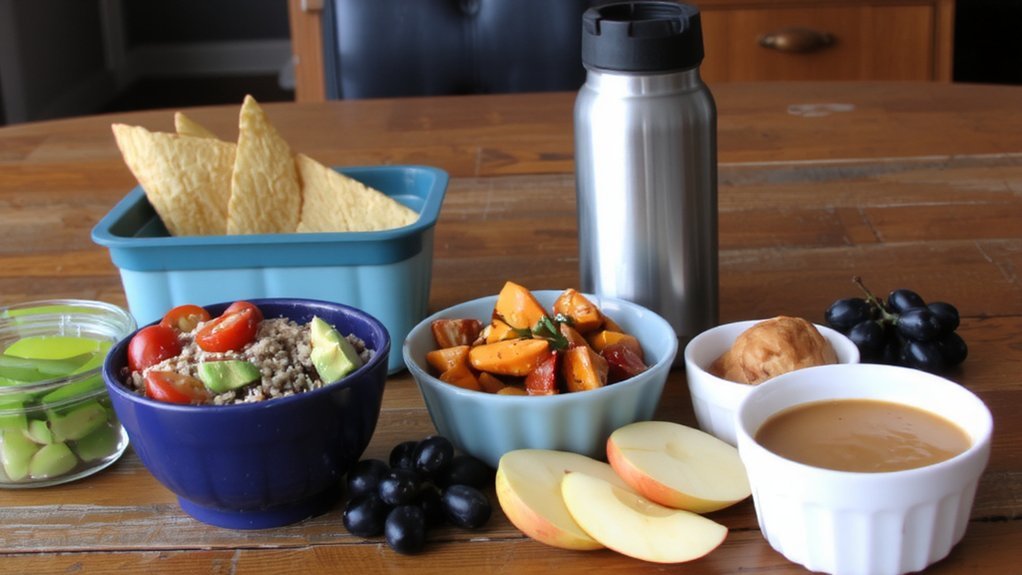
When your day fills up fast, you’ll want lunches that travel well and heat quickly.
Pack pasta salads in portioned containers—add veggies, chickpeas, a splash of vinaigrette, and a protein like tuna or cubed tofu for balance.
Make grain bowls with rice, beans, roasted veggies, and a drizzle of sauce; they reheat in a microwave in a minute.
Sushi bowls give you the sushi vibe without fragile rolls: layer rice, avocado, cucumber, nori flakes, and marinated salmon or tofu.
Keep portable snacks—hard-boiled eggs, carrot sticks, yogurt cups—for energy between classes.
Use reusable containers and ice packs for cold options, and learn simple microwave timing to avoid soggy meals.
You’ll save time and money each week.
No-Fuss Dinner Ideas in Under 20 Minutes
Although your days are busy, you can still get a satisfying dinner on the table in under 20 minutes. Choose quick meals that use few ingredients and one pan or pot.
Try Garlic Shrimp with lemon, garlic, and pre-cooked rice for a protein-rich option. Or make Caprese Pasta by tossing cooked pasta with cherry tomatoes, mozzarella, basil, olive oil, and balsamic.
Keep staples like canned beans, frozen veggies, eggs, and tortillas for flexible bases. Use simple swaps: pre-washed greens, jarred sauce, rotisserie chicken.
Plan two or three fast recipes you know by heart so you won’t overthink after class. These hit flavor and nutrition without fuss every night.
- One-pan Garlic Shrimp and rice
- 10-minute Caprese Pasta
- Veggie stir-fry with eggs
- Tortilla pizzas with cheese
Shopping Tips to Stretch Your Meal Plan Dollars
Often, you can stretch your meal-plan dollars by planning ahead and shopping smarter: make a short list based on a weekly menu, check store flyers and apps for sales, pick store brands or bulk items for staples like rice and beans, and favor frozen or canned produce for out-of-season savings.
When you shop, compare Unit pricing to see which size or brand gives the best value, and stick to your list to avoid impulse buys.
Use Coupon stacking where store policies allow — combine manufacturer and store coupons plus loyalty discounts.
Buy versatile ingredients that work across meals, freeze extras, and rotate sale items into next week’s menu so your meal plan goes further without extra effort.
Track spending weekly to spot savings opportunities quickly regularly.
Adapting Meals for Dietary Needs and Preferences
If you or your roommates have allergies, religious restrictions, or taste preferences, adapt your meal plan around shared staples and easy swaps so everyone eats well without extra hassle.
Start by listing restrictions and favorite Cultural Flavors.
Buy versatile staples—rice, canned beans, eggs, frozen veg—and plan meals that swap proteins or grains.
Use simple Allergy Substitutions like plant milks, gluten-free pasta, or nut-free pesto to avoid cross-contact.
Label containers and set prep zones to keep contamination low.
Communicate weekly, rotate who cooks, and scale recipes so leftovers suit different diets.
Small adjustments save money and maintain variety while keeping meals inclusive.
- List restrictions and preferences
- Share staple ingredients
- Use clear labels and zones
- Rotate cooks and recipes
You’ll eat better together and learn cooking.
Conclusion
You can eat well in a dorm without spending much time or money. Stock versatile staples, use your microwave and mini-fridge smartly, and plan two or three go-to recipes you can batch or mix-and-match. Shop sales, share bulk buys with roommates, and keep meals varied with simple swaps for dietary needs. With a few tools and routines, you’ll save cash, cut stress, and enjoy nutritious, satisfying meals all semester and feel more confident cooking regularly.