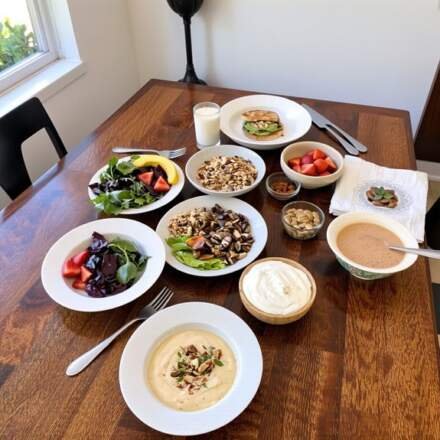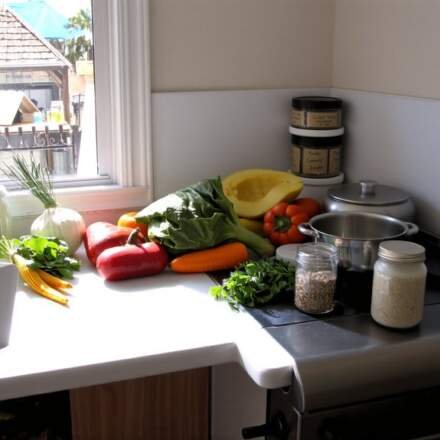

You’ll find a practical Whole30‑approved Paleo weekly menu that makes real-food eating predictable and manageable. It focuses on batch-cooked proteins, roasted vegetables, simple breakfasts and portable snacks so you can save time and stabilize energy. I’ll show swaps, portion cues and grocery lists to simplify prep and keep you compliant…
Key Takeaways
- Weekly Whole30-Paleo menus prioritize whole, unprocessed foods: nutrient-dense proteins, vegetables, fruits, nuts/seeds, and anti-inflammatory fats.
- Use a predictable daily structure: protein-forward breakfast, veggie-forward lunch, balanced dinner, plus one compliant snack.
- Batch-cook two main proteins, roasted vegetables, and make sauces/dressings once weekly to streamline meals and reduce decision fatigue.
- Follow portion cues (palm protein, two fist vegetables, thumb fat), label containers, and store meals 3–4 days or freeze extras.
- Include allergy-friendly swaps (seed butters, cassava/tigernut flours) and pack shelf-stable compliant snacks for travel or busy days.
Why Whole30 and Paleo Work Together
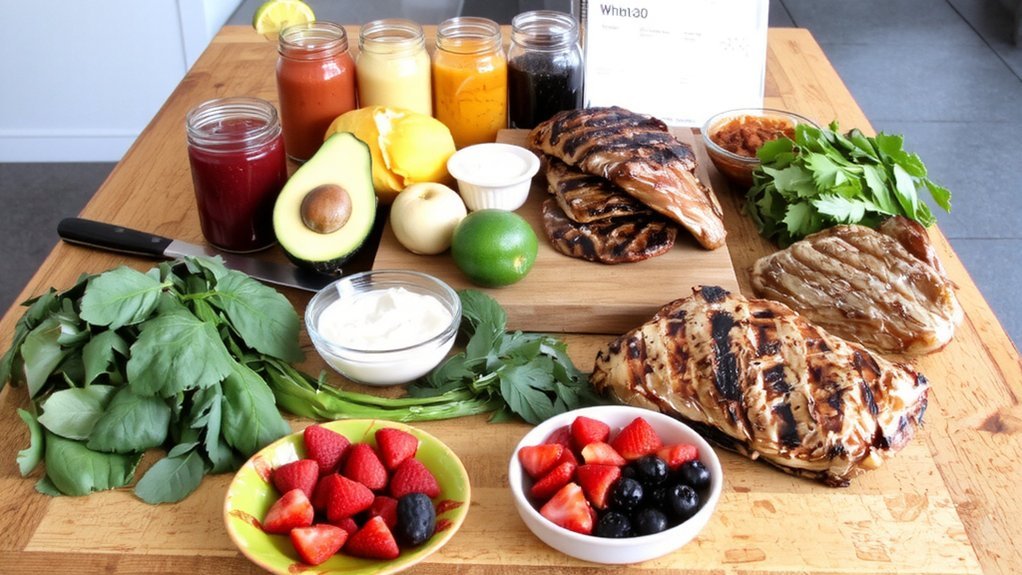
Because they share the same core idea—focus on whole, unprocessed foods—Whole30 and Paleo fit together naturally.
You’ll benefit from Evolutionary alignment that emphasizes nutrient-dense meats, vegetables, fruits, nuts, and seeds while cutting processed ingredients that trigger inflammation.
You’ll also notice better Hormone regulation as stable blood sugar and reduced inflammatory load help leptin, insulin, and cortisol perform normally.
The protocols differ in strictness but both prioritize real food, cooking, and predictable meal patterns, so you can adopt habits that stick.
You’ll get clearer feedback from your body, faster recovery, and improved energy when you remove common irritants.
Use the overlap to simplify choices, focus shopping, and build meals that support long-term health without gimmicks.
You’ll find sustainable results when you commit to consistent changes.
How to Use This Weekly Menu
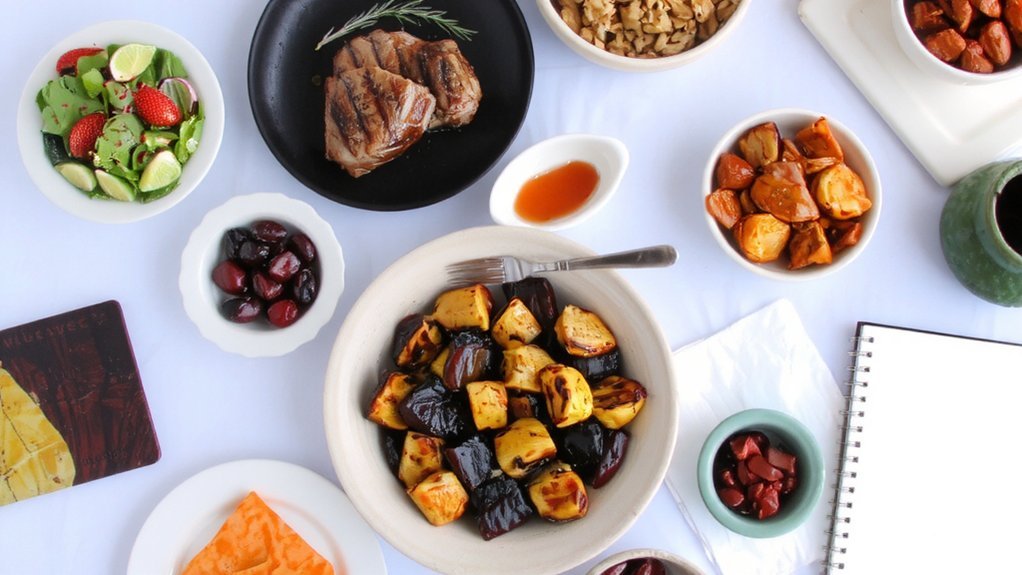
How will you use this weekly menu to make mealtime easier and more consistent? You’ll rely on batch cooking, simple swaps, and a predictable rotation so you spend less time deciding and more time eating.
Use Digital Integration to sync the grocery list and calendar with your phone; set reminders for prep and shopping. Track energy, sleep, and cravings in a single note for quick Progress Tracking and adjustments.
Follow this quick routine:
- Plan one shopping trip.
- Batch-cook two meals.
- Prep snacks and breakfasts.
- Review notes and tweak portions.
Stick to the structure, adjust based on your notes, and repeat. You’ll build consistency quickly while honoring Whole30-friendly Paleo choices and daily goals too.
Meal Plan Overview: Day-by-Day
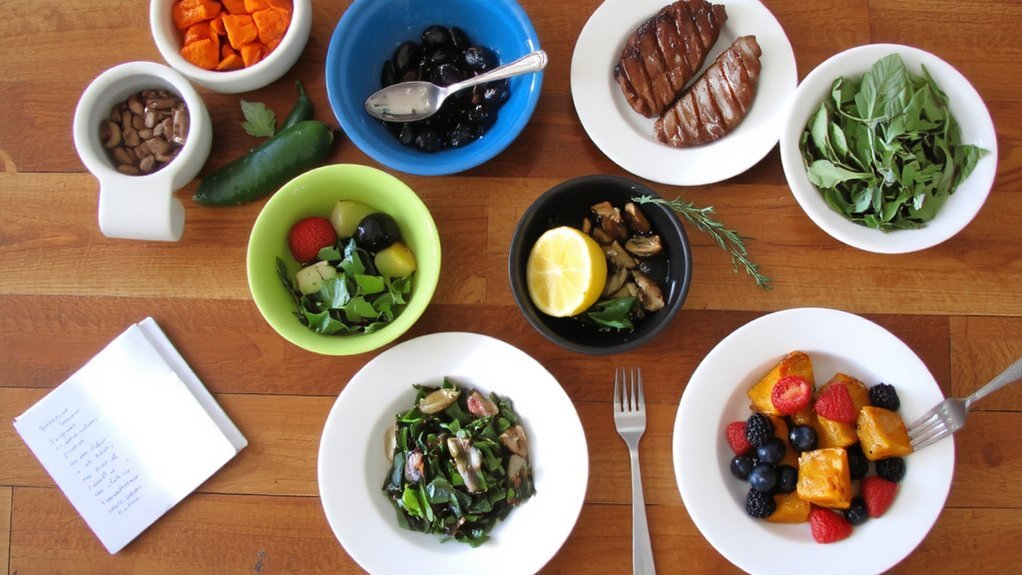
You’ll get a clear daily menu breakdown showing breakfasts, lunches, dinners, and snacks for each day.
You’ll also find simple prep strategies and time-saving swaps to keep the week manageable.
Use those swap tips to tailor meals to your tastes or what’s in your pantry.
Daily Menu Breakdown
Typically, this day-by-day menu lays out three meals and a snack for each day, shows simple swaps and portion guidance, and flags make-ahead tasks so you can shop and prep efficiently.
You’ll get daily goals that emphasize Flavor balancing and Plate aesthetics while keeping Whole30 rules in mind. Each day explains breakfast, lunch, dinner, and a snack with suggested portions, cooking time, and one serving note.
- Breakfast: protein-forward start
- Lunch: veggie-forward bowl
- Dinner: balanced protein + veg
- Snack: compliant fat or fruit
Use the notes to time cooking and combine leftovers into next-day lunches.
You’ll follow clear cues for portion sizes, seasoning, and plating to stay satisfied and compliant. Meals are interchangeable across days so you can adapt the week without breaking Whole30 compliance.
Prep and Swap Tips
Prepping smart saves time and keeps your day-to-day plan flexible: batch-roast a mix of vegetables, hard-boil extra eggs, and portion proteins into grab-and-go containers so you can swap meals without reworking recipes.
Label containers with meal names and reheating notes, and keep a short inventory list on the fridge.
Use Portion Visuals—photo or simple diagrams—to guide serving sizes and avoid overfilling plates.
When shopping, prioritize Seasonal Pairings to maximize flavor and cost: pair roasted root vegetables with winter greens, or summer tomatoes with basil and grilled fish.
For swaps, match protein, starch, and veg categories so you can replace one ingredient without altering seasoning profiles.
Rotate staples weekly to prevent boredom.
Prep snacks ahead and freeze portions to keep compliance and easy swaps daily.
Breakfast Recipes
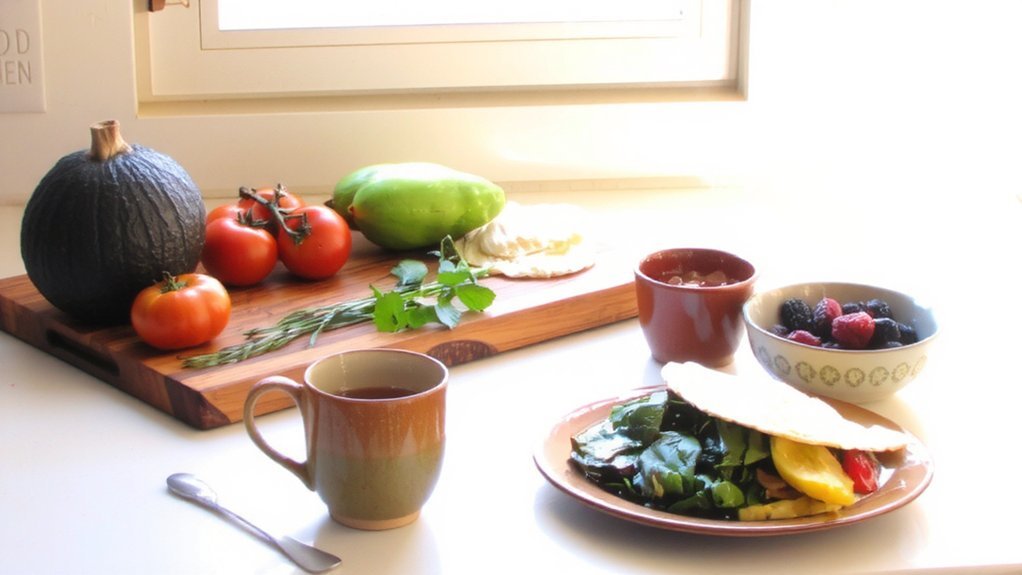
You’ll find quick Whole30 breakfasts that get you out the door without derailing your plan.
I’ll show make-ahead morning options that save time on busy days.
You’ll also get high-protein breakfast ideas to boost energy and curb cravings.
Quick Whole30 Breakfasts
When mornings get busy, Whole30 breakfasts can still be fast, satisfying, and compliant.
You can mix quick protein, vegetables, and healthy fats in under ten minutes using Time saving gadgets, like a handheld chopper or nonstick skillet, and practicing Portion control to avoid overeating.
Aim for simple combos you enjoy.
- Scrambled eggs with spinach and avocado
- Sardines with cucumber and lemon
- Egg-stuffed sweet potato (microwave briefly)
- Quick sautéed mushrooms and sausage
You’ll keep prep minimal: crack eggs, heat fat, and toss in greens.
Use a timer and single-pan methods to cut cleanup.
These breakfasts fit Whole30 rules, fuel your morning, and let you leave the house satisfied without elaborate recipes.
Rotate flavors weekly to prevent boredom and stay consistent easily.
Make-Ahead Morning Options
Batch-cooking breakfasts saves you time and stress: make crustless egg frittatas, chia pudding jars, and roasted-sheet-pan hashes on Sunday, then grab reheatable portions all week.
You’ll portion servings into glass containers so you can see contents, label dates, and stack neatly.
Rotate flavors—herbs, roasted vegetables, and citrus zest—to keep mornings interesting without extra thinking.
Pair prep with outfit planning or playlist scheduling to streamline your routine: decide clothes and a go-to morning playlist while food cools.
Reheat gently in a microwave or oven, or eat chilled where safe.
Pack lunches or snacks from the same sheet pan to reduce waste.
Freeze extras for hectic weeks, thawing overnight in the fridge.
Rotate menus monthly to avoid boredom.
High-Protein Breakfast Ideas
With your make-ahead staples ready, you can focus on high-protein breakfasts that keep you full and fuel your day.
Choose combinations that balance quality protein, healthy fats, and vegetables so you avoid Protein Myths that push extremes.
You’ll restore energy and support metabolic goals without excess.
Consider rotating these simple recipes:
- Veggie omelet with smoked salmon and avocado
- Turkey and spinach egg muffins (make-ahead)
- Sardine salad over mixed greens with lemon
- Beef and sweet potato hash with herbs
Prioritize whole-food proteins to minimize processed ingredients and support stable blood sugar.
You’ll also reduce disruptive Hormone Effects linked to sugar spikes, and feel energized through the morning.
Mix and match these options weekly, and you’ll simplify meal prep while maintaining variety and consistent protein intake.
Lunch Recipes
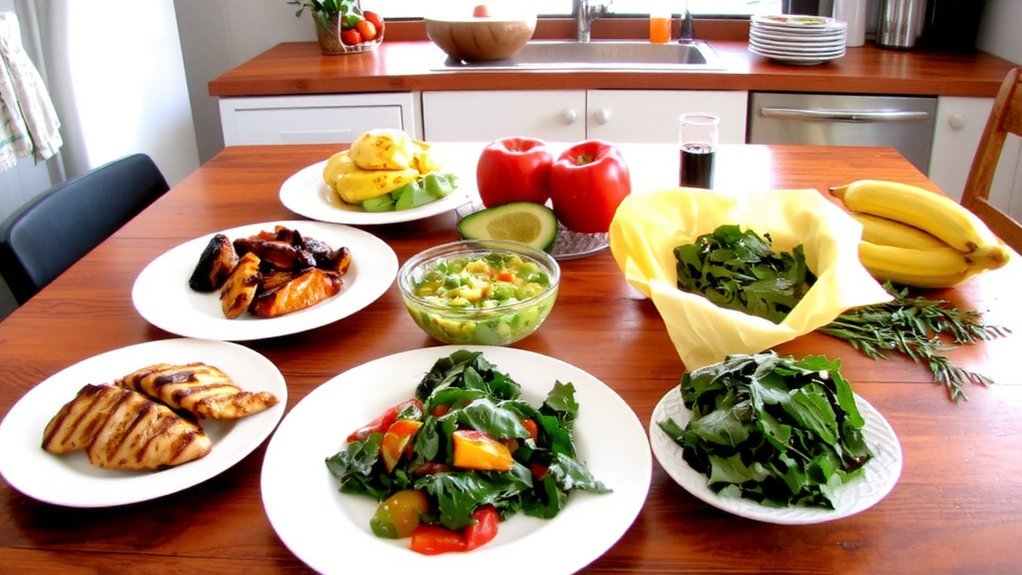
Packing nutrient-dense meals keeps your afternoon energy steady and your cravings in check.
For lunch, choose protein-forward bowls with roasted vegetables, avocado, and herbs so you stay full without processed carbs. Use Zesty dressings, Leafy wraps, or sturdy grain-free flatbreads to vary textures and simplify transport.
Prep components on weekend: sear chicken, roast sweet potatoes, and chop veggies so you can assemble in minutes. Include fermented sides like sauerkraut for gut support and a handful of nuts for crunch.
Keep portions balanced: one palm of protein, two fists of vegetables, and a thumb of healthy fat. When you plan this way, you won’t reach for sugar or convenience foods and you’ll maintain steady focus through the afternoon.
Rotate flavors weekly to keep your meals exciting.
Dinner Recipes
Searing a steak or roasting a tray of vegetables gives you quick, flavorful dinners that fit a paleo plan.
You’ll build weeknight meals around protein, vegetables, and bold seasonings.
Use ethnic inspirations—like Thai basil, Moroccan spice, or Mexican chili—to vary flavors without grains.
Rely on seasonal produce to keep costs down and nutrition high.
Plan simple techniques: pan-sear, grill, braise, or bake to save time and lock in texture.
- Pan-seared salmon with citrus-herb dressing
- Moroccan chicken with olives and preserved lemon
- Stir-fried beef with broccoli and ginger
- Sheet-pan roasted root vegetables with rosemary
Rotate these templates to stay satisfied and Whole30-compliant.
You’ll prep proteins on weekends, batch-cook sauces, and swap vegetables seasonally so dinner stays effortless, varied, and compliant all year without extra stress.
Snacks and Sides
After you cook a weeknight main, round out your meals with snacks and sides that are fast to make, store well, and complement protein-focused plates. Choose roasted vegetables, quick pickles, sliced fruit, or a simple slaw to add texture and brightness. Use Flavor Pairings like citrus with fennel, apple with cabbage, or toasted nuts with roasted cauliflower to lift otherwise straightforward dishes.
Prepare portions in reusable containers so you can grab them between meals and avoid reheating protein-heavy mains repeatedly. For casual entertaining, apply Presentation Tips: arrange varied colors, use small bowls for dips, and stack components for height. Keep seasoning bold but balanced so sides enhance, not overpower, your mains.
Rotate these options weekly to avoid boredom and streamline your dinner routine consistently.
Grocery List and Pantry Staples
You’ll stock your pantry with Whole30-approved staples like ghee, coconut aminos, compliant nut butters, and canned tuna.
Use a weekly grocery checklist to keep fresh produce, proteins, and frozen fruits on rotation so meals stay simple.
Check labels and plan quantities before you shop to avoid non-compliant additives and waste.
Whole30 Approved Staples
Several pantry staples will keep your Whole30 simple and satisfying; stock them now so meals stay fast, flavorful, and compliant.
You’ll also stay current with policy updates, scientific critiques and simple sourcing tips as you shop.
Focus on nutrient-dense proteins, healthy fats, aromatics, and versatile produce so you won’t scramble for compliant options.
Store items with clear labels and expiration dates to avoid accidental noncompliance.
- Grass-fed meats and seafood
- Olive oil, avocado oil, ghee
- Canned tomatoes, compliant broths
- Onions, garlic, lemons, fresh herbs
Keep portions reasonable, rotate refrigerated items, and pick brands you trust so cooking stays easy and on-plan.
Label batch-cooked meals, freeze extras, and create a small spice kit so you can build compliant dinners in minutes.
You’ll save time and stress.
Weekly Grocery Checklist
Use the pantry staples you’ve stocked to build a focused weekly grocery checklist that keeps meals varied, compliant, and budget-friendly.
Start by listing proteins, vegetables, fruits, healthy fats, and simple seasonings; prioritize items that combine across breakfasts, lunches, and dinners.
Use Budget Strategies like bulk buys, frozen alternatives, and a core-ingredient rotation to lower costs while avoiding waste.
Note Seasonal Picks to maximize flavor, nutrition, and value — base menus on what’s abundant locally.
Add pantry refills: olive oil, ghee, canned tomatoes, bone broth, nuts, and compliant condiments.
Finalize a day-by-day shopping column, stick to quantities that match planned recipes, and check staples before you go so you won’t double-buy or miss essentials.
Adjust portions for your household size and track savings each week.
Meal Prep Tips and Batch Cooking
Batch-cooking saves time and keeps your paleo meals consistent and satisfying all week.
You’ll designate a prep day, choose recipes that share ingredients, and portion meals into glass containers.
Prioritize Equipment maintenance, and follow Safety protocols: sanitize surfaces, cool food before refrigerating, and label dates.
- Roast a double tray of veggies.
- Cook bulk proteins: chicken, beef, or fish.
- Make simple sauces/ dressings.
- Pre-wash and chop greens.
Store meals for three to four days, freeze extras, and rotate thawed portions first.
Use clear labels and a checklist to avoid waste.
You’ll save money, reduce decision fatigue, and eat reliably nourishing Whole30-compatible meals all week.
Plan variety so you don’t get bored.
Reassess portions weekly to match your appetite and schedule accurately.
Allergy-Friendly Swaps and Modifications
When you have food allergies, plan clear swaps that preserve paleo textures and flavors: replace tree nuts with seed butters (pumpkin or sunflower) and almond flour with tigernut, cassava, or sunflower-seed flour; swap eggs for chia/flax “eggs,” mashed banana, or cooked squash depending on the recipe; and trade coconut milk or oil for olive, avocado, or macadamia alternatives.
Label meals, note cross-contact risks, and test substitutions in small batches so textures meet expectations.
For kids, create School Substitutes like seed-butter sandwiches and compliant snack packs, plus clear ingredient lists for teachers.
For trips, pack Travel Substitutes such as single-serve seed butter, dehydrated veggies, and shelf-stable protein bars that match your protocol.
You’ll stay safe, satisfied, and flexible without sacrificing flavor or variety on-the-go too.
Conclusion
You’ll leave this Whole30‑approved Paleo plan with practical tools to simplify meals, stabilize energy, and eat real food you actually enjoy. Use the templates, batch‑cooking tips, and pantry list to make weekday feeding predictable; swap ingredients for allergies without losing flavor. Keep portions intuitive, track progress, and tweak recipes to fit your life. Stick with the framework for a sustainable routine that supports reduced inflammation, better energy, and long‑term habits you can maintain daily easily.