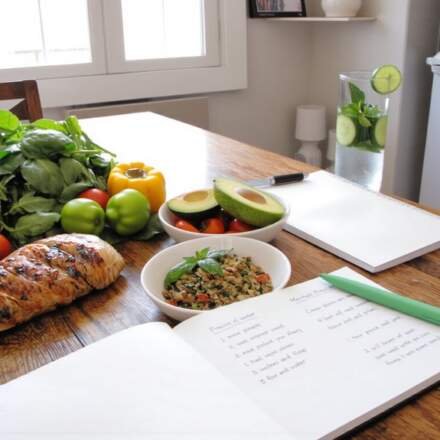
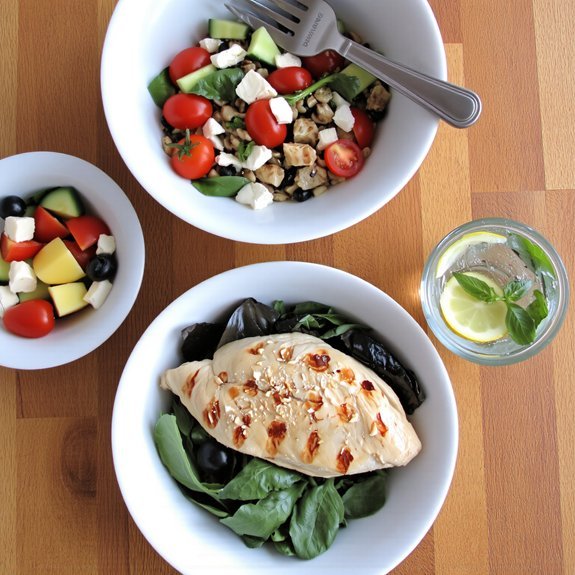

With this Low-Calorie Meal Plan: 1500 Calories Per Day Menu (2025–2026), you’ll get a practical framework that balances lean protein, fiber, whole grains and healthy fats to support steady weight loss while preserving muscle. You’ll find simple templates, swaps and batch-cook strategies that fit a busy week—here’s how to make it work for you…
Key Takeaways
- A 1,500‑calorie plan creates a moderate deficit for steady weight loss while prioritizing protein, fiber, and vegetables to preserve lean mass.
- Typical daily template: breakfast ~350 kcal, lunch ~450–500 kcal, dinner ~500 kcal, plus two 75–100 kcal snacks for balance and satiety.
- Use simple swaps (plant proteins, dairy‑free milks, gluten‑free grains) and repeat favorite meals to maintain variety and adherence.
- Monitor progress weekly, adjust portions for activity level, and prioritize sleep, hydration, and 30 minutes of daily movement.
- Stock pantry staples, batch cook, label meals, and use hand‑size or container portion guides to simplify shopping and food prep.
Why 1500 Calories Works
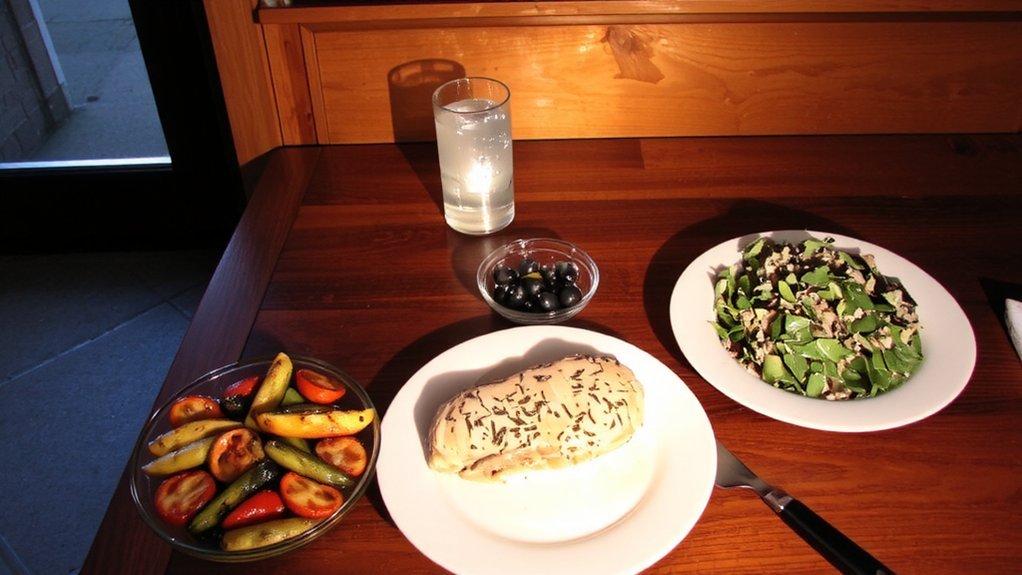
Balance matters: a 1,500-calorie plan creates a manageable calorie deficit for many adults while still allowing enough food to meet nutrient needs. You’ll find this level often reduces body weight steadily without extreme restriction, supporting sustainable habits.
By prioritizing proteins, fiber, and vegetables you’ll preserve lean mass and blunt Metabolic Adaptation that can slow progress. Meal timing and modest portion control help regulate Hunger Hormones so you don’t overeat.
You’ll get adequate micronutrients when choices emphasize whole foods over empty calories, keeping energy and recovery solid. This approach fits varied activity levels with minor adjustments, and it’s simple enough to follow consistently, which matters more than any short-term crash plan.
You can tweak portions or activity to meet individual results without dramatic daily measures.
How to Use This Meal Plan
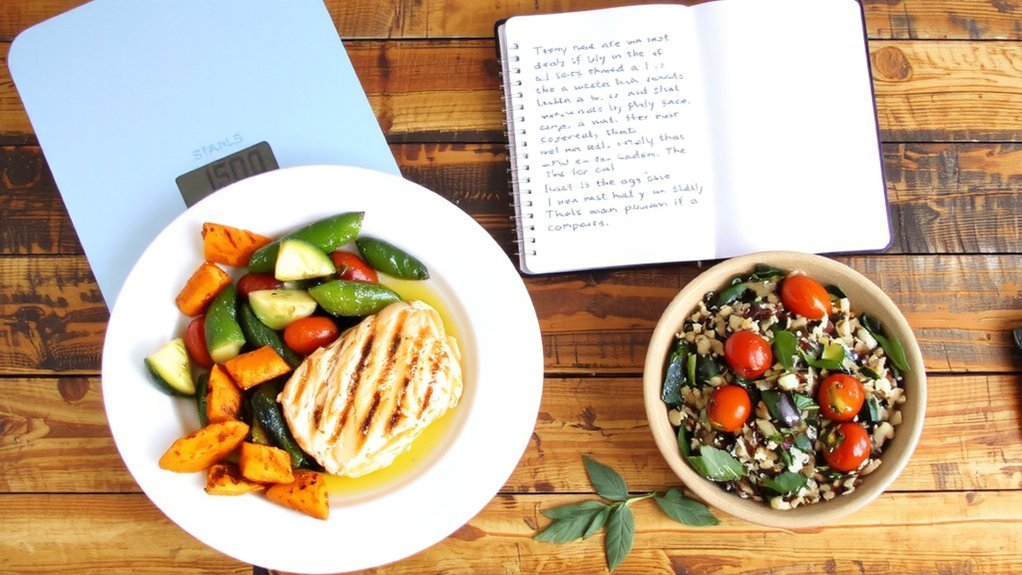
When you use this 1,500‑calorie plan, treat it as a flexible template—stick to portion targets and protein priorities, swap similar foods to fit your tastes, and shift meal timing to match your day. You’ll follow core portions, prioritize lean protein at each meal, and mix vegetables and whole grains. Use simple motivation techniques like tracking wins and setting small goals. Rotate swaps from the table to avoid boredom and support habit formation. Plan grocery trips, prep basics, and adjust snacks as energy demands change.
| Meal | Swap | Tip |
|---|---|---|
| Breakfast | Oats | Prep |
| Lunch | Salad | Protein |
| Snack | Yogurt | Portion |
| Dinner | Stir‑fry | Vegs |
Check progress weekly, tweak calorie distribution if workouts increase, and celebrate small wins to maintain consistency and momentum. Use reminders and habit trackers. Stay adaptable.
Weekly Menu Overview
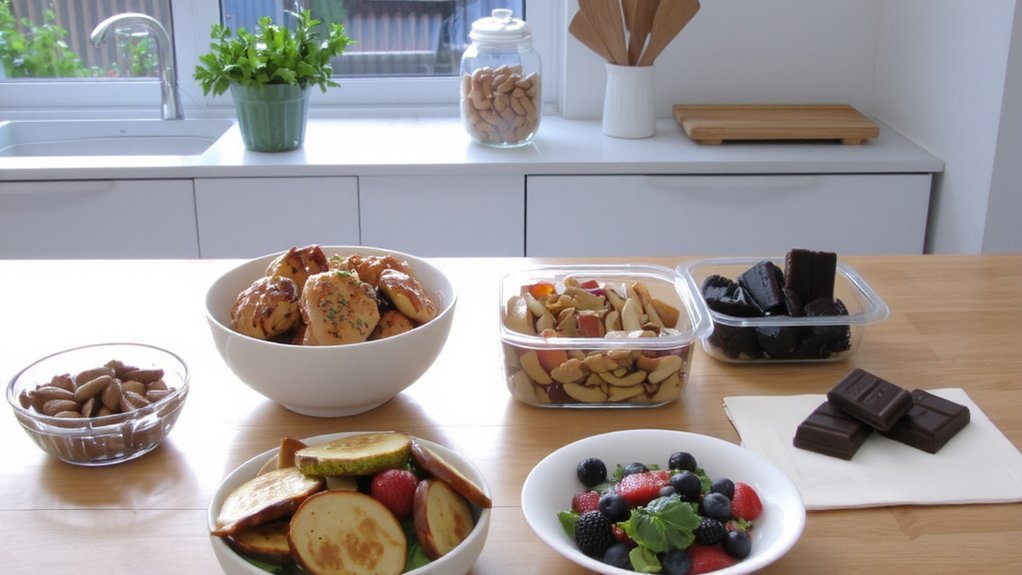
Usually you’ll get a simple weekly grid that maps breakfasts, lunches, dinners, and snacks to stay near 1,500 calories while prioritizing lean protein, vegetables, and whole grains—swap equivalent items, shift meals to fit your schedule, and repeat favorites to simplify shopping and prep.
Use the grid to plan shopping, batch cook, and reduce decision fatigue; color-code meals by prep day and note leftovers for quick nights.
Invite family involvement by assigning simple tasks like chopping, packing, or choosing a veggie side so everyone helps and stays invested.
Sync meals with your digital calendar integration to set reminders, block prep time, and avoid double-booking dinners.
Review and tweak the week based on energy, appetite, and appointments, keeping the plan realistic and sustainable for long-term success.
Daily Meal Templates and Portion Guides
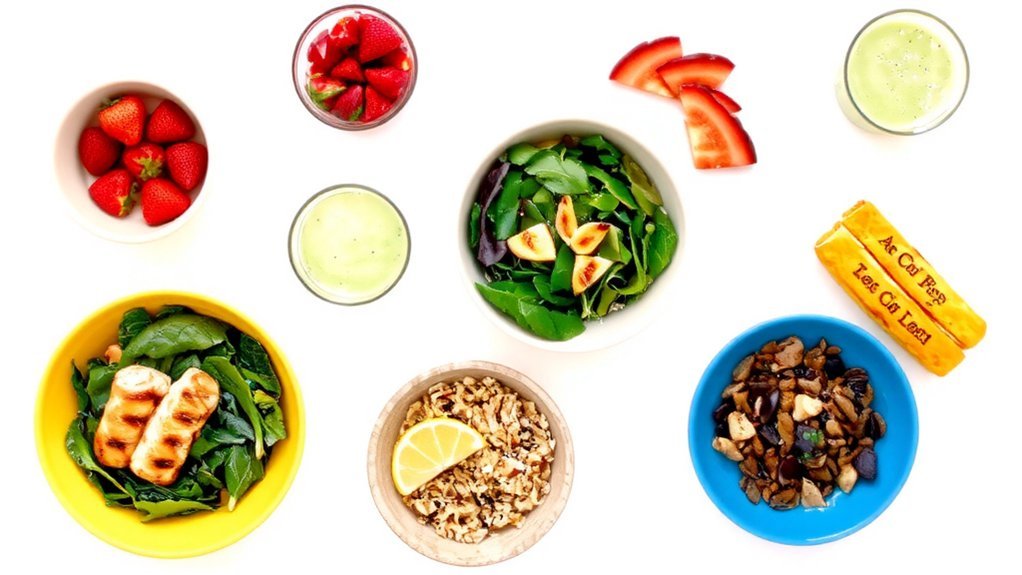
You’ll find sample daily templates that show how to spread calories across meals and snacks.
Use simple portion-size visuals to judge servings without a scale.
Follow these guides to build balanced 1,500-calorie days that fit your routine.
Sample Daily Templates
Each sample day shows how to divide 1,500 calories across three meals and two snacks, with portion guides so you can swap foods without blowing your target. You’ll get clear template accessibility and multiple format options so plans fit your schedule and devices. Templates outline calories, protein, carbs, and fats for each eating window, and they suggest simple swaps. Use them to plan grocery lists, batch cook, or pace snacks. Below is a compact example to grab your attention and model timing.
| Meal | Example |
|---|---|
| Breakfast | Oatmeal, fruit (350 kcal) |
| Lunch | Salad, chicken (500 kcal) |
Now use these templates as starting points — tweak portion sizes, swap proteins and veggies, and track results weekly to support sustainable progress toward your calorie and nutrition goals each week.
Portion Size Visuals
How do you eyeball portions so they match your 1,500‑calorie template? Use simple visuals: plate-divide diagrams, hand-size cues, and scaled containers.
Photograph meals from consistent camera angles to compare portions day to day.
Choose clear illustration styles — minimal icons or real-photo overlays — that show serving sizes for protein, veg, starch, and fats.
Keep a pocket card with examples: palm = protein, cupped hand = carbs, thumb = fats, fist = veg.
When dining out, snap a quick photo and compare it to your reference images. You’ll learn portion patterns and adjust intuitively. Rely on visuals alongside labels; they reinforce your templates and make staying near 1,500 calories practical without weighing every item. Use them until portion judgment becomes fast, accurate, and effortless.
Grocery List and Pantry Staples
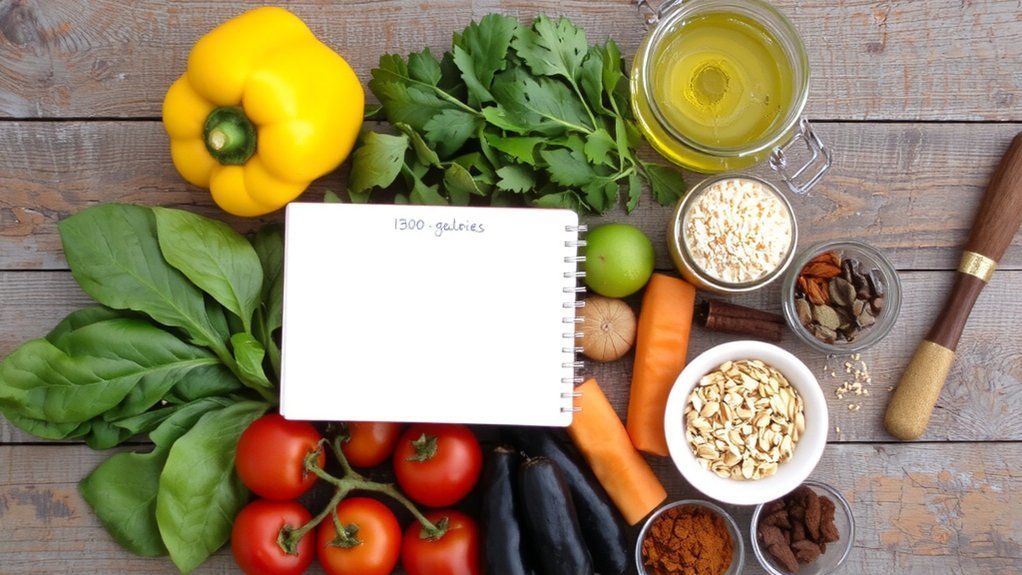
You’ll stock pantry essentials—whole grains, canned beans, healthy oils, and spices—to make the 1500-calorie plan easy to follow.
Keep fresh produce staples like leafy greens, berries, apples, and versatile vegetables on hand for nutrients and flavor.
Choose budget-friendly picks such as frozen vegetables, store-brand items, and bulk grains to stretch your dollars without sacrificing variety.
Pantry Essentials for Meal Plan
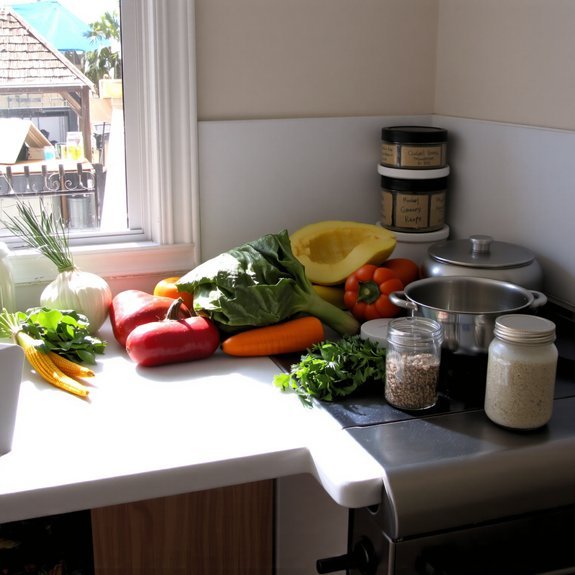
A well-stocked pantry makes sticking to a 1500-calorie meal plan much easier, so focus on versatile, low-calorie staples you can mix and match—whole grains (oats, brown rice, quinoa), canned beans and tomatoes, low-sodium broths, healthy fats (olive oil, nut butters), canned tuna or salmon, spices and dried herbs, shelf-stable milk or milk alternatives, and a few shelf-stable snacks like popcorn and nut mixes.
Keep containers labeled, prioritize spice organization and expiration tracking so ingredients stay usable.
Buy portioned snacks to avoid overeating.
Choose low-sodium, no-sugar-added canned goods.
Store oils and nut butters away from heat.
Keep whole grains in airtight containers.
Rotate stock weekly and plan simple meals around canned proteins and grains.
That way you’ll save time, cut waste, and maintain calorie control.
Fresh Produce Staples
After you stock the pantry, add a tight list of fresh produce to round out meals and keep calories controlled: mixed salad greens, spinach or kale, broccoli or cauliflower, tomatoes, bell peppers, carrots, onions, garlic, mushrooms, zucchini, apples, bananas, and a few citrus fruits for brightness.
Choose versatile items that offer varied nutrition profiles and let you build simple meals: toss greens with grilled protein, steam crucifers, sauté mushrooms with garlic, or roast peppers and zucchini.
Snack on apples or bananas, and use citrus to brighten dressings and marinades.
Plan portions to keep daily calories near 1500, rotate produce for freshness, and pair textures and tastes deliberately—sweet apples with tangy citrus, earthy mushrooms with bright tomatoes—to maximize satisfaction and minimize extra ingredients and variety.
Budget-Friendly Grocery Picks
Several pantry staples will stretch your budget and keep meals simple: dried beans, brown rice, oats, canned tuna, whole-grain pasta, canned tomatoes, frozen vegetables, nut butter, eggs, and a few versatile spices.
Make a grocery list that centers on those items plus seasonal produce and yogurt for protein. Buy in bulk when it saves money, portion and freeze extras, and rotate staples to avoid waste.
Use Loyalty programs and Coupon strategies to lower costs—stack store rewards with manufacturer coupons and digital deals. Shop weekly with a plan, compare unit prices, and choose generic brands you trust.
You’ll save time and calories when your pantry supports simple, balanced 1500-calorie meals. Prep basics on a weekend, label portions, and track staples to prevent impulsive purchases daily.
Simple Recipes and Quick Swaps
Three easy recipes and a few smart swaps will keep your meals satisfying without busting a 1500-calorie target.
You’ll rely on Technique Shortcuts like sheet-pan roasting, one-pot grains, and rapid sautéing to save time and calories.
For breakfasts, try Greek yogurt with berries, chia, and a sprinkle of nuts.
Lunch can be a mason-jar salad with lean protein and a vinegar-based dressing.
Dinner might be salmon with roasted vegetables and a small portion of quinoa.
Use Flavor Pairings—citrus with herbs, spicy with cooling yogurt—to make smaller portions feel indulgent.
Swap mayo for mashed avocado, full-fat cheese for a sprinkle of feta, and sugary drinks for sparkling water with lime.
You’ll still enjoy variety every single day.
Adjusting for Activity Level and Dietary Preferences
Because your activity level and dietary preferences change how much and what kind of fuel you need, you’ll tweak portion sizes and macronutrient ratios while keeping the 1500-calorie framework as your baseline.
Start by evaluating daily movement: sedentary days call for smaller carb portions, active days need extra carbs and protein for recovery. Use activity scaling to adjust breakfast and post-workout snacks, not the whole plan.
Swap ingredients for taste and ethics—plant proteins, dairy-free milks, or gluten-free grains—without exceeding totals. Track swaps with an app to maintain balance.
Note allergy considerations: replace allergens with nutritionally equivalent items and watch for hidden ingredients. Adjust gradually, test how you feel, and refine portions based on energy and hunger, and monitor weight trends weekly for objective feedback.
Tips for Sustainable Weight Management
Focusing on consistency—building small, sustainable habits instead of chasing quick fixes—helps you keep weight off long term. Set realistic goals, track progress, and prioritize mindful eating to enjoy food and prevent overeating. Move regularly with activities you like, and practice sleep optimization to support appetite hormones. Plan meals, hydrate, and include protein and fiber for satiety. Use social support and flexible routines to stay motivated.
| Habit | Action | Benefit |
|---|---|---|
| Portion control | Use smaller plates | Reduce calories |
| Mindful eating | Eat without screens | Improve satisfaction |
| Activity | 30 min daily | Burns calories |
| Sleep | 7–9 hours | Better hunger control |
Adjust plans when progress stalls, celebrate small wins, allow occasional treats, and consult professionals for plateaus or health concerns to maintain safe, long term results. You’ll build lasting habits indeed.
Conclusion
You’ve got a practical, flexible 1,500‑calorie template that helps you lose weight while keeping muscle, energy and enjoyment. Use the daily templates, batch‑cook tips and swaps to fit preferences and activity, track progress weekly, and tweak portions as needed. Stay hydrated, prioritize sleep and lean protein, and choose whole grains, veggies and healthy fats. Do this consistently and you’ll create sustainable habits that let you reach and maintain your goals with confidence and balance daily.