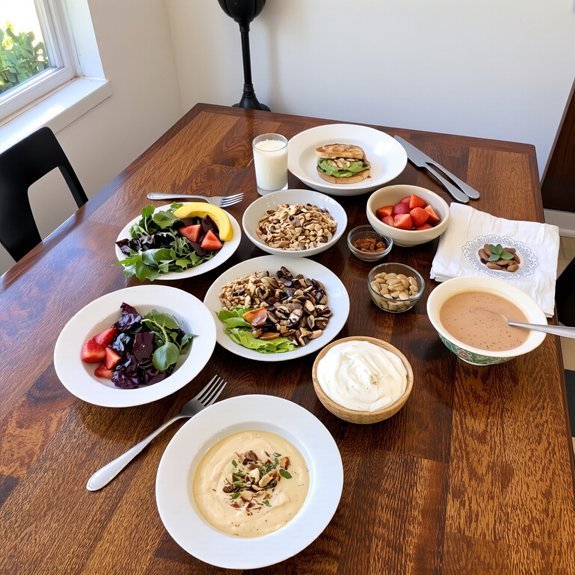

You’re growing a lot more than a baby, and what you eat now shapes energy, mood, and fetal growth. This guide gives trimester-tailored menus, calorie and nutrient targets, allergy-friendly swaps, and easy batch-cook strategies you can actually use. Start with why certain nutrients matter—then plan the week.
Key Takeaways
- Follow trimester-specific calorie increases: +0 kcal in trimester 1, +340 kcal/day in trimester 2, +450 kcal/day in trimester 3.
- Aim for macronutrients of 45–55% carbs, 20–25% protein, and 25–35% healthy fats, spreading intake across meals and snacks.
- Take a prenatal vitamin with folic acid, vitamin D, iodine, and reassess iron/calcium needs with your clinician and blood tests.
- Use small, frequent meals and ginger, plain crackers, or protein+carb snacks to manage nausea, heartburn, and energy dips.
- Prioritize food safety: avoid raw/undercooked proteins, unpasteurized dairy, high‑mercury fish, and prevent cross‑contamination in the kitchen.
Why Nutrition Matters in Pregnancy
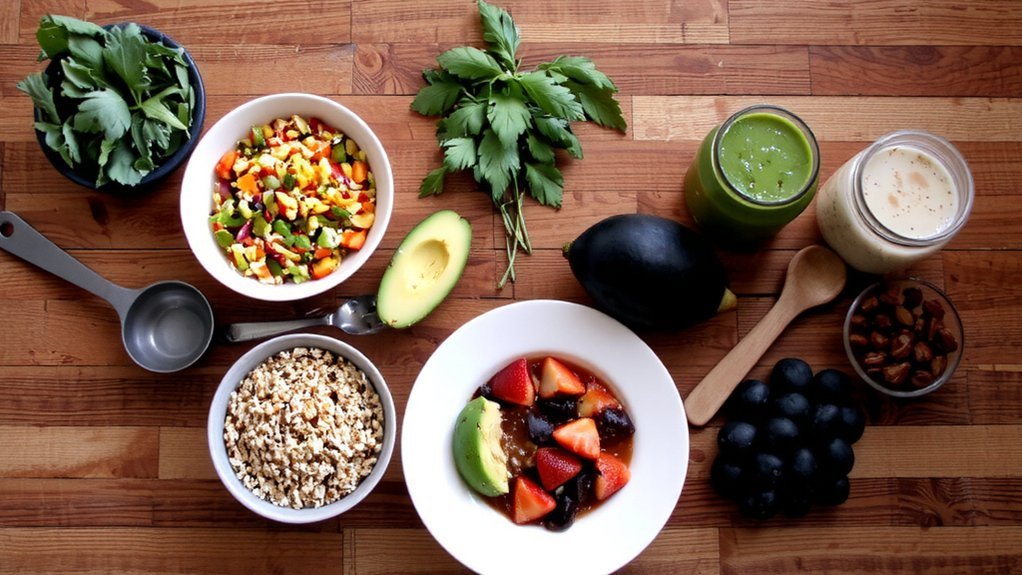
Because your body supports two lives, good nutrition directly affects your baby’s growth and your health. You need steady intake of vitamins, minerals and protein to build fetal tissues, support placental function and preserve your energy.
Proper nutrients strengthen maternal immunity so you resist infections and pass antibodies to the baby. Balanced meals also help hormonal regulation, reducing extremes that cause nausea, fatigue or mood swings.
Eating regularly aids digestion, prevents nutrient gaps and supports healthy weight gain without overconsumption. You’ll feel more energetic, recover better and improve pregnancy outcomes when you prioritize whole foods, varied colors and safe food handling.
Talk with your clinician about supplements and individual needs to tailor choices for your pregnancy. Small adjustments can make a big difference daily.
Calorie and Macronutrient Guidelines by Trimester
Across pregnancy your calorie needs rise gradually—minimal change in trimester one, then about +340 kcal/day in trimester two and +450 kcal/day in trimester three.
You’ll base adjustments on pre-pregnancy weight, activity and changing Basal Metabolism; many providers use these increases as a general guide.
Aim for steady, nutrient-dense gains rather than large single meals.
For Macronutrient Distribution target roughly 45–55% carbs, 20–25% protein and 25–35% healthy fats, with protein needs increasing to support fetal growth.
Spread calories across three meals and 1–2 snacks to manage nausea and energy.
If you’ve got gestational diabetes, obesity or other conditions, personalize targets with your clinician or dietitian.
Monitor weight gain and adjust intake rather than guessing.
Small, frequent meals and balanced snacks help stabilize blood sugar and appetite daily regularly.
Essential Vitamins and Minerals for Expecting Moms
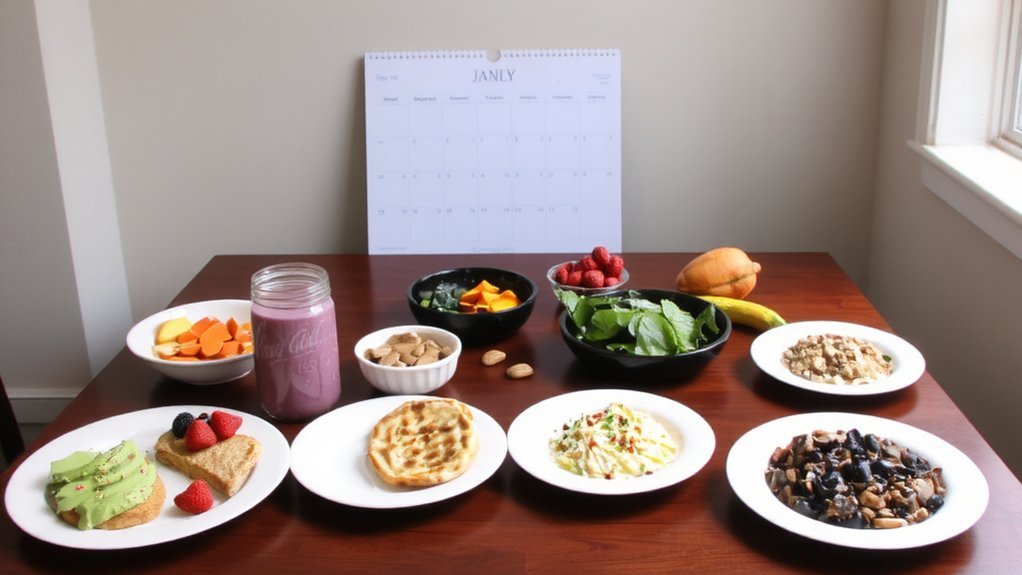
You’ll want to prioritize key prenatal vitamins—especially folic acid for neural development—alongside targeted iron and calcium.
Iron helps prevent anemia and supports placental function, while calcium protects your bone health.
Talk with your provider about the right supplement and food sources to meet these needs.
Key Prenatal Vitamins
Prenatal vitamins act like nutritional insurance, giving you reliable doses of nutrients that support fetal growth and your health.
Check Pill Interactions with any prescription and ask your pharmacist if supplements change absorption.
You’ll want a prenatal that provides vitamin D, B12, vitamin K, vitamin C, iodine, choline and appropriate trace minerals, but avoid excessive preformed vitamin A.
Choose formulations tested for contaminants and look into Insurance Coverage for prenatal supplements or prescriptions—some plans cover prescribed prenatal brands.
Take your vitamin daily with food to improve tolerance and absorption, and tell your provider about all supplements you use.
They’ll help you pick a brand and dose that fits your diet, medical history, and pregnancy stage.
Reassess needs each trimester with your care team regularly.
Iron, Calcium, and Folic Acid
After choosing a prenatal that covers broad nutrients, focus next on iron, calcium, and folic acid—three key nutrients that support your blood volume, the baby’s bone growth, and neural tube development.
Aim for dietary sources: lean red meat, lentils, and spinach for iron; dairy, fortified plant milks, and kale for calcium; and leafy greens, beans, and fortified cereals for folic acid.
Take iron and calcium at different times to improve absorption and avoid medication interactions.
Discuss testing if you have genetic polymorphisms that affect folate metabolism or iron handling; your clinician can adjust doses or suggest methylfolate.
Monitor levels throughout pregnancy, and don’t self-prescribe high doses—too much of these minerals can cause harm.
Ask about interactions with other supplements and chronic-condition medications you take.
Weekly Meal Plan: Sample Menus for Each Trimester
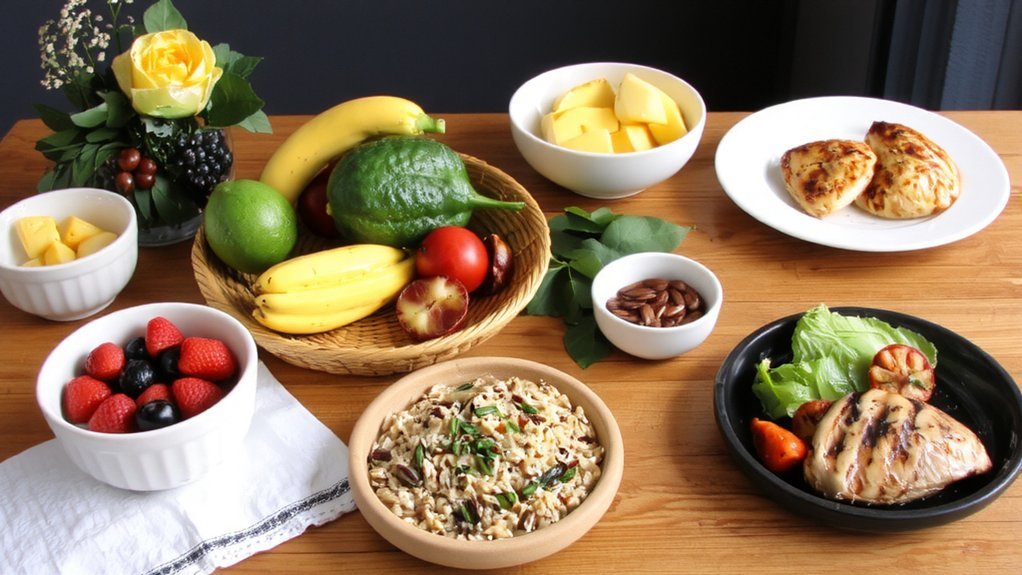
You’ll find sample weekly menus tailored to the first trimester to help manage nausea and meet early nutrient needs.
Then we’ll show second trimester menus focused on steady growth and the extra calories and protein you’ll need.
Finally, third trimester menus emphasize iron, calcium and easy-to-digest meals as you’re preparing for birth.
First Trimester Menus
Although morning sickness can change your appetite, a balanced first-trimester meal plan focuses on gentle, nutrient-dense choices that support early fetal development and keep your energy steady. You’ll prioritize small, frequent meals with protein, iron, folate and vitamin B6: Greek yogurt with fruit and chia, scrambled eggs with spinach, lentil soup, and avocado toast.
Rotate cultural breakfasts like congee or plain dosa to reduce nausea while honoring taste. Sip ginger or lemon water between bites.
Prepare meals with basic kitchen equipment—blender, nonstick pan, steamer—to simplify prep and limit cleanup. Plan snacks: hummus with carrot sticks, nut butter on rice cakes, or a fortified cereal.
Track portions, avoid strong odors that trigger queasiness, and talk to your provider about supplements and rest when you need.
Second Trimester Menus
As your energy returns in the second trimester, plan a weekly menu that builds on first-trimester gentle choices and emphasizes protein, calcium, iron, folate, DHA and fiber.
Focus breakfasts on Greek yogurt with berries, fortified cereal or oatmeal with flax for DHA and fiber.
Pack lunches with lean protein, dark leafy salads, quinoa or lentils for iron and folate; add citrus to enhance absorption.
Snack on nuts, cheese, and fruit.
Dinners should include fatty fish twice weekly, beans, fortified dairy, and colorful vegetables—use flavor shifts like mild to bolder herbs as you’ll tolerate tastes.
Rotate seasonal produce to keep meals appealing and nutrient-rich.
Prep balanced portions, stay hydrated, and consult your provider about supplements and portion needs.
Track symptoms and adjust meals for comfort.
Third Trimester Menus
In the third trimester, your calorie and nutrient needs rise to support rapid fetal growth and prep your body for labor, so you’ll nudge meals toward slightly larger portions and more frequent snacks.
Prioritize iron, calcium, protein, fiber and healthy fats: lean red meat or lentils with leafy greens, dairy or fortified plant milks, avocado toast and nuts.
Build labor friendly meals that include steady carb sources, adequate hydration and magnesium-rich options like bananas and spinach to help muscle function.
Keep comfort focused menus for nausea, heartburn and sleep disruption—small warm stews, baked fish, mashed sweet potato and gentle herbal teas.
Plan portable snacks, easy-prep dinners and regular antenatal supplement timing to meet increased needs and support labor readiness and maternal postpartum prep planning.
Snack Ideas for Nausea, Heartburn, and Cravings
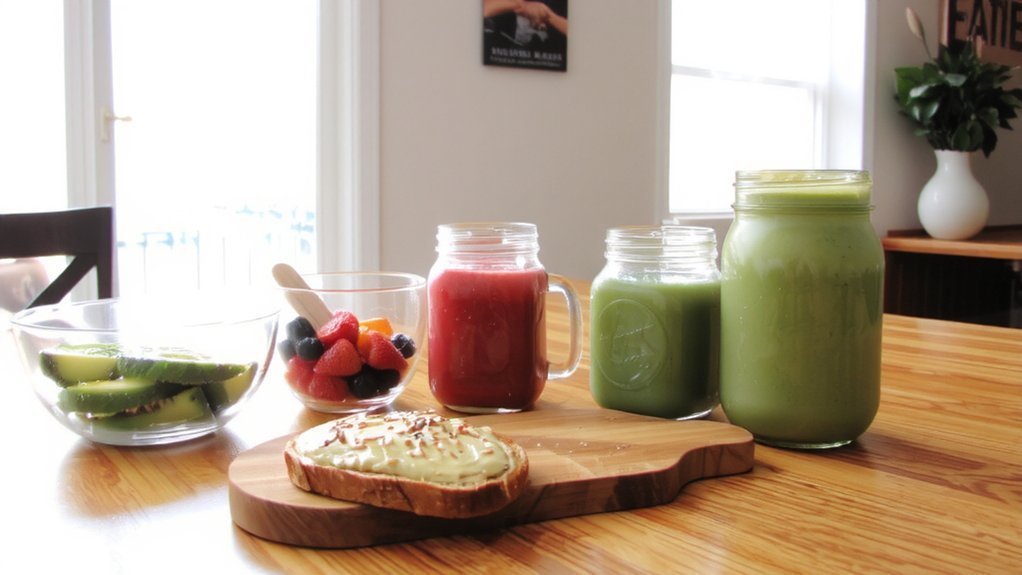
When nausea hits, reach for bland, easy-to-digest snacks like plain crackers, dry toast, or rice cakes to settle your stomach; for heartburn, choose low-acid, non-spicy options such as bananas, applesauce, or yogurt, and for cravings try portion-controlled treats—dark chocolate, fruit with nut butter, or a small smoothie—to satisfy you without overdoing it.
Keep small portions handy: a handful of almonds, cottage cheese with berries, or carrot sticks. Sip ginger tea or nibble ginger bites for queasy moments.
For reflux after meals, avoid lying down and snack on chilled cucumbers or a banana. If you crave salty snacks, swap chips for air-popped popcorn.
Track triggers and adjust timing: small, frequent snacks often help nausea and stabilize energy without aggravating heartburn and improve overall pregnancy comfort.
Food Safety, Safe Cooking, and Foods to Avoid
While smart snacking can ease nausea and cravings, you also need to keep food safety front of mind to protect you and your baby.
Cook proteins to safe temperatures, avoid raw or undercooked meats, seafood, sushi, and raw eggs.
Skip unpasteurized milk and soft cheeses, and limit high‑mercury fish; choose low‑mercury options twice weekly.
Prevent Cross Contamination by using separate cutting boards and washing hands, utensils, and surfaces after handling raw foods.
Chill perishable items promptly and follow safe Thawing Methods—refrigerator thawing is best, cold‑water changes or microwave thawing only if you’ll cook immediately.
Reheat leftovers to steaming hot, discard food left over two hours at room temperature, and avoid deli salads or buffets with uncertain holding temperatures.
If in doubt, choose cooked meals.
Allergy-Friendly, Vegetarian, and Plant-Based Substitutions
If you avoid dairy, eggs, shellfish, or animal products, you’ll still meet pregnancy needs by choosing targeted swaps and fortified options.
Focus on iron, calcium, B12, DHA and protein: opt for fortified plant milks, nutritional yeast, canned light tuna alternatives like algae oil supplements, and legumes paired with vitamin C–rich fruit to boost absorption.
Use Cultural Swaps such as miso soups, tempeh stir-fries, or lentil dals to vary nutrients and flavor.
For texture and satiety, try Texture Tricks — mashed silken tofu, creamy avocado, or blended beans — to replace creaminess and binders in recipes.
Check labels for fortified products, and coordinate supplements with your provider to cover gaps safely during pregnancy.
Monitor symptoms and adjust foods with guidance to keep you and baby thriving consistently.
Meal-Prep Strategies, Batch Cooking, and Grocery Lists
After choosing allergy-friendly swaps and fortified staples, planning meals and grocery lists helps you save time and keep nutrient needs on track.
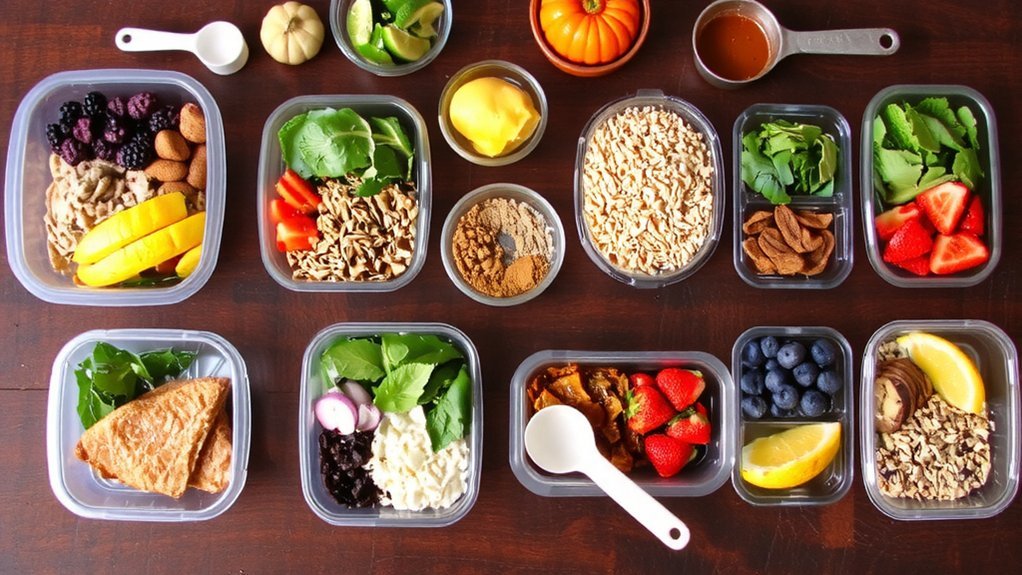
You’ll batch-cook proteins, grains, and veggies once or twice weekly.
Use a clear Labeling System and practice smart Freezer Organization to rotate stock.
Portion for single meals to avoid overcooking and support balanced intakes.
Freeze sauces and cooked beans in measured portions for fast nutrient-dense meals. Keep labels legible and use waterproof markers.
- Batch-cook staples and portion for a week.
- Label containers with date, contents, reheating notes.
- Group meals in freezer bins by breakfast, lunch, dinner.
- Build grocery lists from recipe clusters and inventory.
Keep a running inventory, prep snack packs, and you’ll feel calmer, organized, and nourished through each pregnancy stage.
Conclusion
You’ve got a practical, trimester‑tailored plan that balances calories, protein, iron, folate, calcium, DHA, fiber, and healthy fats while offering nausea‑friendly snacks, low‑mercury fish options, and allergy‑friendly swaps. Use batch prep, grocery lists, and simple storage tips to save time, and coordinate supplements with your provider. Follow food‑safety guidance and avoid risky items. Trust your body, adapt the menus to your tastes and needs, and enjoy nourishing yourself and your baby every day joyfully shared.