
You’ll get a research-grounded, practical 7-day menu that focuses on whole foods, steady blood sugar, and gut-friendly choices. Each day pairs simple breakfasts, balanced lunches and dinners, fiber-rich snacks, and swaps for common diets. Follow the prep plan and you’ll see clearer digestion, steadier energy, and how to keep results after day seven.
Key Takeaways
- A 7‑day reset emphasizes whole foods, consistent meals, hydration, and sleep to support liver, gut, and energy regulation — not quick-fix cleanses.
- Daily structure: protein + fiber + healthy fats each meal, morning hydration, and consistent timing to steady blood sugar and reduce inflammation.
- Sample meals: green smoothies or overnight oats for breakfast; quinoa bowls, grilled salmon or lentil stew for lunch/dinner; simple snacks like Greek yogurt.
- Stock staples: leafy greens, cruciferous veggies, beans, whole grains, nuts, seeds, olive oil, fermented foods; swap plant proteins or gluten-free grains as needed.
- Practical tactics: prep components twice weekly, portion meals, sip mineral-rich water early, favor herbal teas and bone broth, and avoid excessive caffeine or alcohol.
How the 7-Day Reset Works
How does the 7-Day Reset actually work? You focus on short-term habits that support your liver, gut, and energy regulation rather than chasing cleanse hype.
The plan emphasizes whole foods, consistent timing, hydration, and sleep to influence metabolic mechanisms that control blood sugar, inflammation, and toxin processing.
You lower processed foods and alcohol to reduce load on detox organs while keeping nutrients to sustain energy.
You won’t rely on unproven pills or extreme fasting; the Reset confronts detox myths by prioritizing evidence-based steps that enhance natural clearance and repair.
Over seven days you reset appetite cues, improve digestion, and rebuild routines that make healthier choices easier after the program ends.
You’ll notice modest weight shifts and clearer focus, but not dramatic quick fixes, though.
Daily Meal Plans and Recipes
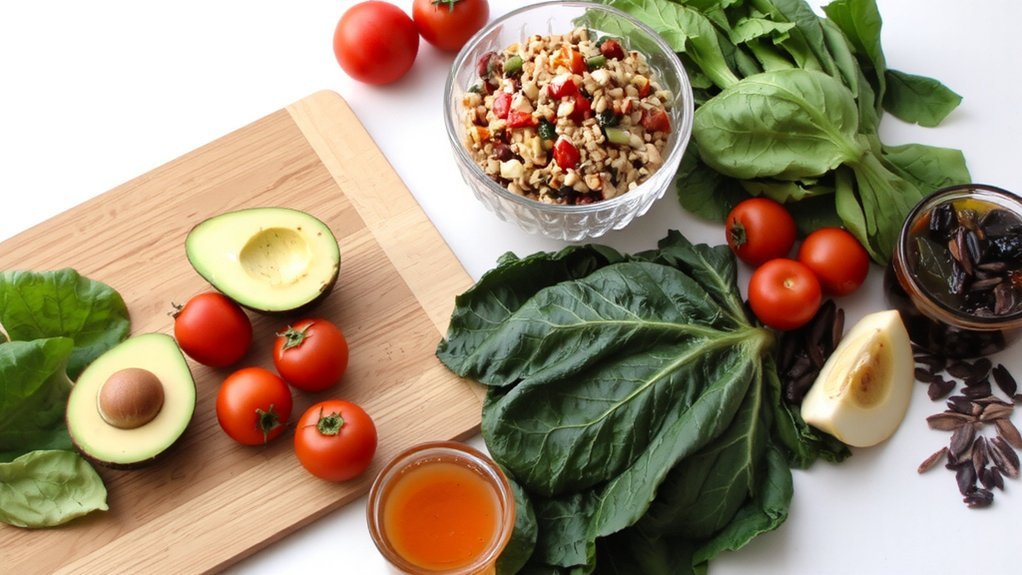
You’ll get simple breakfast options to kick-start your detox and balanced lunch and dinner ideas to keep you satisfied.
Quick snacks and nutrient-packed smoothies provide energy between meals.
Use these plans to mix and match throughout the week and stay on track.
Daily Breakfast Options
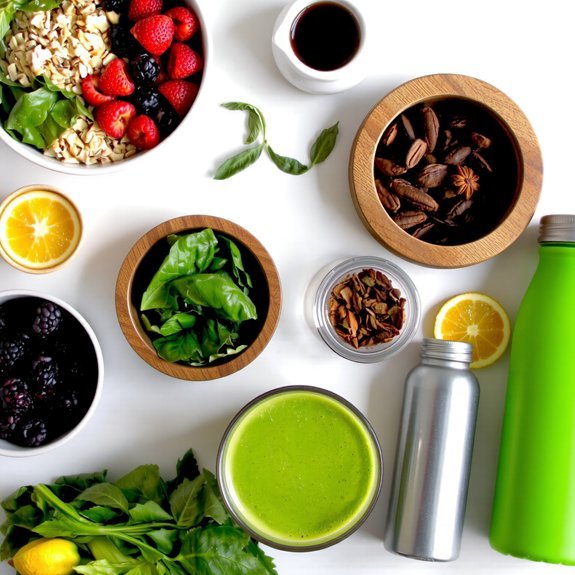
Several simple, nutrient-dense breakfasts will kickstart your detox each morning: think green smoothies, overnight oats with chia and berries, and savory egg-and-vegetable scrambles that you can customize to taste and time constraints.
Establish Morning rituals like hydrating with lemon water, a short stretch, and a small protein portion to steady blood sugar.
Rotate options—smoothie bowls with spinach, avocado, and plant protein; chia pudding topped with berries and walnuts; whole-grain toast with mashed avocado and a poached egg—to prevent boredom.
Pay attention to Satiety cues so you eat enough to fuel activity but not overconsume.
Prep components night before to save time.
Aim for balanced breakfasts combining fiber, protein, and healthy fats for sustained energy and gentle detox support.
You’ll feel clearer and more energized.
Lunch and Dinner Ideas
After a nourishing breakfast, plan lunches and dinners that keep detox momentum—build plates around colorful vegetables, lean proteins or plant-based alternatives, whole grains, and healthy fats so you stay satisfied and steady.
For lunch, choose Seasonal Bowls with roasted vegetables, quinoa, leafy greens, and a lemon-tahini dressing; they’ll be vibrant and simple to prep.
For dinner, scale recipes to Family Portions so leftovers fuel busy evenings.
Rotate grilled fish, tofu, or lentil stew with steamed greens and brown rice.
Use herbs, citrus, and light broths for flavor without excess sodium.
Here are four go-to meals you can cycle through while resetting your habits:
- Roasted vegetable quinoa bowl, tahini
- Grilled salmon, steamed broccoli, farro
- Lentil stew, kale, whole-grain bread
- Tofu stir-fry, brown rice, mixed peppers
Snacks and Smoothies
Choosing nutrient-dense snacks and smoothies keeps your energy steady between meals and supports detox goals; aim for fiber, protein, and healthy fats to curb cravings and aid digestion.
Choose simple snacks: Greek yogurt with berries, hummus with veggie sticks, or mixed nuts and chia.
For smoothies, blend leafy greens, a frozen banana, protein powder, and a tablespoon of flaxseed for satiation.
Use Flavor pairing—citrus with greens, ginger with pear—to brighten profiles without sugar.
Prep portions to prevent overeating and store in reusable containers to cut Packaging waste.
Rotate ingredients weekly to maintain nutrients and avoid palate fatigue.
Track how snacks affect your hunger and digestion, then you’ll adjust portions, textures, and timing accordingly.
Snack mindfully, savor each bite, and sip slowly to maximize results.
Grocery List and Pantry Staples
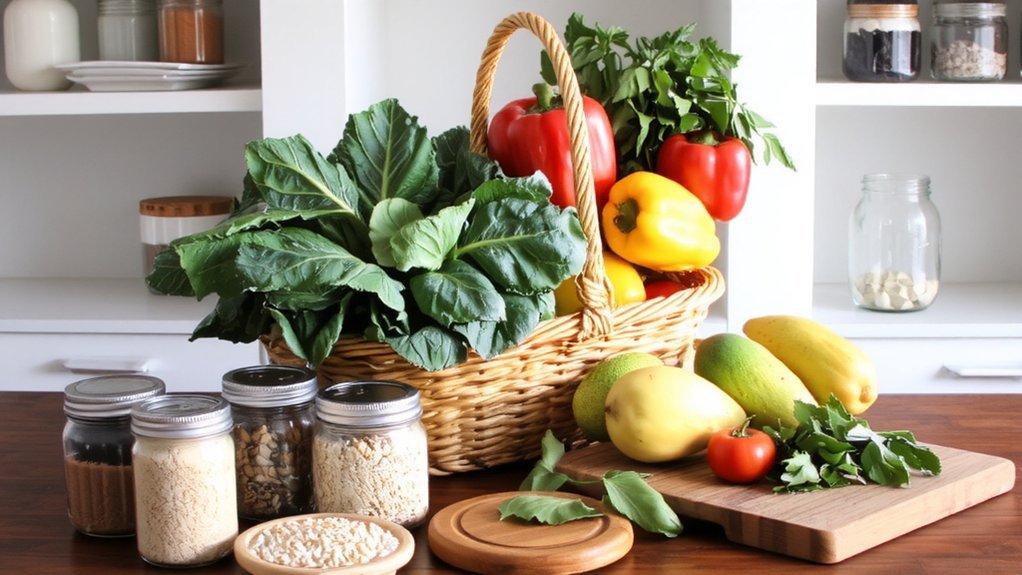
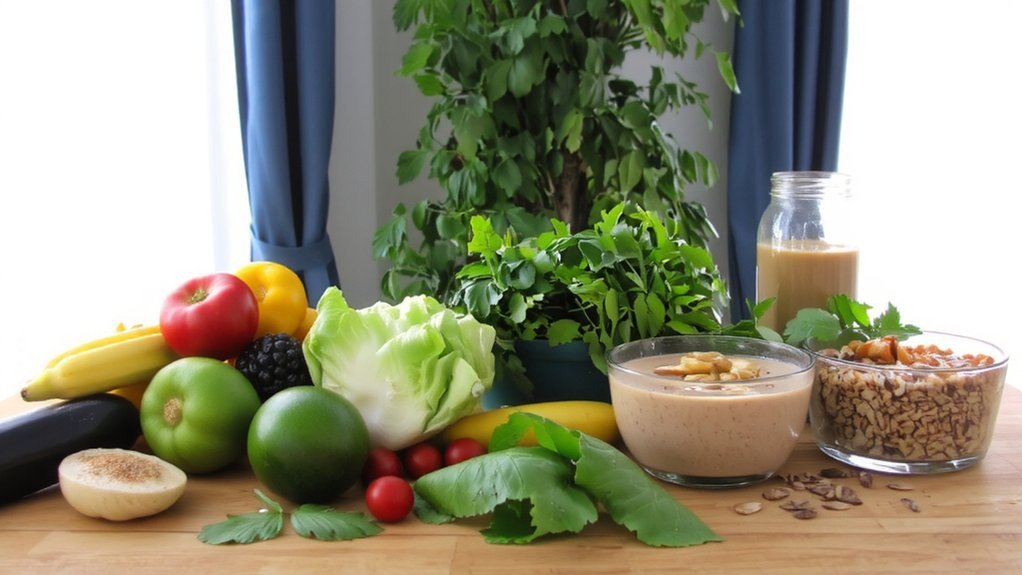
Stock your pantry and fridge with versatile, nutrient-dense staples so you’ll have what you need for every detox meal: plenty of leafy greens, cruciferous veggies, berries and citrus, lean proteins or legumes, whole grains like quinoa and oats, and healthy fats such as olive oil, avocado, nuts and seeds.
Prioritize sustainable packaging, and practice label literacy so you choose low-sodium, no-added-sugar options.
Keep staples organized, rotate perishables, and buy frozen produce for convenience.
Build a basic grocery list to cover breakfasts, lunches, dinners, and snacks; adjust quantities to your week.
- Fresh produce: spinach, broccoli, berries, lemons.
- Proteins: canned beans, tofu, wild fish, eggs.
- Grains & seeds: oats, quinoa, brown rice, chia.
- Pantry essentials: olive oil, nuts, spices, apple cider vinegar.
Swap Options for Common Diets
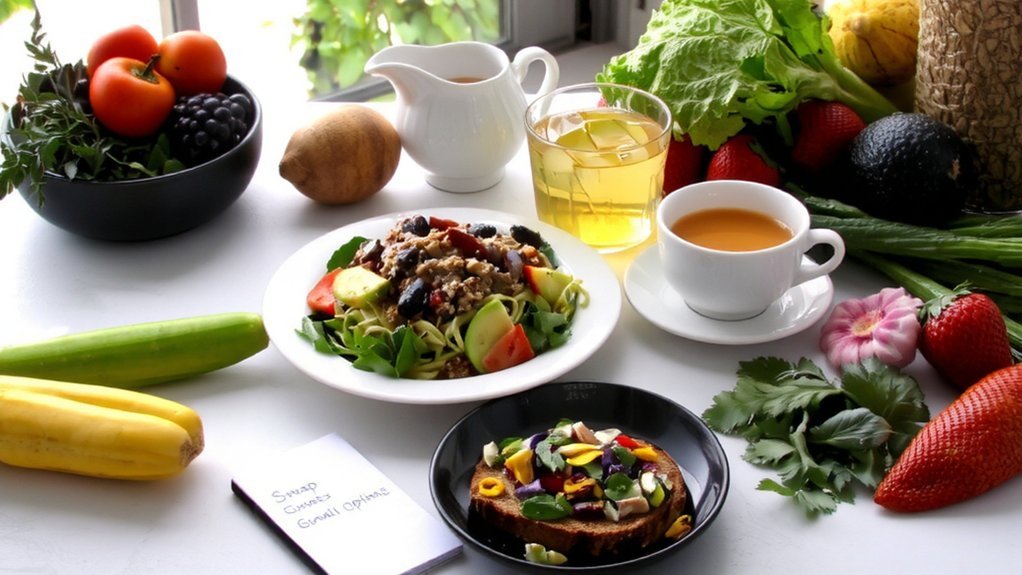
You’ll find easy swaps to keep your detox meals aligned with different diets. For plant-based protein swaps, use tempeh, tofu, or edamame.
Swap wheat for quinoa or brown rice for gluten-free grains, and choose garlic‑infused oil, green onion tops, or canned, rinsed lentils for low‑FODMAP ingredient swaps.
Plant-Based Protein Swaps
Swapping animal proteins for plant-based alternatives keeps meals satisfying while letting you tailor swaps to common diets—gluten‑free, soy‑free, low‑FODMAP, keto, and whole‑food plans.
You’ll balance Protein Bioavailability concerns by combining legumes, seeds, and nuts.
Reduce Environmental Impact by choosing minimally processed sources and seasonal produce.
- Chickpeas and lentils: hearty, fiber-rich, easy to season.
- Tempeh or fermented tofu: higher protein and gentler on digestion; avoid if soy-free.
- Nuts, seeds, and hemp: great for keto and snacks; use in sauces.
- Pea or brown‑rice blends: neutral flavor, hypoallergenic, good for baking.
Use these swaps to keep texture and macros aligned with your plan. They save time and money, and you can mix flavors to match meals while meeting protein goals without animal sources or additives often.
Gluten-Free Grain Swaps
After balancing plant-based protein swaps, pair them with gluten-free grains that match your dietary needs and recipes. You’ll choose grains for flavor, Culinary Textures and nutrient balance, considering Processing Methods that affect digestibility. Swap wheat pasta for brown rice or quinoa for a chewy boost; use millet or buckwheat flakes in porridge for lighter bites. Toasting or soaking changes mouthfeel and reduces cooking time. Keep portion sizes and cooking times consistent so meals stay simple and satisfying. Below is a quick reference to match grain characteristics to roles in your meal plan here.
| Grain | Best Use |
|---|---|
| Quinoa | Pasta substitute, chewy, toasting improves flavor |
| Brown Rice | Side, neutral texture, soaks well |
| Millet | Porridge, light texture, quick cook |
| Buckwheat | Flakes or groats, nutty, hearty when toasted |
Low-FODMAP Ingredient Swaps
When following a low‑FODMAP plan, choose swaps that preserve texture and taste while cutting fermentable carbs, and you’ll still hit your nutritional goals across common diets like gluten‑free or plant‑based.
- Swap onion for garlic‑infused oil; use low‑FODMAP veggies and try fennel, carrots, zucchini for texture.
- Replace wheat pasta with rice or quinoa, or polenta for variety; rinse canned lentils.
- Use lactose‑free, almond, or coconut yogurt for dairy; avoid inulin and choose firm tofu for protein.
- Employ herb pairings (parsley + chives) and condiment replacements, and swap sweet condiments like chutney for low‑FODMAP preserves.
Plan portions, read labels, test tolerance, and consult a dietitian if symptoms persist soon, please.
Track symptoms and adjust meals, aiming for consistent improvement over weeks carefully.
Hydration and Gut-Health Strategies
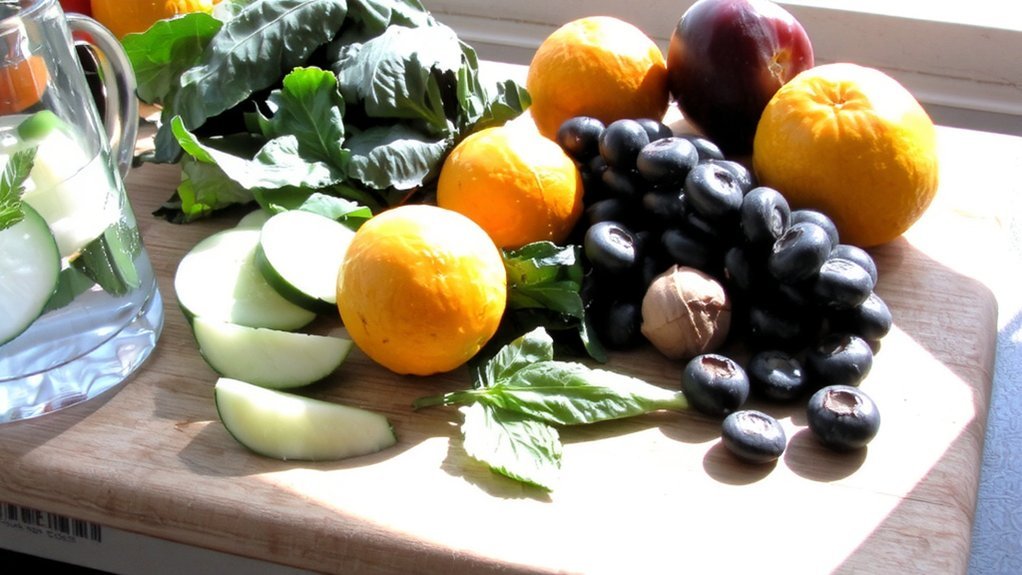
How much water are you really drinking each day? You’ll balance fluids by syncing intake with circadian hydration—more in the morning and early afternoon, less right before bed—to support sleep and avoid nocturia.
Sip consistently, and include mineral-rich water or a pinch of sea salt for electrolytes.
You’ll also support gut health by choosing beverages that encourage microbiome signaling: unsweetened kombucha, diluted kefir, bone broth and herbal teas.
Avoid sugary drinks and excessive caffeine.
Hydration and these functional fluids reduce bloating, help motility, and foster beneficial bacteria.
Track patterns, adjust based on activity and climate, and consult healthcare if you have medical conditions that affect fluid needs.
Start small changes today and notice digestion, energy, and skin improvements within a couple weeks’ time.
Meal-Prep and Time-Saving Tips
Keeping your fluids and gut-friendly beverages consistent makes meal-prep much easier, since predictable hunger and digestion let you plan portions and timing.
You’ll save time by prepping staples, using a Gadget Guide, and practicing Batch Freezing.
- Plan two cooking sessions.
- Label and portion containers.
- Freeze single-serve meals.
- Prep salads and dressings separately.
Use clear containers and stackable lids to save fridge space.
Invest in a few multi-use tools — slow cooker, immersion blender, and quality knives — to speed tasks.
Label with dates, rotate meals, and thaw overnight in the fridge.
Keep dressings separate to preserve texture.
These small routines cut prep time and decision fatigue.
You’ll feel lighter and more focused.
Maintaining Results After Day 7
Although Day 7 marks a milestone, you’ll maintain results by shifting from strict rules to sustainable habits: continue regular hydration, keep portion control and gut-friendly snacks, reintroduce foods slowly to spot sensitivities, and stick with the meal-prep routines that saved you time.
After the reset, prioritize sleep optimization—set consistent bedtimes, reduce screens, and wind down with calming rituals so recovery and appetite regulation stay steady.
Use habit tracking to log meals, water, movement, and sleep; small daily records reveal patterns and prevent backsliding.
When you add social meals or treats, plan portions and swap in fiber-rich sides.
Keep weekly prep sessions, tweak recipes for variety, and reassess goals monthly to keep momentum without rigidity.
Celebrate small wins and adjust strategies when obstacles arise appropriately.
Conclusion
By following this 7‑day reset, you’ll reboot your habits without drastic restriction. You’ll eat whole foods, tune into steady meal timing, and favor protein, fiber, and healthy fats to stabilize energy and digestion. Use the swaps and prep tips to fit your needs, stay hydrated, and prioritize sleep to support liver and gut health. After day seven, keep the simple routines that felt sustainable to maintain clearer digestion, steadier appetite cues and improved energy.