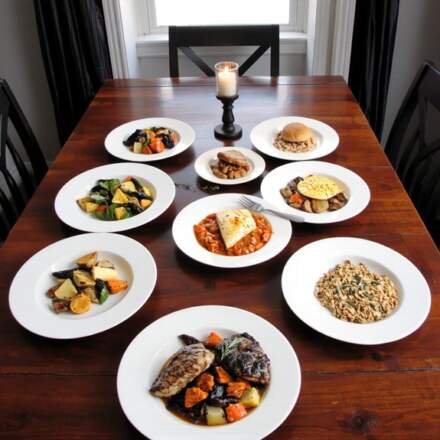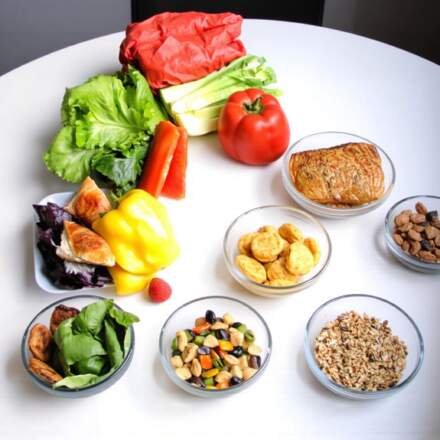

You want meals that lower inflammation without feeling restrictive. This plan shows how to combine vegetables, omega‑3 fish, whole grains, fermented foods and herbs into a practical week of breakfasts, lunches, dinners and snacks. You’ll get simple swaps, batch‑prep tips and a shopping list to simplify your life—see the weekly menu and recipes that make it doable…
Key Takeaways
- Prioritize colorful vegetables, fatty fish, legumes, whole grains, nuts, olive oil, turmeric, and ginger to lower inflammatory signaling and oxidative stress.
- Build each meal ~25–30% protein, 30–35% healthy fats, 35–45% fiber‑rich carbs, aiming for 20–30 g protein per meal.
- Rotate proteins, vegetables, and grains across a three‑template weekly menu with two repeats, one swap day, and one leftovers day.
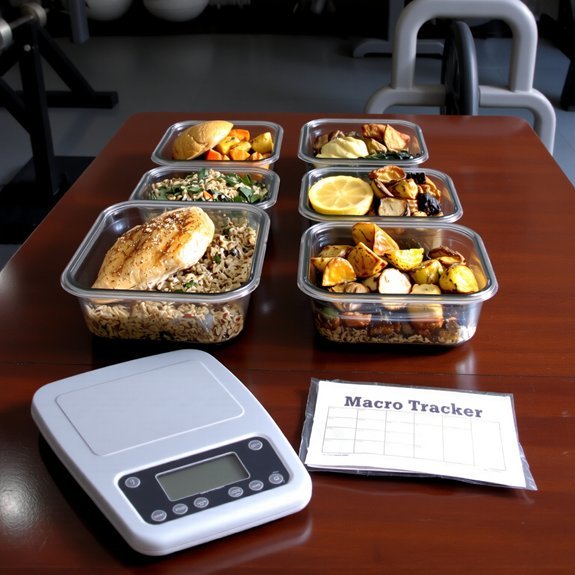
- Batch‑cook grains, legumes, roasted vegetables, and dressings; batch portions into jars for quick lunches and stress‑free dinners.
- Avoid processed meats, refined carbs, excess sugars, industrial seed oils, and trans fats; swap allergens with seeds, legumes, or certified gluten‑free grains.
Why Anti-Inflammatory Eating Works
Because what you eat directly shapes inflammation, choosing anti-inflammatory foods lowers the triggers that keep your immune system in a constant activated state.
You’ll reduce chronic signaling by shifting nutrient patterns that influence cytokine modulation and immune cell behavior.
Meals rich in varied antioxidants and balanced macronutrients help neutralize oxidative stress and limit damage that perpetuates inflammatory cycles.
You’ll also support gut barrier integrity and microbial balance, which cut down systemic immune activation.
Over time, consistent choices lower baseline inflammation, improve metabolic signals, and ease symptoms linked to persistent immune responses.
You don’t need perfection—regular, targeted changes create measurable effects on biomarkers and how you feel day to day.
Track simple markers and adjust habits, and you’ll see objective improvements within weeks, improving energy.
Key Foods to Include and Avoid
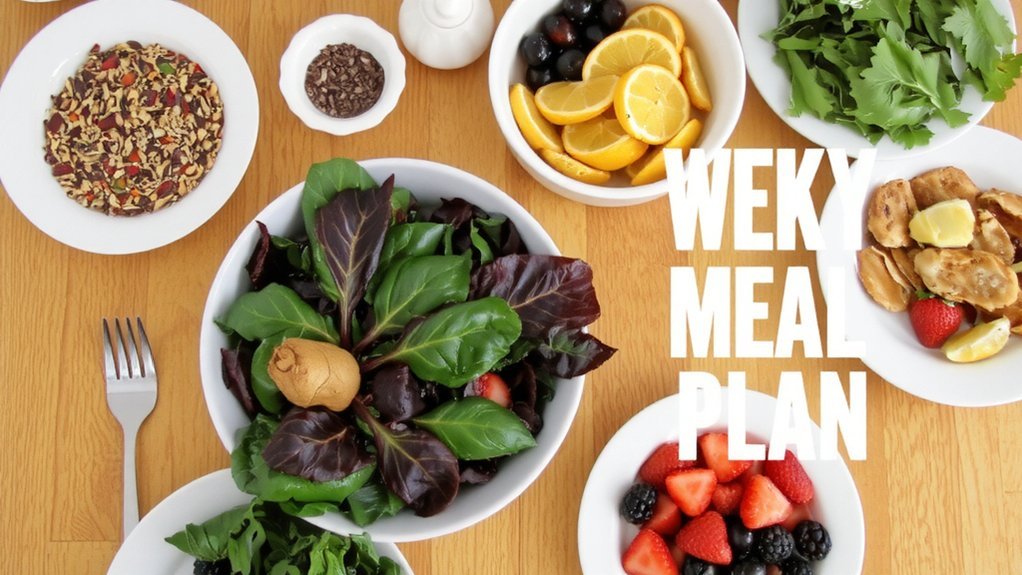
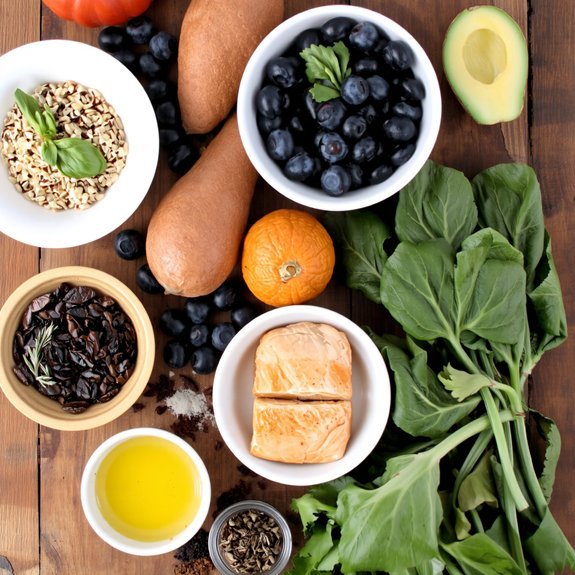
When you fill your plate with colorful vegetables, fatty fish, legumes, whole grains, nuts, olive oil, and anti-inflammatory spices like turmeric and ginger, you’ll give your body nutrients that lower chronic inflammation; steer clear of processed meats, refined carbs, excess added sugars, industrial seed oils, and trans fats, which promote inflammatory signaling.
Choose foods based on robust phytochemical profiles—berries, leafy greens, crucifers, and oily fish supply polyphenols, omega‑3s, and carotenoids that modulate immune pathways.
Prioritize whole, processed items and swap refined grains for quinoa, oats, or barley. Mind portion sizes and cooking methods—grilling, steaming, or poaching preserve benefits.
Account for Allergen considerations: if you react to nuts, dairy, or gluten, replace them with seeds, legumes, or certified gluten‑free grains to keep inflammation down.
How This Weekly Menu Is Structured
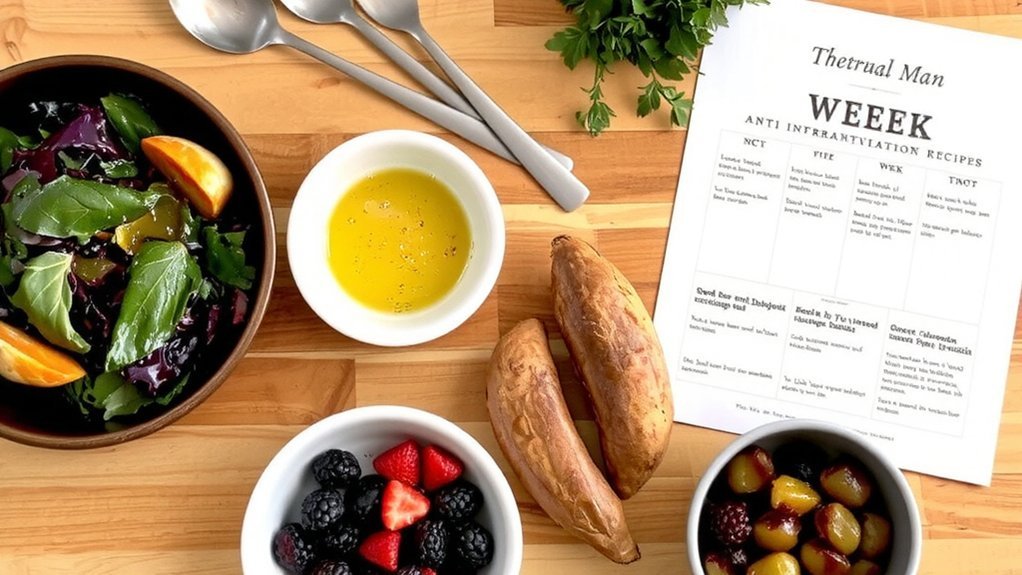
You’ll see daily macronutrient targets for protein, healthy fats, and carbs that support inflammation control and steady energy.
The weekly plan rotates meals to prevent monotony and make sure you get a broad range of anti-inflammatory nutrients.
You’ll also get simple swaps and variety guidelines so you can repeat favorites without missing key nutrients.
Daily Macronutrient Targets
Aim for a balanced plate each day: roughly 25–30% of calories from lean protein, 30–35% from healthy fats, and 35–45% from anti-inflammatory carbohydrates (vegetables, fruits, whole grains).
This framework helps you support metabolic flexibility and improves energy partitioning so your body uses fuels efficiently.
Target protein at each meal to preserve muscle and control inflammation.
Prioritize omega‑3 rich fats and monounsaturated sources, and choose fiber‑dense carbs to steady blood sugar.
- Protein: 20–30 g per meal, lean fish, poultry, legumes.
- Fats: 1–2 tbsp nuts, seeds, olive oil per serving.
- Carbs: 1–2 fist‑size portions of veg/fruit and ½–1 cup whole grains.
Adjust portions to your activity level and goals, and consult a pro if you’ve specific health conditions.
Track progress every week regularly.
Meal Rotation and Variety
Building on your macronutrient targets, this weekly menu uses a simple rotation system so you get variety without overthinking meals. You’ll rotate proteins, vegetables, and whole grains across three meal templates per day, swapping seasonal produce to keep antioxidants high. Each week repeats core recipes twice with intentional tweaks in herbs and dressings to explore Flavor pairings and maintain Texture contrasts. You’ll plan one ‘swap day’ to try new ingredients and one ‘leftovers day’ to reduce waste. Portion guidance stays consistent so meals meet your targets. Below is a quick visual of the rotation framework.
| Day Type | Example |
|---|---|
| Core | Grilled salmon, quinoa, greens |
| Swap | Chickpea curry, roasted veg |
Use the template flexibly; you’ll adjust spices and oil to suit preferences and goals daily rhythms.
7-Day Meal Plan Overview
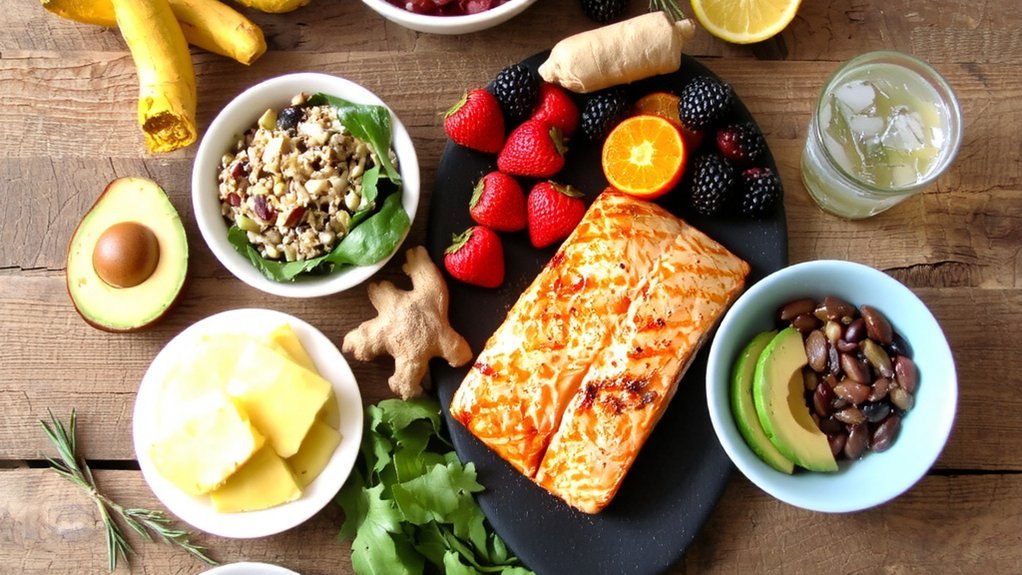
Typically, your daily anti-inflammatory plan balances lean protein, healthy fats, fiber-rich carbs, and colorful vegetables and fruit to steady blood sugar and reduce inflammation.
You’ll structure meals to maintain energy, control portions, and include anti-inflammatory staples like oily fish, nuts, olive oil, legumes, and a variety of greens.
Use simple design templates and adjust them based on user feedback so the routine fits your schedule and tastes. Aim for consistent meal timing, hydration, and sensible snacks.
Rotate ingredients to avoid monotony and cover nutrient needs. A daily pattern helps you shop efficiently and reduces decision fatigue. Keep portions moderate and stay flexible.
- Plan meals and snacks for steady energy.
- Prioritize whole foods and healthy fats.
- Adjust templates from feedback for sustainability.
Breakfast Recipes and Ideas
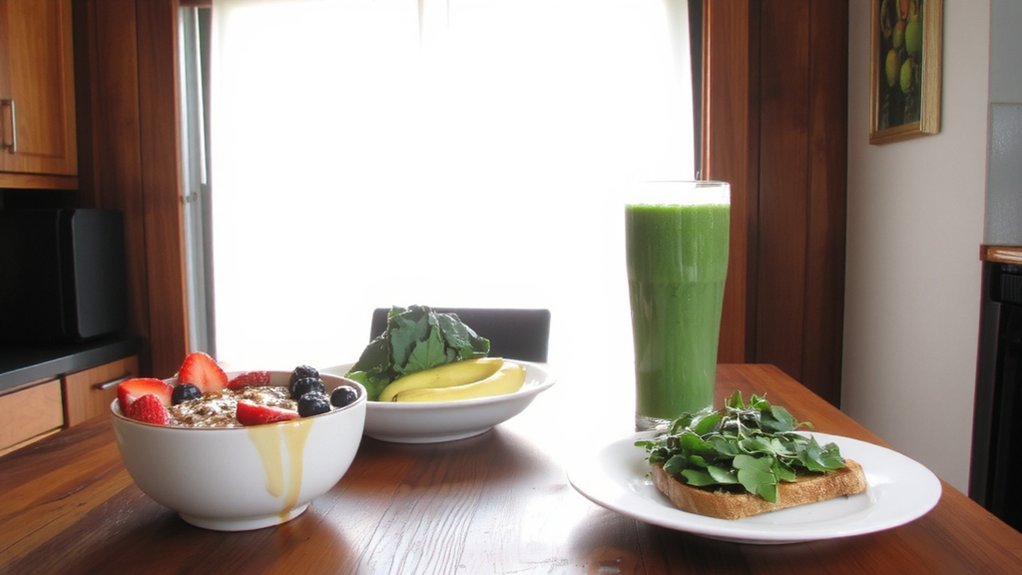
How will you make breakfast both satisfying and anti-inflammatory? Start with oats, berries, walnuts and a splash of turmeric milk for warmth and omega-3s. You’ll prep chia pudding or yogurt parfaits the night before to cut morning decision fatigue.
Use Kitchen Gadgets—immersion blender for smoothies, a nonstick skillet for turmeric eggs, and a jar set for overnight oats—to streamline prep. Balance protein, fiber, and anti-inflammatory fats: salmon-toast, spiced chickpea scramble, or avocado with lemon and hemp seeds.
Rotate flavors with cinnamon, ginger, and fresh herbs. Serve intentionally: simple Presentation Tips like contrasting colors, microgreens, and a drizzle of olive oil make dishes inviting, boost appetite, and reinforce consistent healthy habits.
Keep portions moderate and sip green tea to support recovery and steady energy daily.
Lunches for Workdays and Weekends
You need fast, anti-inflammatory workday lunches you can prep or grab between meetings, like grain bowls with leafy greens, salmon, and turmeric dressing.
On weekends you can slow-cook richer, comforting meals—think braised vegetables with ginger, legumes, and whole grains—to savor leftovers and company.
Both approaches keep inflammation low while fitting your schedule.
Quick Workday Lunches
Why not prepare lunches that reduce inflammation and save time?
You’ll batch-grill salmon, roast vegetables, and portion quinoa in jars to match Commute Timing and Team Norms—so you eat reliably between meetings and avoid inflammatory takeout.
Pack dressings separately and keep snacks like walnuts and berries on hand.
Choose whole-food swaps: leafy greens, turmeric-spiced hummus, and olive oil vinaigrette.
- Mason-jar salads with protein, greens, and anti-inflammatory dressing.
- Bento-style boxes: roasted veggies, brown rice, and a turmeric chickpea dip.
- Wraps with grilled chicken, spinach, avocado, and a yogurt-tahini spread.
These options travel well, rehearse quickly, and help you stick to anti-inflammatory goals during busy workdays.
Prep Sunday batches, label containers, and rotate recipes easily so lunch never feels repetitive or stressful again.
Relaxed Weekend Meals
Often, relaxed weekend lunches let you slow down and make slightly heartier, anti-inflammatory dishes that double as effortless weekday meals. You’ll use weekend time to roast vegetables, braise lean proteins, or simmer a turmeric-laced lentil stew, then portion leftovers for quick midday plates.
Eat al fresco when weather permits, pairing bowls with a crisp salad and a drizzle of extra-virgin olive oil. Batch-cooked grains and marinated chickpeas save minutes; you’ll reheat or build cold grain bowls before work.
Keep simple condiments and fresh herbs on hand, and play low-key kitchen playlists to make prep enjoyable. These meals prioritize anti-inflammatory ingredients—omega-rich fish, leafy greens, berries, nuts—so you stay satisfied and ready for busy weekdays.
You’ll freeze portions for emergency lunches and easily reduce weekday stress.
Dinners: Fish, Plant‑Forward Meals, and Family Favorites
While weeknight dinners can feel rushed, choosing fish and plant-forward recipes lets you serve meals that soothe inflammation without sacrificing flavor. You’ll focus on lean fish, legumes, whole grains and vibrant vegetables, using sauce pairings and textural contrasts to keep plates exciting and satisfying.
Aim for simple prep, bold herbs, and olive oil-based finishes so dinners stay anti-inflammatory and family-friendly.
- Lemon-dill salmon with quinoa and roasted broccoli — quick, omega-3 rich.
- Chickpea and spinach curry over brown rice — hearty, fiber-forward, kid-approved.
- Baked cod with tomato-olive salsa and steamed asparagus — clean flavors, minimal fuss.
You can swap ingredients seasonally, double portions for leftovers, or let kids choose a vegetable to encourage picky eaters while keeping meals nourishing and low in processed ingredients daily.
Snacks, Smoothies, and Fermented Foods
How can snacks, smoothies, and fermented foods keep inflammation in check between meals?
You’ll choose anti-inflammatory snacks—nuts, seeds, and fruit with yogurt—to steady blood sugar and curb cravings.
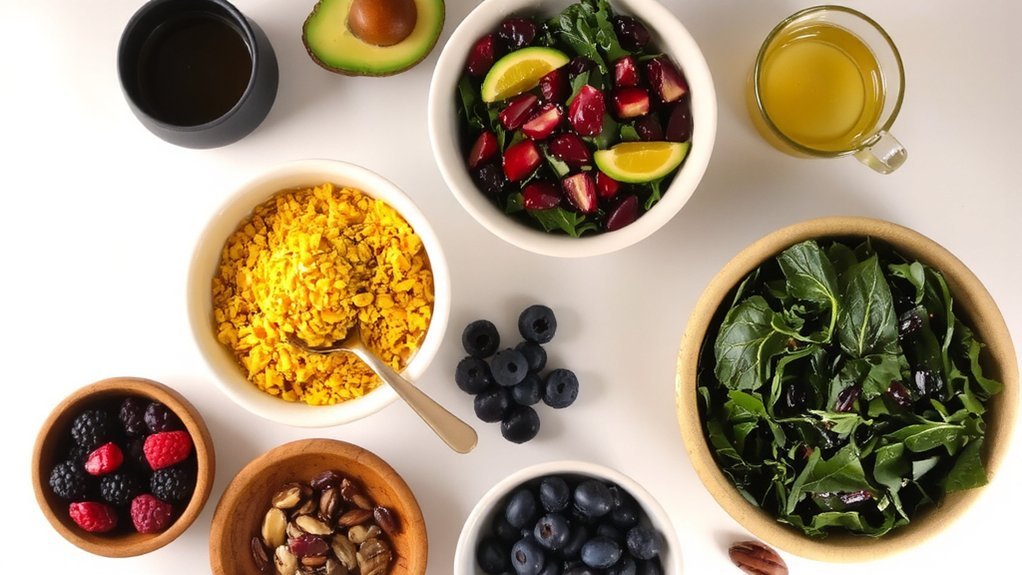
Blend leafy greens, berries, turmeric, and ginger into smoothies that deliver polyphenols and omega‑3 support; sip slowly to aid digestion.
Fermented foods like kefir, kimchi, and miso introduce probiotics that calm gut inflammation and modulate immune responses, reflecting Cultural Traditions that prized preservation and gut health.
Rotate textures and flavors to prevent monotony and promote nutrient variety.
Prefer minimally processed options and brands committed to Packaging Sustainability to reduce additives and waste.
These smart small meals and drinks keep inflammation lower without adding excess calories or refined carbs.
Eat them mindfully, and enjoy gradual health gains.
Shopping List, Pantry Staples, Swaps, and Meal‑Prep Tips
Keep a well-stocked pantry and fridge so you’ll reach for anti-inflammatory choices between meals: whole grains (brown rice, quinoa, rolled oats), canned or dried legumes, extra‑virgin olive oil, nuts and seeds, canned tomatoes, low‑sodium broths, a selection of dried and fresh spices (turmeric, ginger, cinnamon), frozen berries and greens, plain yogurt or kefir, miso, and shelf‑stable fermented products.
Plan a shopping list by week, prioritize seasonal produce, and buy bulk staples for budget batching.
Choose sustainable sourcing for seafood, olive oil, and organic produce when possible.
Prep grains, legumes, chopped vegetables, and dressings in jars so you can assemble meals quickly.
Rotate spices and label meals with dates.
- Batch-cook grains/legumes.
- Portion snacks and smoothies.
- Freeze single‑serves for busy days.
Stay consistent.
Conclusion
You’ve got a flexible, nutrient‑dense weekly menu that helps lower inflammation and supports gut and metabolic health; use the swaps, batch‑prep tips, and pantry staples to make it yours, and stick with consistent, colorful meals while tuning into how your body responds. Start small, experiment with flavors and anti‑inflammatory staples, and celebrate progress—if you have chronic conditions or take medications, check with a clinician for personalized guidance to adapt the plan safely and sustainably today.