
You can build a full week of meals using only Aldi products that cut cost and simplify your grocery runs. The plan covers Meatless Monday through Slow-Cook Sunday with specific Aldi brands, shopping tips, and quick recipes. I’ll give exact items, prep steps, and allergy swaps so you can shop and cook with confidence—keep going to see the full plan.
Key Takeaways
- Use a theme-night weekly menu (Meatless Monday, Taco Tuesday, Pasta, Comfort, Fish, Stir-fry, Slow-cook) built exclusively from Aldi-branded items.
- Shop with a focused Aldi-only list, set a spending limit, compare unit prices, and use the Aldi app for digital deals.
- Base meals on shared Aldi staples: rotisserie chicken, frozen vegetables, canned beans, rice, pasta, and jarred sauces to reduce waste.
- Rely on 15-minute Aldi recipes and leftovers for lunches: grain bowls, bean tacos, big salads, and reheatable casseroles.
- Swap for Aldi allergy-friendly lines (liveGfree, Friendly Farms alternatives, Earth Grown) to accommodate gluten-free, dairy-free, or plant-based diets.
Weekly Meal Plan Overview
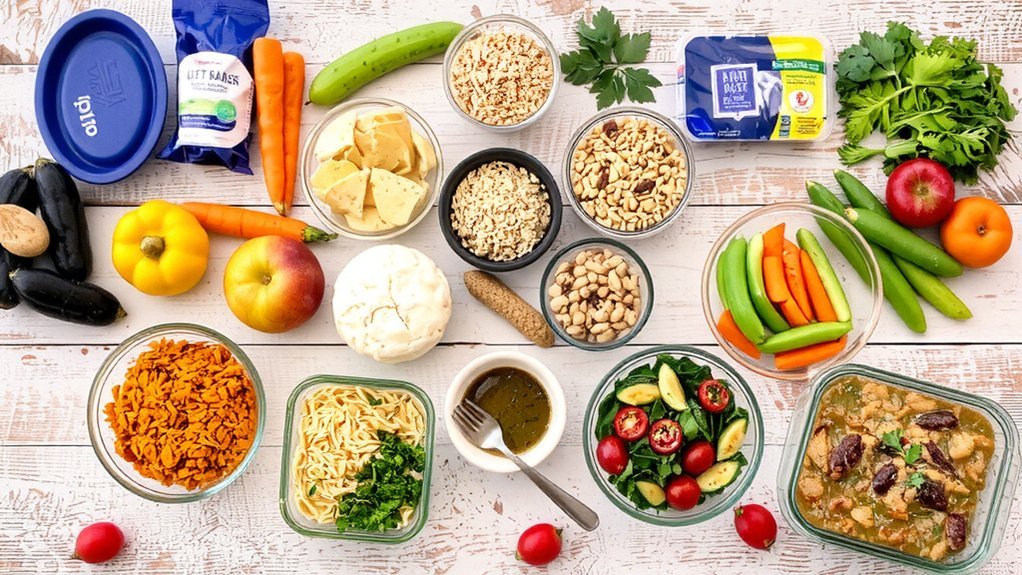
Usually, a weekly Aldi meal plan balances budget, variety, and ease so you can shop once and cook efficiently. You’ll map dinners to theme nights — like Meatless Monday, Taco Tuesday, Midweek Pasta, Comfort Thursday, Fish Friday, Stir‑fry Saturday, and Slow‑cook Sunday — which helps you rotate proteins, cuisines, and colors.
You’ll plan lunches from leftovers and simple salads, and set breakfasts that reuse staples. You’ll prioritize recipes that share core ingredients so you reduce waste and speed prep.
For serving variety, swap herbs, sauces, grains, and sides to make similar mains feel fresh. You’ll schedule one flexible night for takeout or pantry clearout.
This approach keeps meals predictable but enjoyable, saves time during the week, and makes meal prep manageable. You’ll feel confident all week.
Shopping List and Budget Strategies
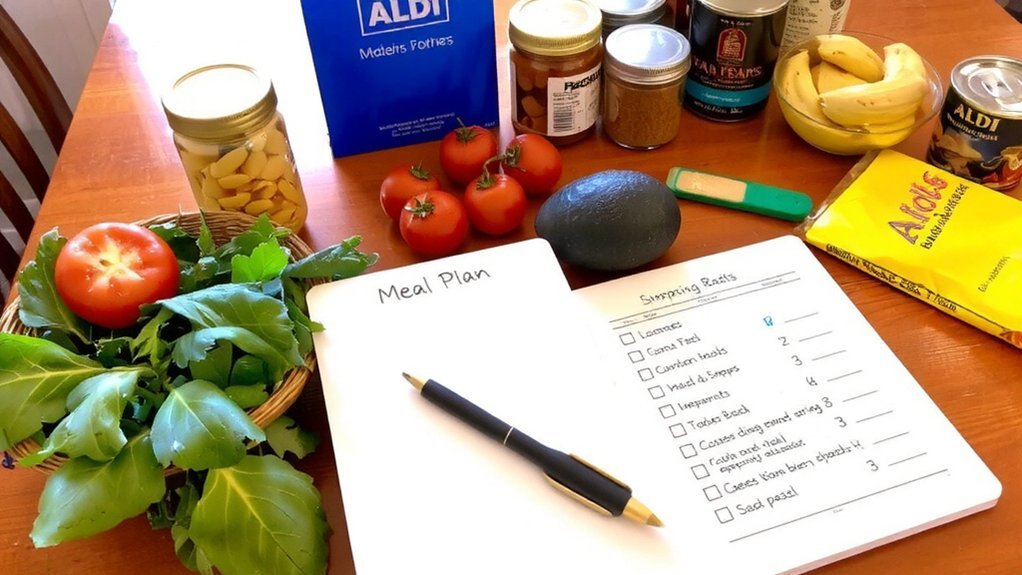
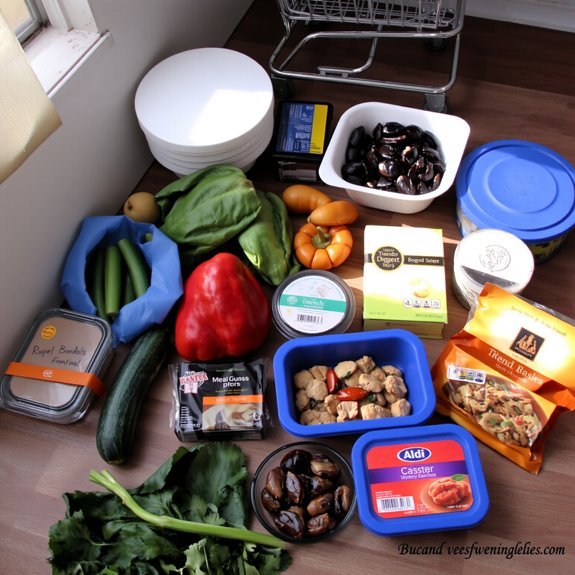
How can you shop smarter at Aldi so your meal plan stays on budget? You make a focused list from the weekly ad, prioritize staples and Aldi Finds, and set a clear spending limit before you go.
Compare unit prices on similar items and track unit-cost savings; use coupon stacking where allowed by manufacturer coupons plus store promotions.
Check competitors’ prices online and use price matching policies elsewhere to confirm Aldi is best value.
Buy in-season produce, bulk proteins when on sale, and freeze extras to avoid waste.
Use the Aldi app for digital deals, round up totals mentally, and review receipts to adjust next week’s list.
You’ll save more by tracking prices monthly, consistently.
Recipes and Quick Prep Instructions
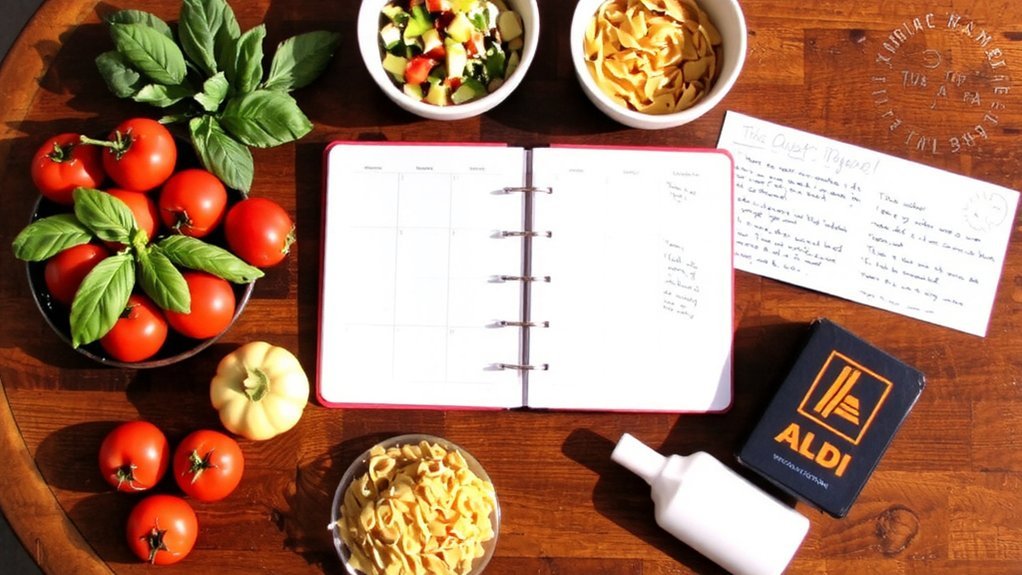
Pick a handful of versatile Aldi ingredients—rotisserie chicken, frozen veggies, canned beans, and pre-washed greens—and you can turn them into several fast meals all week. You’ll use simple swaps and pantry staples to make 15 minute dinners: toss chicken with heated veggies and grains, mix beans into quick tacos, or build big salads with dressing and seeds. Add flavor boosters like lemon, garlic powder, chili flakes, or jarred sauces. Use the table below for quick combos and basic steps.
| Main | Add-ins | Quick prep |
|---|---|---|
| Chicken bowl | Rice, veggies | Heat, toss, dress |
| Bean tacos | Salsa, cheese | Warm shells, fill |
| Salad | Greens, seeds | Assemble, drizzle |
Follow these builds and swap ingredients freely; you’ll keep variety high and dinner time efficient without extra shopping or complicated recipes tonight.
Meal Prep, Storage, and Reheating Tips
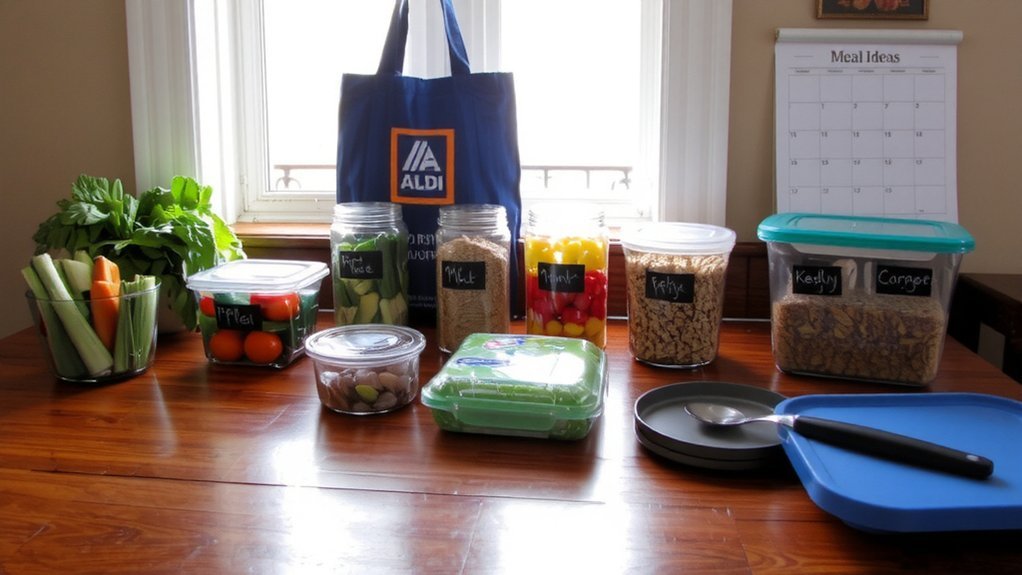
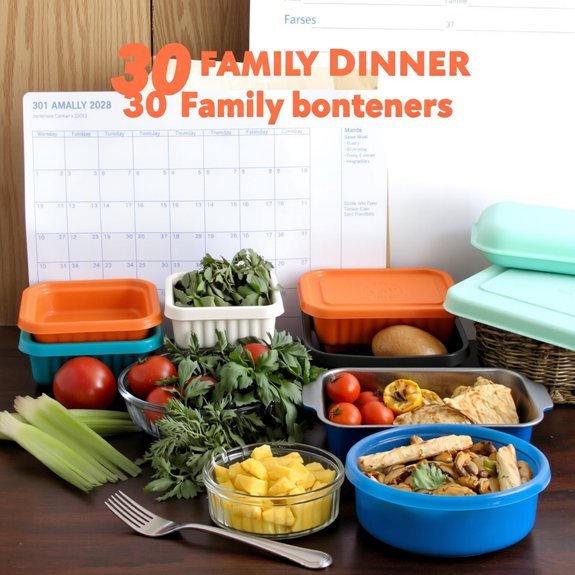
Prepping meals ahead saves time and makes weeknight dinners stress-free: pack portions into airtight containers, let hot food cool slightly before sealing, and label each container with contents and date.
Choose Container Materials that suit use — glass for oven/microwave, BPA-free plastic for grab-and-go, and silicone for freezing.
Use simple Labeling Systems: write meal name, date, and reheating instructions on removable stickers or masking tape.
Store meals at top of fridge for quick access; freeze extras in flat portions to save space.
Reheat evenly: thaw overnight in fridge, reheat covered to retain moisture, and stir midway to avoid cold spots.
Cool leftovers within two hours and follow Aldi product dates for best quality. You’ll save money and waste less when you plan servings ahead.
Dietary Swaps and Allergy-Friendly Options
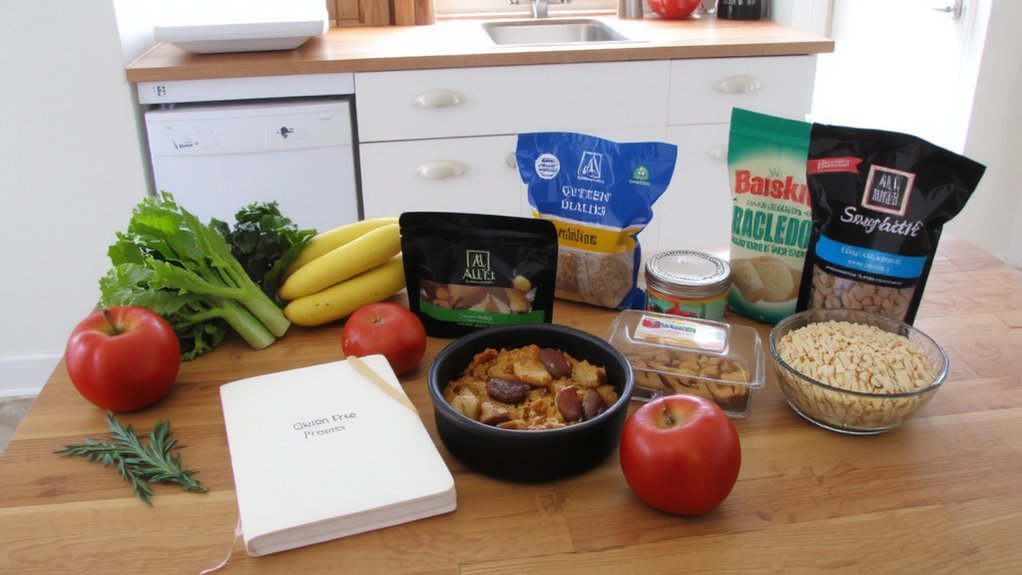
If you need to accommodate allergies or dietary preferences, simple swaps let you use many Aldi staples without extra trips: choose gluten-free pasta and bread from their liveGfree line, swap regular milk for Friendly Farms almond or oat milks, and replace ground beef with Earth Grown plant-based crumbles or frozen turkey for a leaner option.
You’ll adapt recipes—use gluten-free flour blends for dredging, swap soy sauces with tamari, and use dairy-free spreads in baking.
For kids, label packed lunches and include ingredient notes for school accommodations.
When traveling, pack shelf-stable snacks, preportion meals into insulated containers, and prioritize items with clear labels as part of your travel strategies.
Keep an emergency allergy kit and communicate needs to hosts.
Rotate supplies and check dates regularly.
Conclusion
You’ll find this Aldi weekly plan keeps meals simple, affordable, and flexible while using only store-brand products. You’ll save time by prepping staples once, swap ingredients to fit allergies or preferences, and still enjoy varied, tasty dinners from Meatless Monday through Slow-Cook Sunday. Stick to the shopping list, use freezer-friendly portions, and reheat smartly to reduce waste. With these strategies you’ll eat well all week without breaking your budget, even when schedules get very tight.