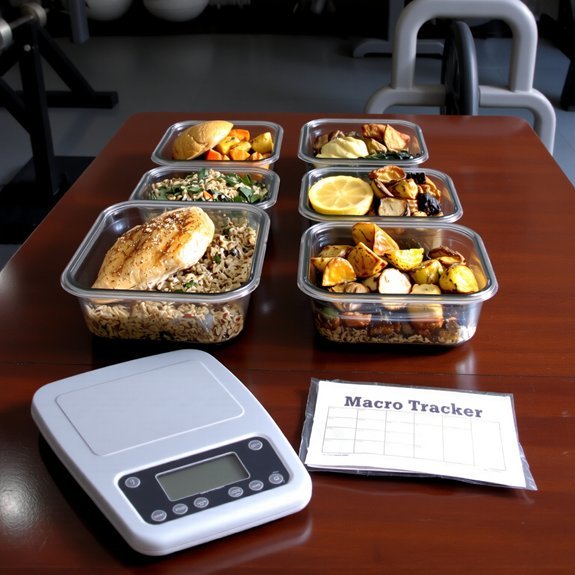

You want to build muscle without guesswork, so you need clear calorie targets, a reliable macro split, and practical meals you can prep. This plan gives daily targets, a seven‑day menu with macros, timing for pre/post‑workout nutrition, and easy swaps—keep going to see the exact meals and prep steps that make steady gains realistic.
Key Takeaways
- Eat ~10–20% above maintenance with daily macros set: 1.6–2.2 g/kg protein, 20–30% calories from fat, remaining calories as carbs.
- Prioritize progressive overload and align higher-carb days with heavy leg or high-intensity training for performance and recovery.
- Plan 3–6 meals daily: balanced pre-workout carbs+protein 2–3 hours before, small snack 30–60 minutes if needed, 20–40 g protein post-workout.
- Build a seven-day menu with batch-cooked proteins, bulk carbs (rice/quinoa), vegetables, and simple swaps to hit per-meal macros consistently.
- Track weight, lifts, sleep, and measurements; adjust calories ±150–300 kcal or reallocate carbs/fats if gains stall or fat increases.
Daily Calorie and Macro Targets for Muscle Gain
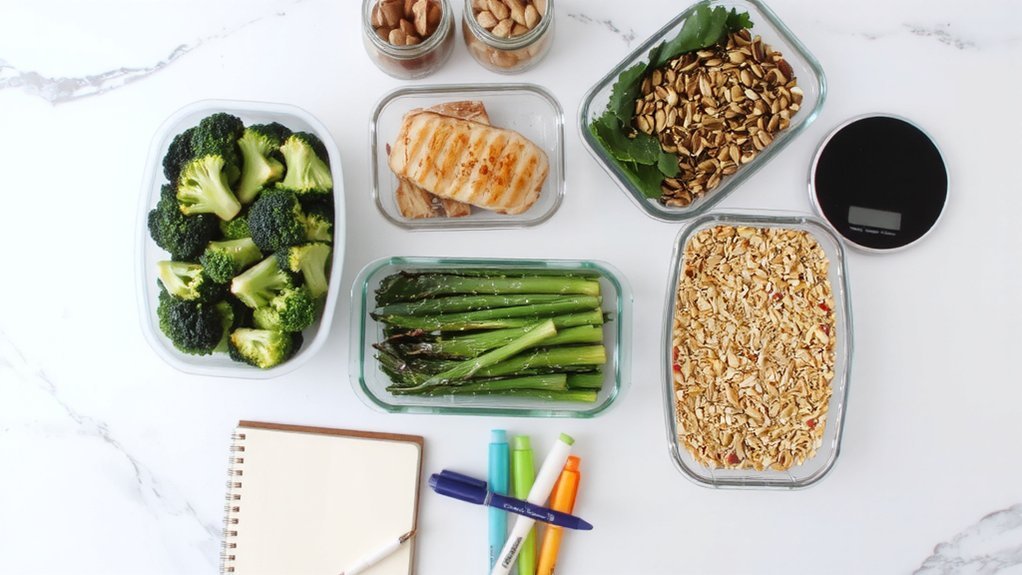
How many calories you need depends on your current weight, activity level, and goals, but to gain muscle you’ll typically eat about 10–20% above maintenance.
You’ll set protein at about 1.6–2.2 g/kg bodyweight, keep fats around 20–30% of calories, and fill the rest with carbs to fuel performance and recovery.
Track calories and adjust weekly based on body composition changes and strength progress.
Remember Genetic Factors influence your rate of gain and how you should pace increases, while Hormone Impact — like testosterone and insulin sensitivity — affects appetite, recovery, and muscle synthesis.
Prioritize consistent meal timing, adequate sleep, and progressive overload; they’ll optimize how those targets translate into lean mass.
Adjust macros monthly: lower fat if gains stall, or raise carbs to boost training intensity.
Seven-Day Sample Meal Plan With Macros
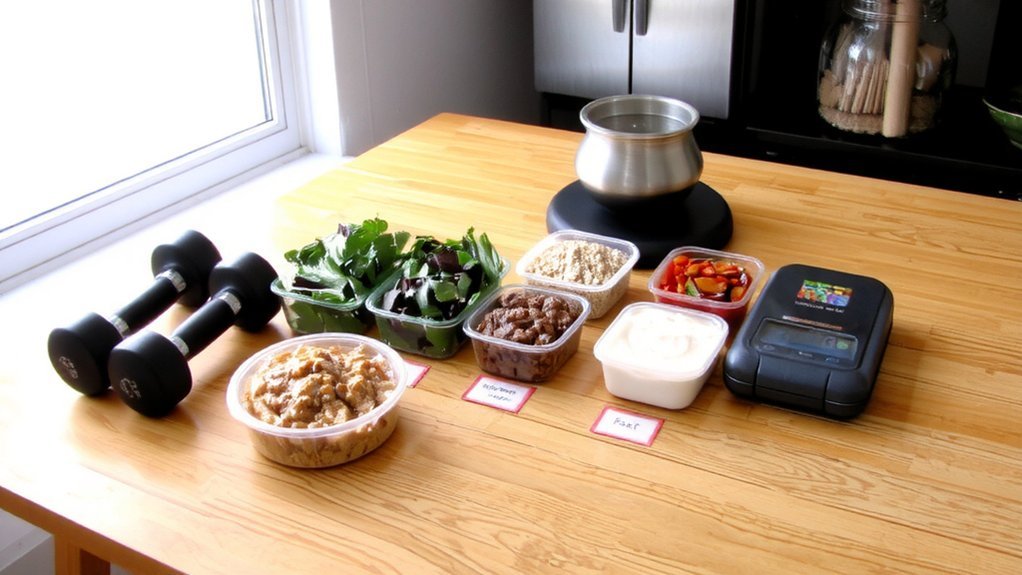
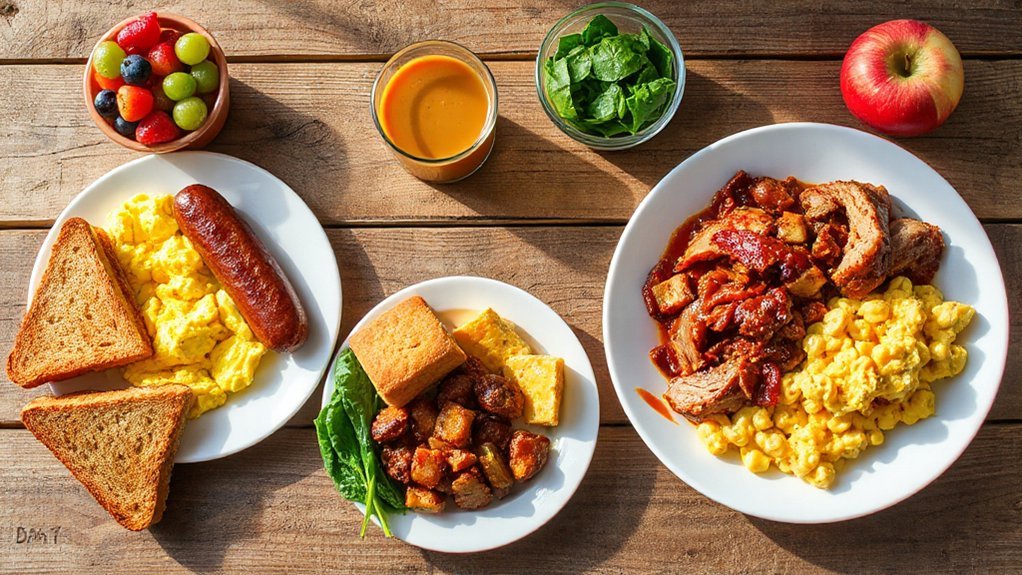
Follow this seven-day sample meal plan to see how daily calories and macros for muscle gain translate into real meals; each day lists total calories, protein, carbs, and fats plus per-meal breakdowns and simple swap options so you can scale it to your 10–20% surplus and 1.6–2.2 g/kg protein target.
You’ll get Theme days (e.g., higher-carb leg day, moderate-carb upper-body day) to simplify shopping and prep.
Each day presents breakfasts, lunches, dinners, and two snacks with macro totals and portion guidance.
Flavor pairings keep meals appealing—citrus with fish, chili-lime with chicken, and herb-rich sides for beef.
Swap suggestions let you adjust calories and fat sources without redoing the plan.
Follow this sheet, measure portions, and tweak to hit your weekly surplus consistently and recover.
Meal Timing and Pre/Post-Workout Nutrition
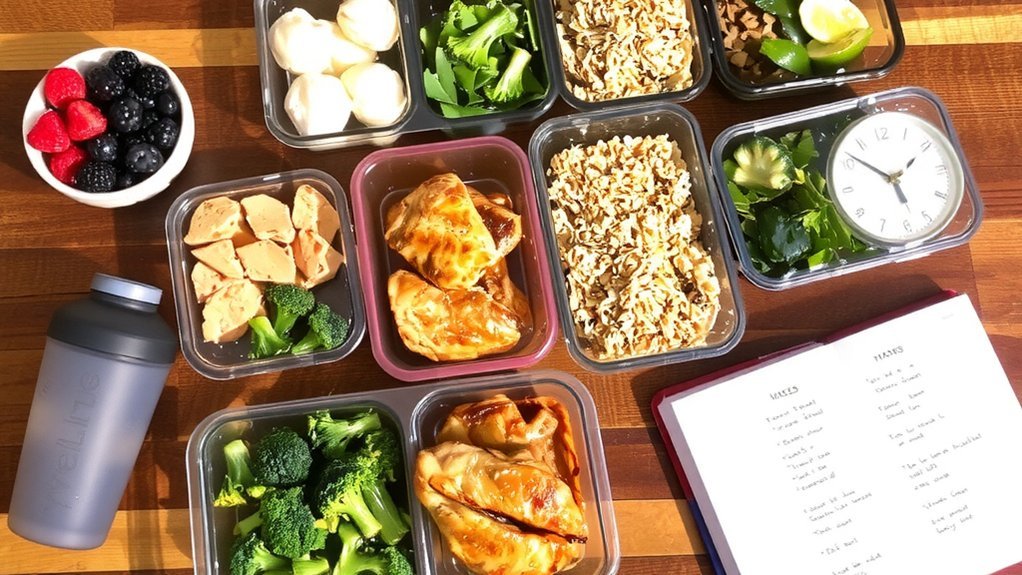
When should you eat around training to get the most from your workouts? You should aim to eat a balanced meal 2–3 hours before training with carbs and protein to fuel performance and limit GI distress.
If you’re short on time, a smaller snack 30–60 minutes prior with easily digested carbs and 10–20 g protein works well.
Post-workout, prioritize 20–40 g protein and carbs within 60 minutes to support recovery and glycogen replenishment.
Align meals with your sleep-wake cycle — Circadian nutrition affects hormone rhythms and recovery, so schedule larger feeds earlier if you train in the morning.
Be strategic with Caffeine timing: take it 30–60 minutes pre-workout for peak alertness, avoiding late doses that disrupt sleep.
Adjust portions to individual tolerance and goals.
Easy Meal Swaps and Portion Variations
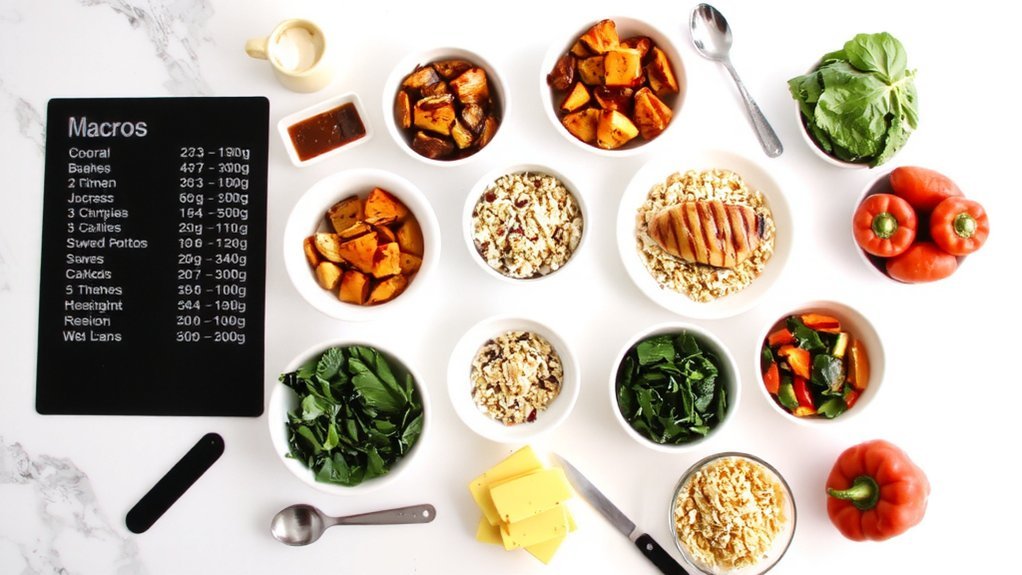
Although you don’t need exotic ingredients to hit your macros, simple swaps let you vary flavor, calories, and macronutrients without rewriting your meal plan.
| Swap | Effect |
|---|---|
| Quinoa for rice | Heartening whole-grain lift |
| Greek yogurt for sour cream | Creamy protein hug |
You can trade white rice for quinoa to add protein and feel fuller, or swap Greek yogurt for sour cream as a tangy flavor booster. Scale portions: increase carbs on heavy training days, reduce fats on rest days. Use texture swaps—like blending oats into smoothies or roasting chickpeas for crunch—to keep meals satisfying. Small changes keep progress steady and appetite engaged. Pick swaps that match your goals, then adjust portion sizes by eye or with a kitchen scale to fine-tune calories and macros daily.
Weekly Food-Prep and Shopping Guide
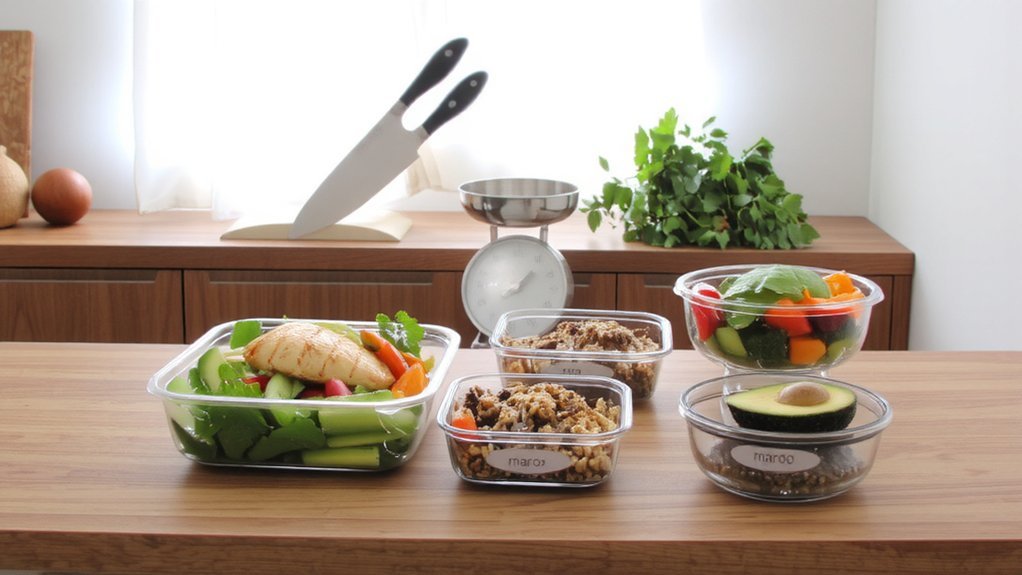
Now you’ll turn those simple swaps into a weekly plan that keeps cooking efficient and macros on target.
Plan meals by protein, carb, and fat targets, then write a single shopping list sorted by section. Use budget shopping: buy bulk rice, frozen vegetables, and whole chickens or lean ground meat.
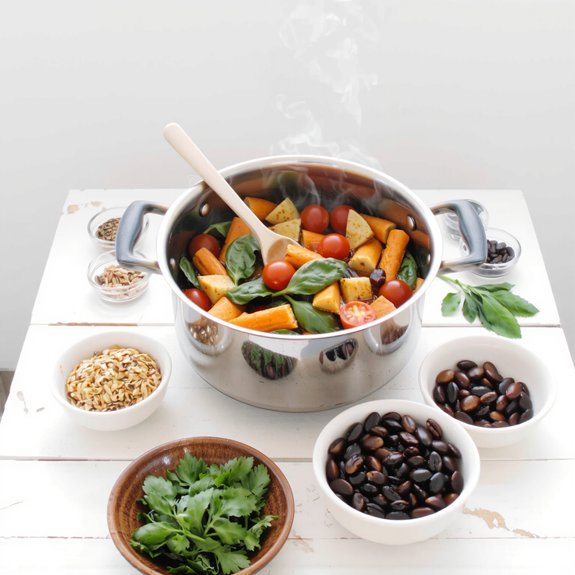
Schedule one or two batch-cooking sessions and use Batch freezing for portions; label containers with date and macros. Prep versatile components — grains, proteins, roasted veg, sauces — so you can mix plates all week.
Keep spices, olive oil, and condiment staples stocked. Assign one day to cook, one to reheat, and store a few ready snacks. This routine saves time, cuts waste, and keeps your weekly intake consistent. You’ll thank yourself every week.
Tracking Progress and How to Adjust Macros
You should track progress metrics like body weight, body fat, strength, and measurements weekly so you can see how your plan is working.
If progress stalls or goes the wrong way, adjust your macros by changing calories, protein, carbs, or fats in small increments. Re-test over 2–4 weeks and keep tweaking until you hit your target rate of change.
Progress Metrics
Several simple metrics will tell you whether your current macros are working.
Track weekly body weight, weekly progress photos, and tape measurements to spot trends, and log training consistency and sleep quality to link recovery to results.
Record key lifts and reps so you see strength gains; steady increases usually mean you’re eating enough to build muscle.
Also monitor daily energy, hunger, mood, and soreness — these subjective signs show whether calories and macros suit you.
Use a short training log and a simple spreadsheet for weekly averages rather than obsessing over day-to-day swings.
If weeks of data show no trend, consult with a coach or reassess goals, but avoid making immediate changes based on single workouts or scales.
Stay patient and trust the process.
Adjusting Macros
When progress stalls, base macro changes on consistent trends in weight, measurements, strength, and recovery rather than on day-to-day noise.
Track weekly averages, body circumferences, and rep performance to know if you’re gaining lean mass or adding fat.
Adjust calories first: add 150–300 kcal/day if gains are too slow, or subtract 100–200 kcal if fat accumulates.
Then tweak protein to 1.6–2.2 g/kg, fill remaining calories with carbs and fats according to training intensity.
Consider non-diet factors like Travel adjustments and Sleep impact before major shifts; poor sleep or travel can mimic stall patterns.
Use this checklist:
- Confirm 2–4 week trend
- Prioritize recovery and sleep
- Modify calories modestly
- Reassess training and adherence
Repeat adjustments until progress aligns with your goals consistently.
Conclusion
You’ve got a practical, calorie‑surplus plan with clear macros and meal timing to fuel progressive overload and recovery. Follow the seven‑day menu, use the swaps and batch‑cooking tips, and time carbs around workouts to boost performance. Track weight, lifts, and sleep weekly, and tweak calories by 150–300 kcal or adjust carbs/fats based on results. Stay consistent, be patient, and prioritize protein and recovery to turn calories into sustainable muscle gains over the long term consistently.