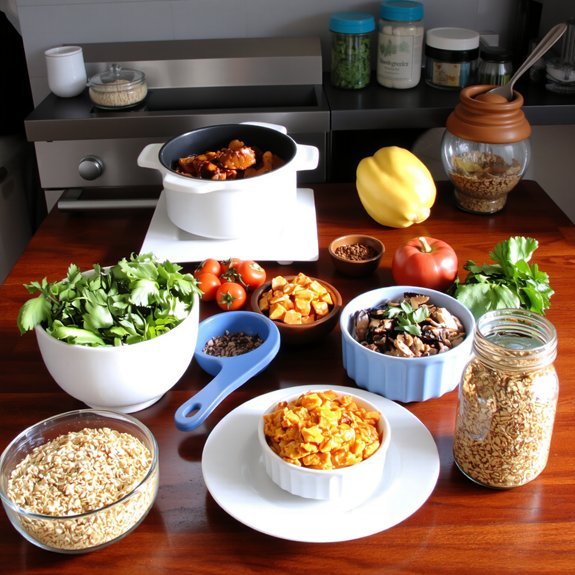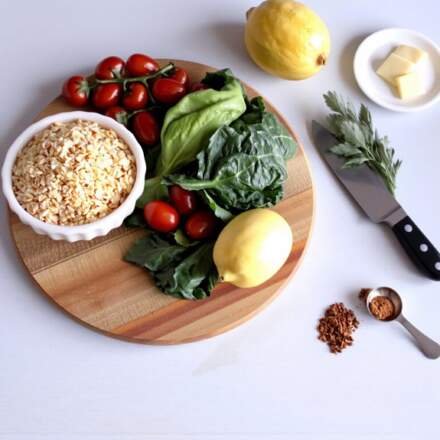

You’ll get a practical weekly whole‑foods plan that favors seasonal produce, simple batch‑cooking, and balanced meals for steady energy. It’s built for real life—quick breakfasts, grain bowls, smart snacks, and flexible swaps for allergies or goals. I’ll walk you through shopping, prep, and time‑saving tips so you can actually stick with it, but first, let’s set your priorities.
Key Takeaways
- Rotate balanced whole-food breakfasts, lunches, dinners, and snacks weekly to reduce decision fatigue, waste, and maintain nutrient variety.
- Batch-cook grains, proteins, and roasted vegetables, then portion and label for quick weekday assemblies and freezer-friendly meals.
- Build breakfasts with 20–30 g protein and 8–12 g fiber: overnight oats, Greek yogurt bowls, savory egg cups, or smoothies.
- Compose energizing grain bowls: whole grains, lean protein or legumes, colorful vegetables, healthy fats, and simple lemon-tahini or yogurt dressings.
- Stock a pantry of whole grains, canned proteins, beans, nuts/seeds, seasonal produce, extra-virgin olive oil, and low-sodium broths for flexibility.
Weekly Overview and How to Use This Plan
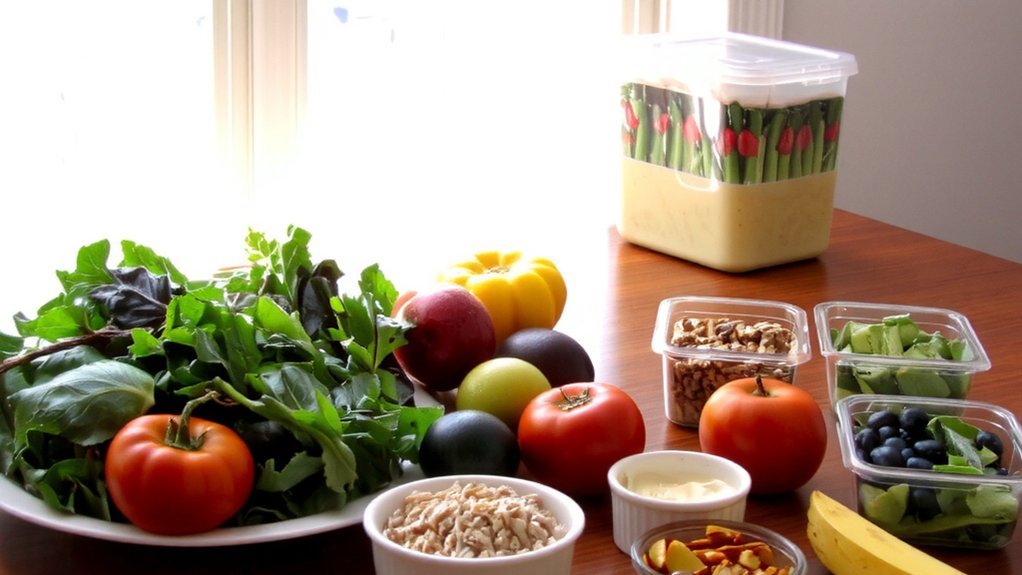
Each week lays out balanced breakfasts, lunches, dinners, and snacks so you know exactly what to eat and when. You’ll get a clear rotation of whole-food meals, portion cues, and simple swaps for allergies or preferences.
Use the plan to streamline shopping: follow the grocery list, prep staples, and batch-cook proteins and grains. Set realistic targets with goal setting—weight, energy, or cooking frequency—and break them into weekly steps.
Track progress by logging meals and mood; habit tracking will reveal patterns to adjust portions or timing. You’ll follow recipes when needed and mix components when you’re short on time.
The structure saves decision time, reduces waste, and helps you build consistent, sustainable eating habits. Adjust servings to match activity levels and consult labels for sodium and added sugar.
Breakfasts to Start the Day Right
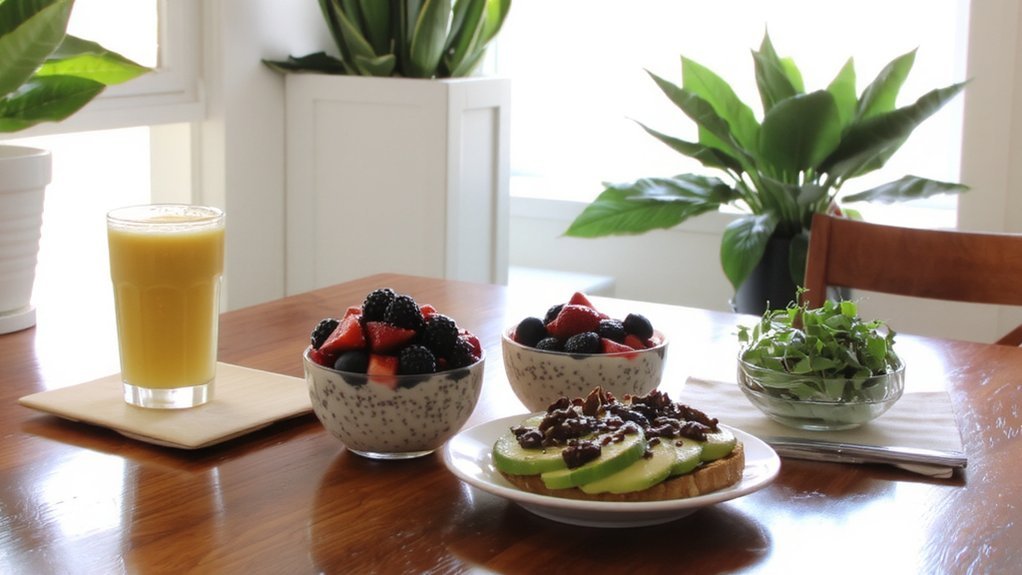
Start your morning with quick protein options like Greek yogurt, eggs, or a protein smoothie so you’ll stay full and focused. Pair them with fiber-rich choices—oats, berries, or whole-grain toast—to support digestion and steady energy.
Prep make-ahead breakfasts such as overnight oats, chia pudding, or egg muffins so you can grab a nutritious meal on busy mornings.
Quick Protein Options
Fuel your morning with quick, protein-rich breakfasts that keep you full and focused until lunch. Choose options you’ll prepare in minutes: Greek yogurt with berries, cottage cheese and sliced tomato, hard boiled eggs, smoked salmon on whole grain toast, or a simple protein smoothie.
Focus on protein timing, aim for 20 to 30 g within an hour of waking to stabilize energy regularly. Combine animal and plant sources across the week so you’ll get complementary amino profiles without elaborate recipes.
Prep portions ahead, batch cook eggs, portion nut butter, or pre-pack overnight oats with a scoop of protein powder. These moves save time, reduce decision fatigue, and help you stick to clean-eating goals while supporting muscle recovery and sustained satiety for daily performance gains.
Fiber-Rich Choices
Including a fiber-rich breakfast helps steady blood sugar, keeps you full longer, and feeds your gut’s beneficial bacteria.
Choose oats, chia, berries, and high-fiber fruits to boost soluble and insoluble fiber; they slow digestion and reduce mid-morning cravings.
Add nuts or seeds for texture and healthy fats.
Pair whole-grain toast with avocado or bean spread to raise daily fiber without excess sugar.
These choices enhance Fiber Fermentation, creating short-chain fatty acids that nourish colon cells. By prioritizing diverse plant fibers you’ll improve Microbiome Support and regularity.
Aim for at least 8–12 grams of fiber at breakfast by mixing fruits, whole grains, legumes, and seeds. You’ll feel more energized and less tempted by processed snacks. Swap sugary cereals for these options to see real benefits.
Make-Ahead Breakfasts
After packing fiber-rich ingredients into your morning routine, make-ahead breakfasts let you save time while keeping those gut-friendly benefits. You can batch overnight oats with yogurt, chia, and berries—Overnight Infusions intensify flavor and soften seeds without cooking.
Prep whole-grain muffins, savory egg cups, or grain bowls, portioning into jars or containers so you grab a balanced meal. Use Freezer Stacking for casseroles and homemade breakfast sandwiches: freeze flat, label, and rotate to avoid waste.
Reheat gently to preserve texture and nutrients. On busy mornings, warm a jar, toss in fresh fruit, or microwave a sandwich for a minute.
You’ll enjoy steady energy, fewer cravings, and simplified weekend meal prep.
Energizing Lunches and Grain Bowls
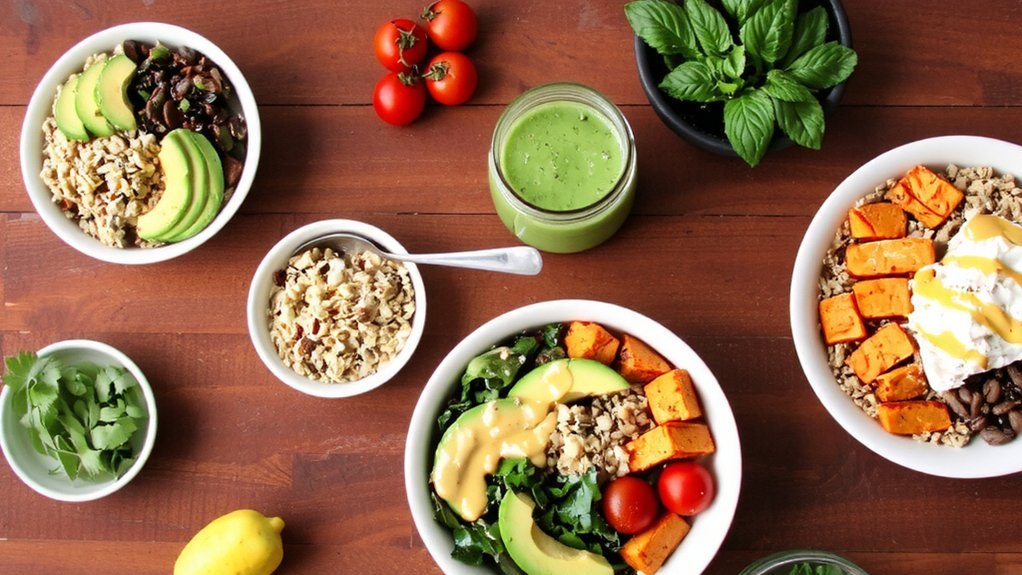
Building energizing lunches and grain bowls means combining whole grains, lean proteins, healthy fats, and colorful vegetables so you stay satisfied and focused all afternoon.
You’ll balance quinoa, brown rice, or farro with grilled chicken, tofu, or salmon, add avocado or olives for fat, and toss in roasted and raw veggies for crunch.
Use simple dressings, lemon, tahini, or yogurt, to tie Flavor Pairings together and boost nutrient absorption.
Aim for Texture Contrast: creamy hummus, crisp cucumbers, chewy grains, and crunchy seeds make each bite interesting.
Prep components in batches, portion into containers, and rotate sauces so lunches stay varied.
You’ll eat better, waste less, and maintain steady energy through your workday.
Switch grains weekly and add fresh herbs for brightness and extra nutrients.
Simple Dinners for Every Night of the Week
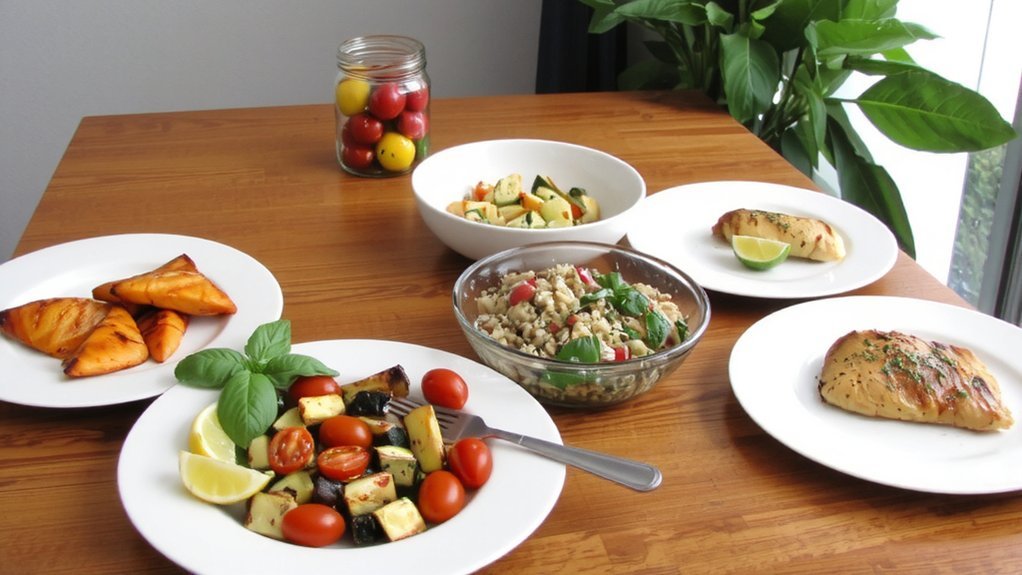
You’ll get weeknight dinners on the table fast with 5-ingredient one-pan recipes that cut prep and cleanup.
You’ll also learn simple vegetarian swaps that keep meals satisfying and nutrient-packed.
Use smart meal-prep shortcuts—batch roasting, pre-chopped produce, and portioned sauces—to save time and stick to clean eating all week.
5-Ingredient One-Pan Dinners
When weeknights get busy, one-pan dinners make it easy for you to throw together a healthy meal with minimal cleanup; by focusing on a few versatile ingredients — a protein, seasonings, and seasonal vegetables — you’ll be able to mix and match flavors all week without complicated prep or extra dishes.
Choose sturdy veggies, lean protein, and bold herbs; practice Heat Management by adjusting heat to avoid steaming or burning.
Keep pans seasoned and clean for life—Pan Maintenance saves flavor. Rotate these approaches each night:
- Roast chicken thighs with root vegetables and rosemary.
- Sear salmon with asparagus and lemon.
- Stir-fry tofu, bell peppers, and ginger.
- Sheet-pan shrimp with broccoli and chili flakes.
Serve with whole grains or a simple green salad.
Vegetarian Meal Swaps
If you’re cutting meat but still want satisfying dinners, swap plant proteins and hearty vegetables into your favorite recipes so you can enjoy a different vegetarian meal every night with minimal fuss. Choose bases like lentils, tempeh, chickpeas or tofu and layer seasonal veggies for texture and nutrients.
Use robust spices, citrus, herbs and umami-rich condiments to add Flavor Twists that prevent boredom. Turn casseroles into grain bowls, tacos into roasted cauliflower or portobello fajitas, and pastas into veggie-forward dishes with protein-packed sauces.
Finish plates with Garnish Upgrades—toasted seeds, quick chimichurri, lemon zest or microgreens—to elevate looks and taste. Rotate recipes weekly, keep portions balanced, and you’ll stay satisfied without missing meat. Experiment with global sauces and fresh herbs to keep meals exciting daily.
Meal Prep Shortcuts
After leaning into vegetarian swaps, make weeknight cooking effortless by batching a few building blocks you can recombine into different dinners. Set up Countertop Stations for proteins, grains, roasted veg, and sauces so you can assemble meals in minutes. Use Prep Playlists—short timed steps on your phone—to move smoothly through tasks. Store portions in clear containers and label with dates.
- Roast a tray of mixed vegetables.
- Cook a large pot of grain.
- Sear a versatile protein and shred.
- Whip up two sauces for variety.
Each night, pick one item from each station, heat or toss, and finish with fresh herbs or acid. You’ll save time and eat clean all week. Repeat the plan, tweak flavors, and enjoy stress-free dinners weekly.
Smart Snacks, Desserts, and Swap Ideas
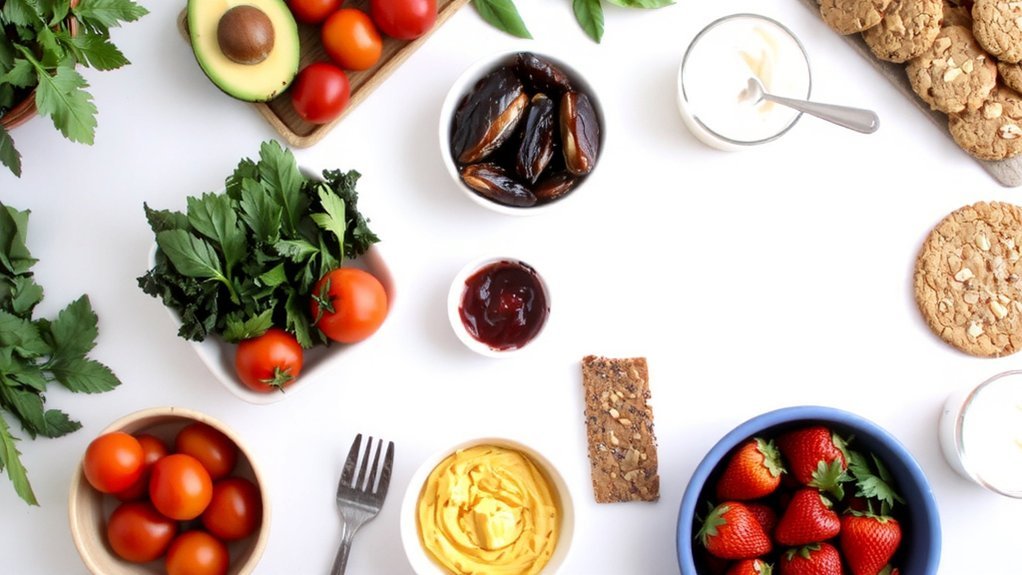
Although snacks and desserts often feel like a minefield, you can choose options that satisfy cravings while supporting your goals.
Pick whole-fruit, nut, or yogurt-based snacks and make No Bake Treats like energy balls using dates, oats, and nuts for fast, fiber-rich bite.
Swap refined-sugar sweets for dark chocolate or baked apples with cinnamon; use Spice Swaps such as cardamom or ginger to add depth without sugar.
Keep portion-sized containers of hummus with veg, roasted chickpeas, or air-popped popcorn for crunch.
For dessert, try Greek yogurt mixed with mashed banana and a drizzle of nut butter.
These simple swaps curb sugar spikes, add nutrients, and help you enjoy treats without derailing progress.
Rotate flavors weekly so you’ll keep choices interesting, affordable, and sustainable too.
Batch Cooking and Time-Saving Meal-Prep Strategies
Batch-cooking lets you reclaim weekday time by preparing multiple portions of versatile bases—grains, roasted veggies, proteins—and mixing them into different meals, so you’ll dodge last-minute cooking and cut food waste.
Set Workstation Layout and use Workflow Automation to coordinate tools and timers.
Use this quick checklist:
- Prep grains and roast veggies.
- Batch proteins and portion.
- Cool, label, and store.
- Plan two reheats per component.
Rotate flavors with sauces and fresh herbs so meals stay interesting.
You’ll save time, eat cleaner, and avoid weekday stress when you prep with intention.
Label dates and reheating instructions to protect quality and safety.
Schedule one monthly deep-clean of containers and inventory to keep your batches safe, varied, and ready all week every season too.
Shopping List, Pantry Staples, and Seasonal Picks
Start with a simple checklist of essentials you’ll use all week: whole grains (brown rice, quinoa, oats), a variety of beans and lentils, extra-virgin olive oil, vinegars, a few shelf-stable proteins (canned tuna, sardines), nuts and seeds, a selection of dried herbs and spices, and low-sodium broths. Shop seasonal produce to maximize flavor and savings. Prioritize Budget Staples with long Shelf Life so you waste less and eat fresher. Use the table below to visualize staples, seasons, and storage tips.
| Item | Seasonality | Storage tip |
|---|---|---|
| Apples | Fall-Winter | Cool, ventilated |
| Kale | Fall-Spring | Wrap in towel |
| Tomatoes | Summer | Room temp short |
| Carrots | Year-round | Cool, moist |
Keep portions practical and rotate ingredients weekly. Plan meals around promos, freeze extras, label dates, and stick to measurable shopping lists regularly.
Dietary Modifications and Allergy-Friendly Swaps
Work around common allergens by swapping ingredients that match texture and flavor so you don’t sacrifice satisfaction.
- Use fortified plant milks for Nutrient fortification
- Replace eggs with aquafaba or mashed banana
- Choose certified gluten-free grains and flours
- Label zones and tools for Cross contact prevention
Rotate substitutes to keep meals interesting and balanced.
Test small batches to confirm taste.
Buy certified products when possible and communicate needs.
Use clear storage, dedicated utensils, and cleaning rituals to protect guests.
You’ll enjoy variety while keeping flavors intact.
Consider fortified nutritional yeast, silken tofu, or sunflower seed butter to retain protein and umami, and rotate options so you maintain balance and avoid monotony.
Test recipes often and ask for feedback from diners regularly.
Conclusion
You’ve got a practical, seasonal clean-eating blueprint that makes whole-food meals doable every week. Use batch-cooking, simple swaps, and labeled portions to cut decision fatigue and food waste. Rotate breakfasts, grain bowls, and easy dinners so you’ll stay fueled, meet protein and fiber goals, and enjoy variety. Adjust servings and ingredients for allergies or goals, track what works, and tweak the plan — then keep it flexible so healthy eating becomes effortless and delicious for life.