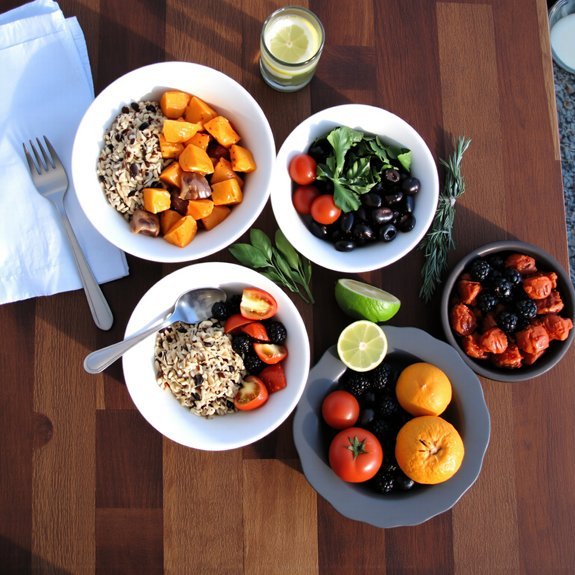

You’ll find ten targeted meal plans—from keto and Whole30 to Mediterranean, diabetic-friendly, and budget vegetarian—that include meal templates, shopping lists, prep tips, portions, timing guidance, and simple swaps. Pick one that matches your goals and lifestyle, and you’ll have a clear starting point—but the small tweaks that make a plan practical and sustainable will matter.
Key Takeaways
- Include clear diet focus and target audience in each title (e.g., “Keto Kickstart for Busy Professionals”).
- Vary timeframes and goals across titles (e.g., 7‑day, 30‑day, reset, maintenance).
- Highlight key benefits or outcomes (weight loss, inflammation reduction, performance, digestive relief).
- Reflect major dietary constraints or features (low‑carb, plant‑forward, high‑protein, gluten‑free/low‑FODMAP).
- Use concise, searchable language with power words (reset, boost, plan, guide, quick).
7-Day Keto Kickstart Meal Plan
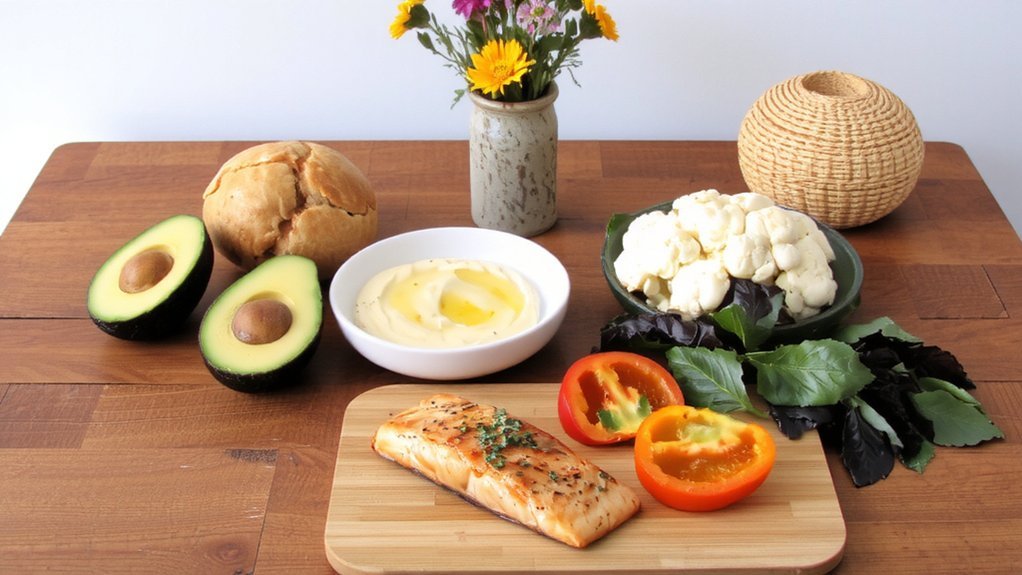
Ready to kick your body into ketosis? You’ll follow a Day Keto Kickstart Meal Plan that primes fat adaptation quickly. Start with an MCT breakfast — coffee blended with MCT oil, grass-fed butter, and a side of scrambled eggs — to fuel ketone production and steady energy.
For lunch, choose leafy greens, avocado, olives, and a fatty fish or chicken thigh dressed in olive oil. Snack on macadamia nuts or pork rinds if you’re hungry.
Dinner should be a simple plate: roasted salmon, steamed broccoli tossed in butter, and cauliflower mash. You’ll drink water, salt lightly, and track carbs to stay under your target. You’ll feel clearer, less hungry, and perform better within days usually.
Plant-Powered Weekly Meal Plan
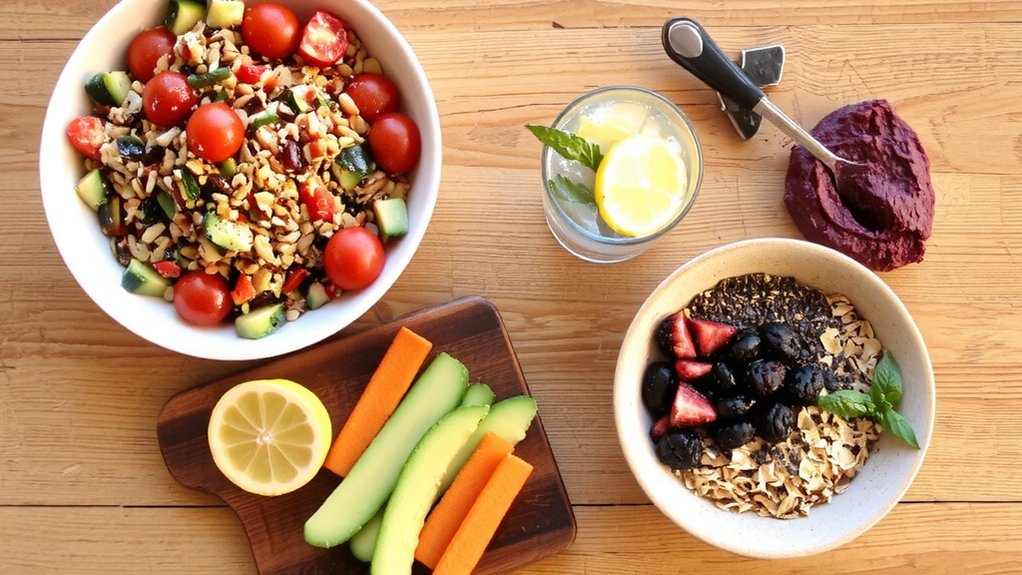
Choosing a plant-powered weekly meal plan shows you how varied, nutrient-dense meals can be simple to prepare and satisfying to eat. You’ll focus on Seasonal produce, whole grains, legumes, and nuts, using smart Flavor pairing to boost taste and nutrients. Plan breakfasts, lunches, dinners, snacks, and a batch-cook day so shopping and prep stay efficient. Rotate colors and textures so meals don’t feel repetitive. Here’s a quick template to mix and match for a week:
| Meal | Core | Tip |
|---|---|---|
| Breakfast | Oat bowl with fruit | Add nuts for protein |
| Lunch | Grain bowl with beans | Use roasted veggies |
| Dinner | Stir-fry with tofu | Combine sweet and savory |
| Snack | Hummus and veg | Prep dips in batches |
You’ll adjust portions and flavors to meet appetite and seasonal availability preferences daily.
Gluten-Free Family-Friendly Meal Plan
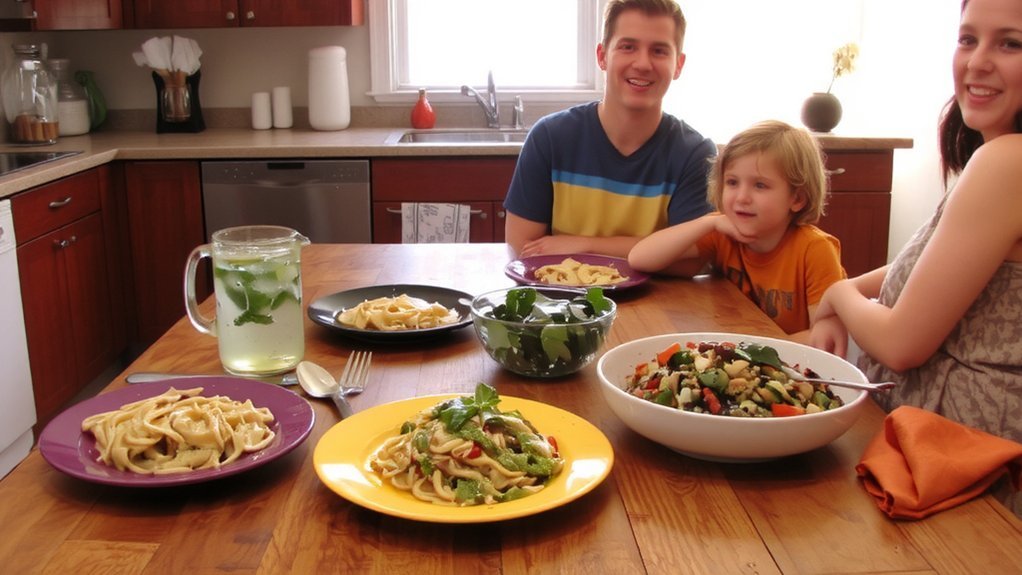
Although gluten-free eating can seem limiting, you can create a family-friendly weekly plan that’s simple, varied, and satisfying. Focus on whole foods: rice bowls, roasted veggies, grilled chicken, and naturally gluten-free breakfasts like yogurt parfaits and scrambled eggs.
Plan repeats and leftovers so you’ll save time and reduce waste. Make meals Kid Approved by offering familiar flavors, build-your-own options, and fun shapes.
Use certified gluten-free labels and learn smart Allergen Swaps — swap wheat pasta for corn or rice pasta, use oat or almond flour for baking, and choose tamari instead of soy sauce where needed. Prep snacks (fruit, cheese, rice cakes) and schedule one new recipe a week to keep everyone engaged and confident.
Rotate breakfasts and involve kids in simple prep tasks.
Mediterranean Heart-Healthy Meal Plan
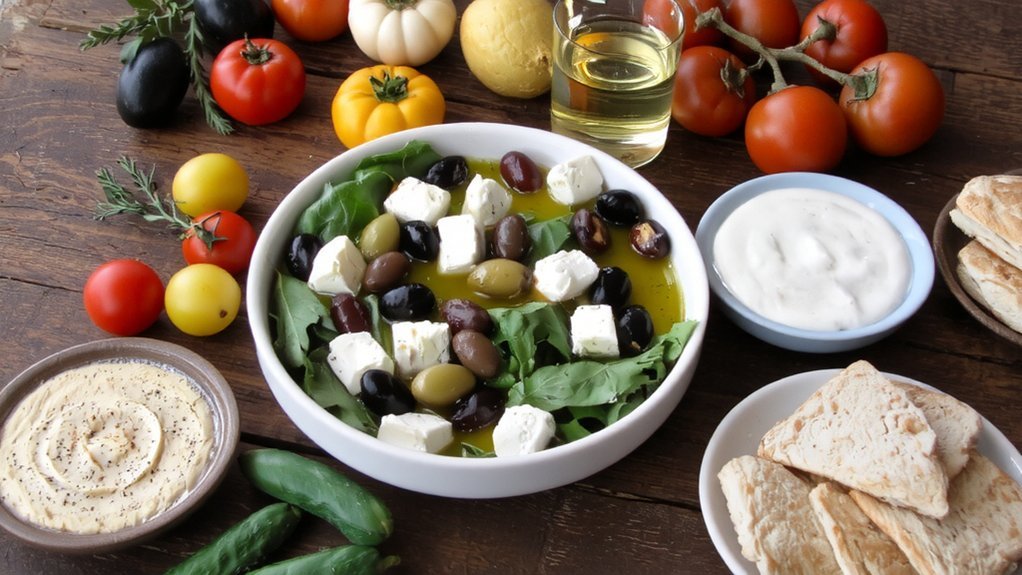
You’ll build a heart-healthy Mediterranean plan around staples like olive oil, whole grains, beans and legumes, fatty fish, fresh vegetables, fruit, nuts, and herbs.
You’ll follow a weekly meal blueprint that balances simple breakfasts, vegetable-forward lunches, lean-protein dinners, and two fish-centered meals. This approach keeps meals varied, low in saturated fat, and easy to shop and prep.
Key Mediterranean Staples
Pantry staples like extra-virgin olive oil, whole grains, legumes, fresh vegetables and fruits, nuts, seeds, and fatty fish form the backbone of a Mediterranean heart-healthy plan and deliver the fats, fiber, protein, and antioxidants your heart needs.
You’ll rely on Olive Varieties—mild arbequina, robust koroneiki, fruity picual—to dress salads, roast vegetables, and finish soups, gaining monounsaturated fats and flavor.
Embrace Mezze Traditions with hummus, tzatziki, grilled vegetables, and marinated olives for portioned, plant-forward starters that keep meals balanced.
Stock whole-grain pita, bulgur, farro, canned tomatoes, lentils, chickpeas, walnuts, almonds, sardines, and fresh herbs.
You’ll plan simple swaps: swap butter for olive oil, choose beans over red meat, and add a daily serving of colorful produce to protect your heart and enjoy meals with moderation.
Weekly Meal Blueprint
Build your week around those Mediterranean staples to simplify shopping and guarantee heart-healthy variety. Plan three core proteins (fish, legumes, chicken), five vegetables, whole grains and healthy fats.
Use a predictable shopping cadence — big shop once weekly, small fresh pickups midweek — so you won’t overbuy. Map dinners that share components: roasted vegetables, grain bowls, and pan-seared fish reuse olive oil, lemon, herbs and greens.
Keep a running pantry inventory to track canned tomatoes, olives, beans, nuts and whole grains; note expiry dates and quantities. Prep batches: cooked grains, washed greens, roasted vegetables and a protein source.
With planned leftovers and simple swaps, you’ll eat balanced Mediterranean meals all week without stress. You’ll save time, reduce waste, and protect both heart and wallet.
Diabetic-Friendly Balanced Meal Plan
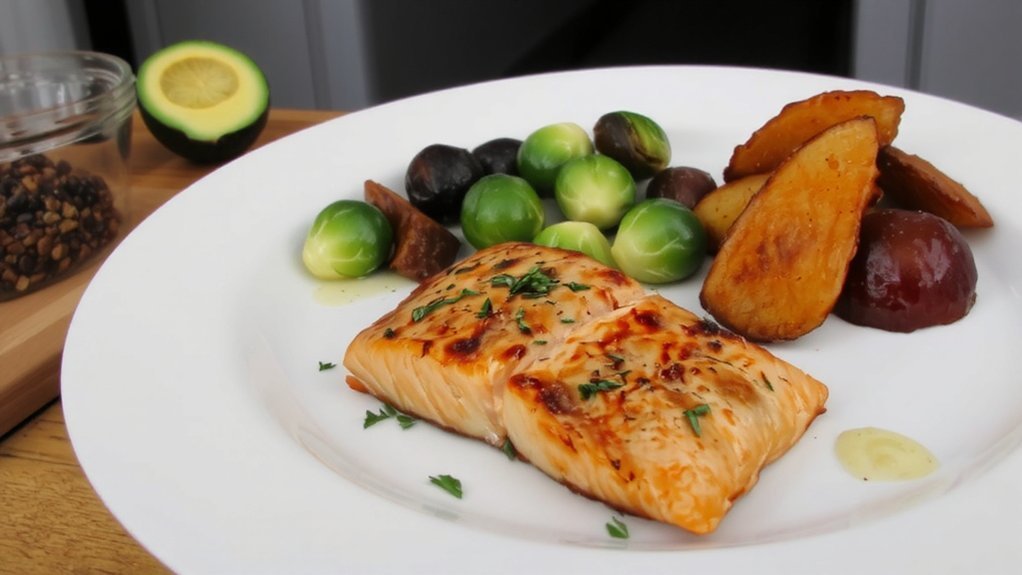
When managing diabetes, you’ll find carbohydrate counting, smart meal timing, and low‑glycemic food choices make blood sugar more predictable.
You’ll get practical carb‑counting tips and simple timing strategies to steady glucose through the day.
You can use low‑glycemic options to stay satisfied without sharp sugar spikes.
Carbohydrate Counting Tips
Tracking carbs lets you match insulin, prevent big glucose swings, and eat with confidence.
You’ll learn portion sizes, count net carbs when appropriate, and prioritize fiber-rich choices.
Use label reading, measure servings with a kitchen scale or measuring cups, and log carbs consistently.
Tracking tools like phone apps or a simple notebook speed calculations and reveal patterns.
Aim for predictable carbohydrate amounts at meals to simplify dosing, and practice estimating carbs at restaurants by comparing to known portions.
When swapping foods, convert servings so totals stay steady.
Check with your care team to confirm targets and adjustments.
Stay consistent, review your logs regularly, and adjust based on trends rather than single readings.
You’ll gain confidence as small, consistent steps improve your daily control steadily.
Meal Timing Strategies
How you time meals can make blood sugar control simpler and more predictable. You’ll use consistent meal windows, snacks, and overnight fasting that respect circadian timing and insulin sensitivity, and you’ll plan social meals to avoid big swings. Aim for regular spacing (about 3–4 hours) and match carbohydrate dosing to expected activity. If you exercise, eat a small pre- or post-workout snack to stabilize levels. Keep portion sizes consistent and use alarms or routines to reduce variability. Monitor responses and adjust timing rather than changing many variables at once. Record patterns and share findings with your care team. Small, consistent changes yield clearer data for medication or meal adjustments. And timing.
| Situation | Strategy |
|---|---|
| Regular days | 3–4 hour spacing |
| Exercise days | Snack before/after |
| Social meals | Adjust timing, portions |
Low-Glycemic Food Choices
Pairing consistent meal timing with low-glycemic choices will make blood sugar responses more predictable and help you use fewer corrective doses. Choose whole grains, legumes, nonstarchy vegetables, and intact fruits to slow glucose absorption and stabilize energy.
Combine protein and healthy fats at each meal to blunt spikes; you’ll feel fuller longer and need fewer corrections. Use Glycemic Testing to compare how specific combinations affect your levels, recording pre meal and post meal values to find patterns.
Plan simple Flavor Pairings of acid, fat, and herbs to make modest portions satisfying without added sugars. When you adjust portions, track results and tweak carbohydrates rather than eliminating them.
This approach helps you manage diabetes sustainably while enjoying balanced, flavorful meals and supports long term health.
Low-FODMAP Digestive Relief Meal Plan
If you’re managing IBS or FODMAP sensitivity, this Low-FODMAP Digestive Relief Meal Plan gives you balanced, easy-to-prepare meals that limit fermentable carbs and reduce bloating and discomfort.
You’ll get simple breakfast, lunch, dinner, and snack ideas built around low-FODMAP produce, lactose-free dairy, lean proteins, and gluten-free grains to support regular digestion.
Meals emphasize gentle fiber to nourish your Gut Microbiome without triggering symptoms, and portions help you identify tolerances.
Use Herbal Digestives like peppermint tea after meals, ginger in dressings, and fennel seeds to ease gas.
Plan templates and grocery lists make shopping and meal prep straightforward, so you can reduce flare-ups, track responses, and adjust choices based on what keeps you symptom-free.
You can personalize flavors while keeping triggers out of meals daily.
High-Protein Athlete Performance Meal Plan
You’ll set daily protein targets based on your body weight and training intensity to support muscle repair and performance.
Plan pre-workout protein meals that are easily digestible and timed 1–2 hours before training to fuel strength sessions.
After workouts, prioritize recovery meals with fast-absorbing protein and carbs to restore glycogen and kickstart muscle rebuilding.
Daily Protein Targets
How much protein do you really need to fuel training and recovery? You should aim for 1.6 to 2.2 g per kg daily, adjusting for intensity, body composition goals, and training phase.
Spread intake across 3–5 meals to maximize muscle protein synthesis; include a moderate bolus at each serving. Remember age changes demand attention — Elderly Needs commonly require higher per-meal protein to overcome anabolic resistance, so prioritize leucine-rich sources.
Monitor total calories and timing around sessions for recovery without overconsumption. Protein also helps control appetite: Satiety Effects can support body-composition goals by reducing overall energy intake.
Track protein with a simple app or food log, and consult a sports dietitian for individualized targets if you’re training heavily or managing medical conditions or illness.
Pre-Workout Protein Meals
Because timing and composition matter, aim for 20–40 g of high-quality protein 1–3 hours before training to top up blood amino acids without causing GI discomfort. You’ll choose compact, easy-to-digest options—Greek yogurt with berries, a lean turkey wrap, or a protein shake—adding taste boosters like cinnamon or lemon and texture contrasts such as crunchy nuts to make meals inviting. Keep carbs moderate to fuel work and avoid heavy fats that slow you down. Listen to your gut and adjust timing so you feel energized, focused, and ready to perform.
| Emotion | Example |
|---|---|
| Confidence | Turkey & hummus wrap |
| Comfort | Warm oats + protein |
| Anticipation | Banana + protein shake |
Experiment within limits and you’ll find simple pre-workout rituals that steady nerves and sharpen focus every single time.
Post-Workout Recovery Meals
Refueling after training matters: aim for 20–40 g of high-quality protein within 30–60 minutes to jumpstart muscle repair and pair it with 0.5–1 g/kg of carbs to restore glycogen.
You should choose lean meats, dairy, or plant proteins plus whole grains or fruit to balance macros and speed recovery.
Include a source of healthy fats for inflammation control and satiety.
Prioritize Hydration Strategies: sip fluids with sodium and potassium to replace sweat losses.
For intense sessions, use sports drinks or electrolyte tablets for Electrolyte Replenishment; for lighter workouts, water plus a salty snack often suffices.
Plan meals and snacks you’ll actually eat, time portions to training, and adjust intake by session length and intensity.
Track progress and tweak portions based on recovery and performance.
Whole30 Reset Meal Plan
When you start a Whole30 reset, you’ll focus on whole foods and eliminate added sugar, grains, dairy, legumes, and alcohol for 30 days. You’ll plan meals around vegetables, quality proteins, healthy fats, and simple seasonings. Follow elimination rules strictly to see how foods affect your energy, digestion, and mood. After 30 days, use a careful reintroduction strategy to test tolerated foods one at a time.
| Meal | Ideas |
|---|---|
| Breakfast | Eggs, sautéed greens |
| Dinner | Roast chicken, roasted vegetables |
Stick to varied, satisfying meals, prep ahead, and track reactions so you can personalize your post-reset diet. Lean snacks like nuts, olives, or fruit keep hunger manageable between meals, and drinking plenty of water supports digestion and clarity. Trust the process, note improvements, and adjust to your needs.
Budget-Friendly Vegetarian Meal Plan
After a Whole30 reset, you might want a plant-based plan that saves money without sacrificing nutrition or flavor.
You’ll focus on legumes, whole grains, frozen veggies and pantry staples to stretch meals.
Plan breakfasts like overnight oats with fruit, lunches of hearty bean salads, and dinners of grain bowls with roasted seasonal vegetables.
Use Bulk Shopping for rice, lentils, nuts and seeds to cut costs and reduce trips.
Buy Seasonal Produce to maximize taste and value; freeze extras for soups and stews.
Prep once, cook twice: batch-cook beans, grains and sauces so you can assemble varied meals all week.
Keep spices, vinegar and citrus on hand to add brightness without adding expense.
Swap pricier items for seasonal greens and smart swaps to stretch budget.
Anti-Inflammatory Meal Plan
Focusing on whole, minimally processed foods helps lower chronic inflammation and supports overall recovery, and you’ll build meals around fatty fish or plant-based omega-3 sources, colorful vegetables and berries, nuts and seeds, whole grains, and anti-inflammatory spices like turmeric and ginger. You’ll favor anti-inflammatory fats, fiber, and antioxidants, and you’ll plan meals that rotate Turmeric Pairings with citrus, black pepper, and healthy oils. Focus on Seasonal Produce to maximize nutrients and variety. Sample plan:
| Meal | Key Ingredients | Tip |
|---|---|---|
| Breakfast | Oat, berries, walnuts | Add turmeric + black pepper |
| Lunch | Salmon, quinoa, spinach | Use lemon, olive oil |
| Snack | Yogurt, chia, turmeric | Stir with honey |
| Dinner | Lentil stew, kale, ginger | Roast seasonal produce |
Prep simple batches, keep spices handy, and adjust portions to your needs and goals.
Conclusion
You’ve got ten focused meal plans that make eating for goals doable and delicious. Pick a keto, plant‑powered, gluten‑free, Mediterranean, diabetic‑friendly, high‑protein, Whole30, budget vegetarian, or anti‑inflammatory route, use the templates, shopping lists, and swaps, and prep once to save time. You’ll manage symptoms, hit performance targets, and stick to a budget or allergy needs. Start one plan, track progress, and adjust as you learn what works for you, and celebrate small wins daily, regularly.