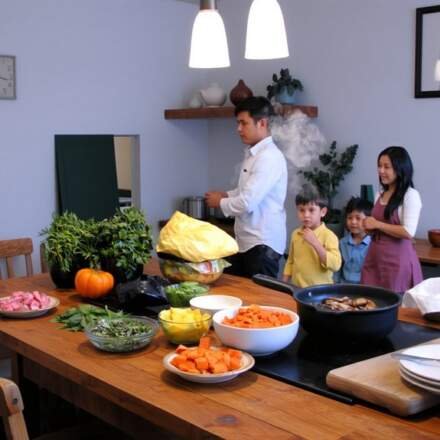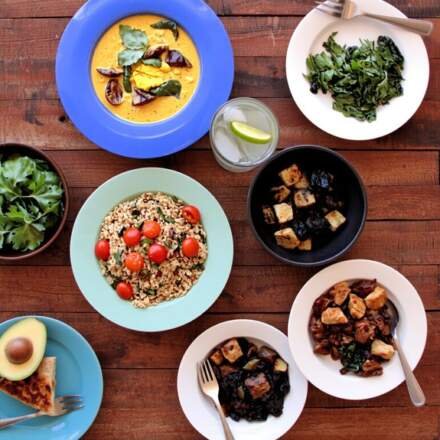

You’ll find eight focused meal-plan approaches that make family life easier. They cover kid-approved favorites, one-pan dinners, budget menus, speedy 30-minute meals, vegetarian swaps, parent-focused prep, active-family nutrition, and leftover remixing. They cut waste, save time, and calm weeknight chaos—so keep going to pick the one that fits your household…
Key Takeaways
- Focus each title on a clear benefit (time savings, freezer meals, school lunches, portion control) to attract busy families.
- Use simple, searchable keywords like “meal prep,” “batch cooking,” “family meals,” and “weekly plan” for SEO clarity.
- Specify audience or occasion (e.g., “Busy Parents,” “Kid-Friendly,” “Weeknight,” “Vegetarian”) to improve relevance.
- Include practical cues (prep day, servings, freezer-friendly) to set expectations and boost click-throughs.
- Keep titles concise (5–7 words), actionable, and consistent in format for easy scanning and brand cohesion.
Kid-Approved Weekly Favorites
Want dinners that actually get eaten? You can build a kid approved weekly favorites plan that keeps meals familiar but fresh. Pick staples like pasta, tacos, grilled chicken, and soup and rotate them with surprises so hunger doesn’t breed rejection.
Use theme nights like Taco Tuesday or Pizza Friday to set expectations, and involve kids in choosing toppings or sides. Keep portions manageable, offer one new ingredient with a known favorite, and serve colors separately so picky eaters control combinations.
Try fun plating to make meals playful: bento-style compartments, smiley faces, or build-your-own stations. You’ll reduce mealtime battles, teach choices, and still save time by repeating trusted recipes across the week. You’ll notice calmer evenings, happier eaters, and a simpler grocery routine every week.
One-Pan & Sheet-Pan Dinners
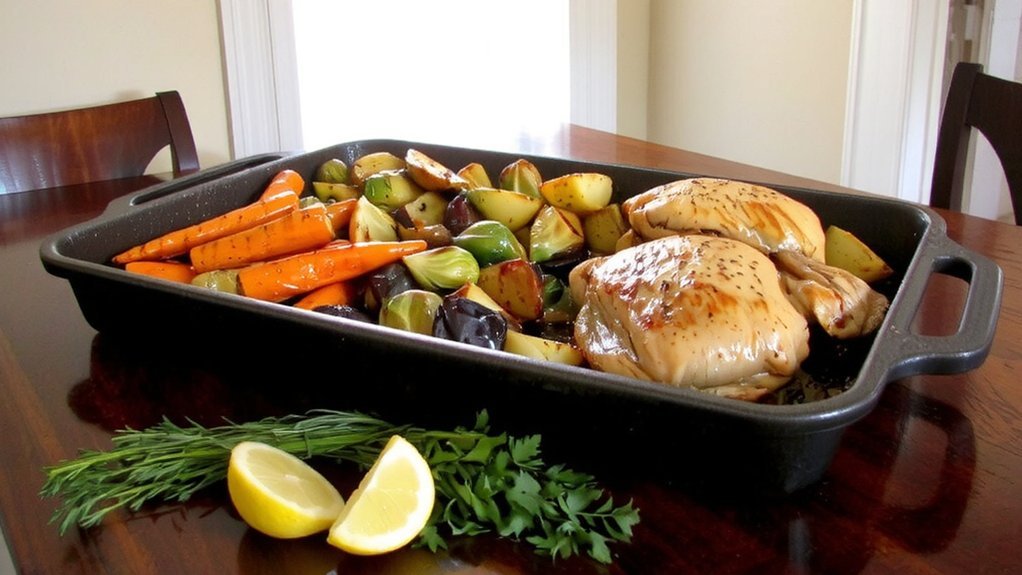
Roasting everything together simplifies weeknights: you toss protein, vegetables, and seasonings on a single pan, slide it into the oven, and get a full meal with minimal cleanup.
You’ll love how one-pan dinners let you control textures by spacing items for even heat distribution and timing. Choose sturdy pans, line them for quick pan maintenance, and avoid overcrowding so edges crisp.
Swap proteins and veg for variety, but keep sauces to the side until near the end to prevent sogginess. These dinners feel comforting, effortless, and satisfying when you see a golden sheet come out of the oven.
- Comfort of home
- Relief at cleanup
- Pride in feeding loved ones
Use simple seasoning and relish the quiet joy of shared meals tonight.
Budget-Friendly Family Menus
When you plan meals around versatile ingredients, you’ll feed your family well without overspending. You can stretch staples like rice, beans, and seasonal veggies into several dinners, and you’ll save by using Grocery Coupons and doing a Price Comparison before you shop. Rotate proteins and bulk-cook to cut prep time and waste. Keep a simple list, reuse sauces, and repurpose leftovers into soups or bowls. Below is a sample weekly blueprint to inspire swaps.
| Day | Base | Affordable Add-on |
|---|---|---|
| Mon | Rice and beans | Roasted carrots |
| Tue | Pasta | Canned tomatoes |
| Wed | Stir fry veggies | Tofu |
| Thu | Soup | Bread |
You’ll also plan meals around sales cycles and bulk finds to maximize value. Stick to staples, track sales, and your family menu will stay both satisfying and budget-friendly.
Quick 30-Minute Weeknight Meals
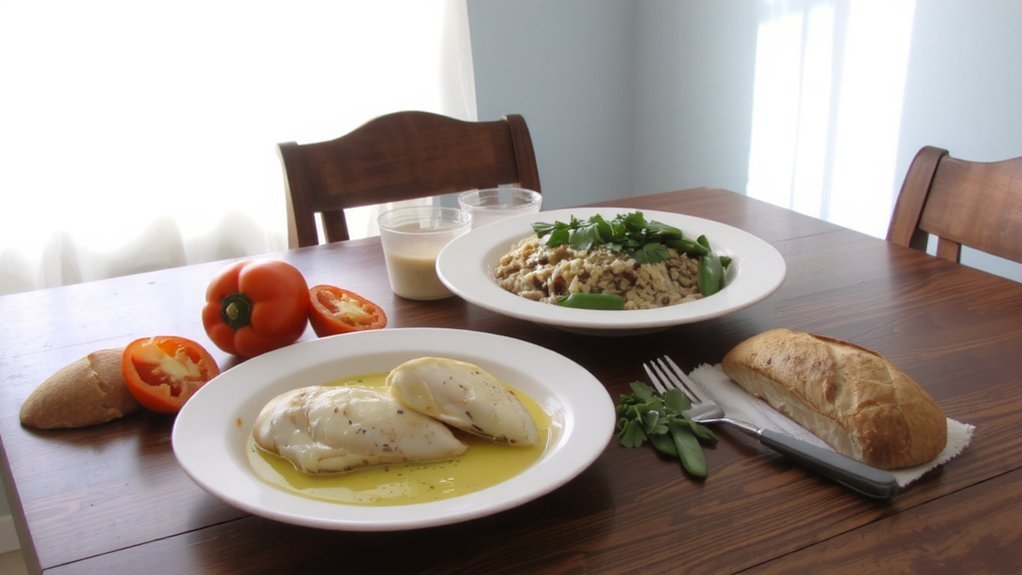
How can you get a delicious dinner on the table in 30 minutes without stress? You’ll rely on simple proteins, one-pan techniques, and bright flavors.
Prep a few Spice Blends ahead, whisk Quick Marinades for meat or fish, and multitask: roast while you sauté.
Shortcuts like pre-chopped veggies and microwave grains save time without sacrificing taste. Keep pantry sauces and citrus on hand for instant brightness.
Rotate easy templates—stir-fry, sheet-pan, skillet pasta—to avoid decision fatigue and keep family smiles.
- Relief when dinner’s ready.
- Joy in shared bites.
- Pride in quick skills.
You can win.
Vegetarian Swap & Flex Meals
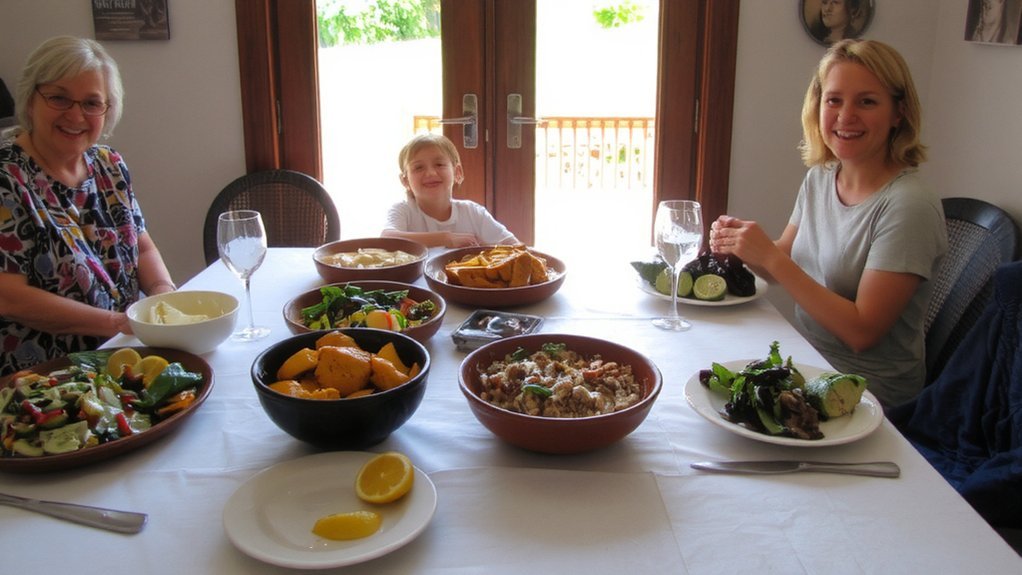
Swapping animal proteins for plants is an easy way to stretch recipes and please mixed-diet households: use beans, lentils, firm tofu, tempeh, mushrooms, or hearty grains to replace meat while keeping the same sauces, spices, and techniques you already use. You’ll swap ground beef for lentils in tacos, or trade chicken for marinated tempeh in stir-fries, using Protein Alternatives that match texture and cooking time.
Focus on Flavor Pairings—acid, salt, fat, and heat—to make plant dishes pop. Balance meals with a hit of umami from soy, miso, or roasted mushrooms, and add crunchy greens or toasted seeds for contrast.
Test one swap per recipe so your family adapts easily and meals stay satisfying. Rotate proteins weekly to keep variety, reduce boredom, boost nutrition continually.
Meal Prep for Busy Parents
You’ll streamline mornings with quick family breakfasts like overnight oats or egg muffins.
You’ll pack stress-free make-ahead school lunches using compartmentalized containers and simple snacks.
Batch-cooking dinners on weekends means you’ll have ready-to-reheat meals that free up weeknight time.
Quick Family Breakfasts
Often mornings feel chaotic, but prepping quick family breakfasts ahead makes weekdays calmer and gets everyone fed fast.
You can assemble simple trays or batch favorites; try:
- Yogurt, granola, fruit — comfort for sleepy kids.
- Overnight oats in jars — creamy, portable hugs.
- Egg muffins, batch-baked — warm hands, full tummies.
Rotate seasonal smoothies to use fresh produce, and set out coffee pairings so grown-ups grab a cup.
Plan five-minute tasks the night before: lay out dishes, chop bananas, pre-measure cereal.
Involve kids with easy steps so they feel capable and mornings flow smoother.
Keep a visible checklist and stash emergency snacks for unexpected delays.
They reduce stress, cut fatigue, and help you start the day nourished.
Make-Ahead School Lunches
When mornings get hectic, preparing school lunches ahead saves you time and stress while making sure kids eat well.
Pack balanced containers the night before: protein, fruit, veggies, whole grains, and a treat. Use portioned bento boxes or mason jars to keep components fresh and appealing.
Label each container with contents, date, and clear allergen labeling so caregivers and teachers know what’s inside. Rotate menus weekly to avoid boredom and freeze individual portions of safe snacks you can thaw quickly.
Opt for reusable containers and sustainable packaging — beeswax wraps, cloth sandwich bags, and compostable liners — to cut waste. Keep a simple checklist on the fridge so you can fill lunches fast and confidently each evening. You’ll save time and calm the morning chaos today.
Batch-Cooking Dinners
Batch-cooking dinners lets you turn one afternoon into several weeknight meals, cutting stress and reclaiming family time. You’ll plan menus that finish in portions, label containers, and schedule a Crockpot Rotation for slow-simmered options.
Focus on simple recipes that offer Flavor Variations so picky eaters find favorites.
- You’ll feel relief when a ready meal replaces frantic cooking.
- You’ll share relaxed evenings instead of rushed plates.
- You’ll save money and savor homemade comfort.
Use one prep session to roast, simmer, and assemble components. Freeze portions for emergencies, keep an inventory list, and rotate meals weekly.
You’ll spend less time cooking and more time connecting. Trust your process, tweak seasonings, and celebrate small wins with leftovers that feel intentionally made and loved daily.
Active Family Balanced Nutrition
Fueling an active family’s day means balancing protein, quality carbs, healthy fats, and plenty of vegetables so everyone gets steady energy and recovers well. You plan meals that support workouts, school days, and play, and you use Hydration strategies to prevent fatigue. Prioritize Snack timing for mini refuels and choose simple combos: fruit+protein, yogurt+granola, or nuts+cheese. Pack colorful veggies and whole grains, and rotate lean proteins so meals stay exciting. Keep portions age-appropriate and listen to hunger cues. Below is a quick emotional checklist to remind you why this matters:
| Focus | Feeling |
|---|---|
| Protein | Strength |
| Veggies | Vigor |
| Hydration | Clarity |
| Snacks | Comfort |
You’ll notice better moods, quicker recoveries, and calmer evenings when you combine smart meals with consistent Hydration strategies and sensible Snack timing daily routines.
Leftover Remix & Batch Cooking Strategies
You can save time with a weekly batch cooking plan that preps staples and bases for the week.
Then you’ll use creative leftover transformations to turn last night’s roast or grains into soups, tacos, or casseroles.
Finally, learn simple portioning and freezing methods so meals reheat well and you always have family-sized servings ready.
Weekly Batch Cooking Plan
When you set aside one afternoon to prep, you’ll turn a few big recipes into a week’s worth of varied meals. Use seasonal planning to choose produce and prioritize an equipment checklist so you won’t waste time hunting tools. You decide recipes that share components — a roasted chicken, grain, and versatile sauce — then batch-cook and portion for freshness.
Label containers with day and reheating notes, freeze extras, and schedule a midweek refresh. You’ll feel relieved watching dinners assemble quickly and proud of the savings. Rotate flavors often to avoid boredom and keep everyone interested.
- Comfort: warm, familiar meals that soothe after busy days.
- Pride: visible results of your effort, saving money and time.
- Relief: weeknight stress drops when dinner’s already done.
Creative Leftover Transformations
Transforming yesterday’s roast, grains, and roasted veg into new meals saves time and keeps dinners interesting. You’ll practice Leftover Artistry by reimagining textures: shred protein for tacos, crisp grains into patties, repurpose roasted veg into vibrant sauces or salads.
Plan quick assemblies and swaps so meals feel fresh—switch spices, add acid, or fold in fresh herbs. Focus on smart Flavor Pairings: citrus with fennel, cumin with sweet potato, soy and sesame with cabbage.
Label ideas on a board so you mix and match confidently during the week. Rotate formats—wraps, bowls, frittatas, soups—to avoid repetition.
You’ll minimize waste, simplify prep, and deliver varied family dinners without extra cooking time. Trust your instincts, experiment often, and your weekly menu will stay exciting with minimal daily effort.
Portioning and Freezing Methods
Portioning smartly lets you turn big-batch cooking and leftover remixing into grab-and-go meals without waste.
You’ll label containers with dates and portion guidelines, so meals stay fresh and choices feel simple.
Use silicone trays or single-serve containers to freeze portions fast, preventing texture loss.
When reheating, follow safe thaw techniques: thaw overnight in the fridge, use cold-water baths for faster results, or cook from frozen when appropriate.
These habits save time and soothe mealtime stress.
Label meals with reheating instructions and portions to calm rushed evenings.
Rotate older meals forward so family rediscovers favorites and you cut costs every single week.
save more.
- Rediscover comfort in a ready-made bowl.
- Feel proud trimming food waste away.
- Enjoy calm mornings with prepared dinners.
Conclusion
You’ll find these eight Family & Lifestyle Meal Plans make busy weeks calmer and dinners easier. You’ll prep once, mix-and-match labeled portions, and pull together kid-approved favorites, sheet-pan meals, budget menus, quick 30-minute dinners, vegetarian swaps, and balanced options for active days. You’ll use leftovers smartly, save money, and cut waste while restoring routine. With the equipment checklist and reheating tips, you’ll feel confident batch-cooking for the whole family and evenings simpler and happier together.