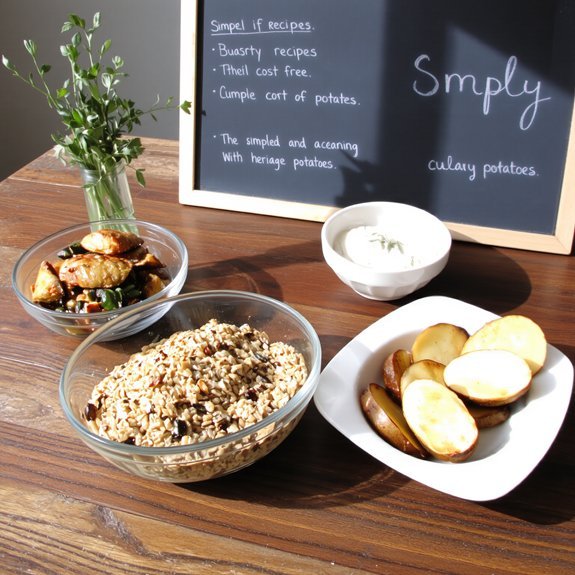

You can eat well on a tight budget without bland meals or constant takeout. By prioritizing seasonal produce, versatile staples, and simple batch-cooking tricks, you’ll stretch every dollar and cut waste. This plan shows practical grocery strategies, pantry builds, and quick recipes that free up time and money — and a few unexpected flavor tricks you’ll want to try.
Key Takeaways
- Set a clear monthly grocery budget, break it into weekly limits, and track every receipt to spot overspending quickly.
- Shop seasonally and buy staples in bulk (rice, pasta, beans, canned tomatoes) to lower costs and increase meal flexibility.
- Build plant-forward, one-pot meals combining grains, legumes, and roasted vegetables for nutrition, volume, and minimal cleanup.
- Batch-cook proteins, grains, and sauces, portion and freeze meals with labels to reduce waste and save time.
- Use store apps, loyalty coupons, unit-price comparisons, and markdowns; share bulk buys to stretch savings further.
Why a Frugal Meal Plan Works in 2025–2026
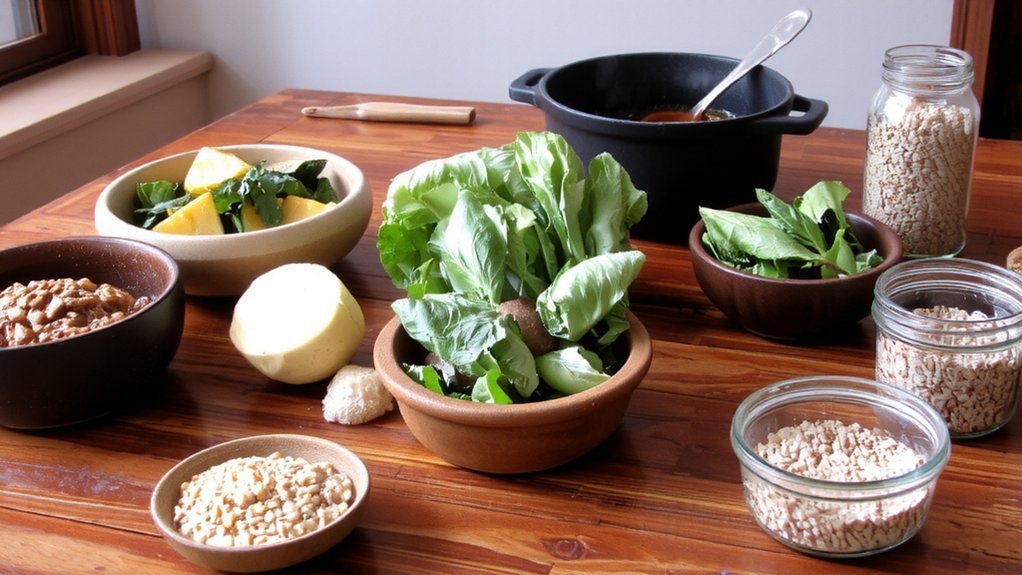
Because food prices and economic uncertainty stayed elevated into 2025–2026, sticking to a frugal meal plan gives you predictable costs and more control over what you eat.
You’ll prioritize versatile staples, seasonal produce, and bulk buys that reduce waste and serve as an inflation hedge while keeping meals flavorful.
You’ll plan recipes that reuse ingredients across dishes, cutting shopping trips and simplifying prep.
You’ll lean on home-cooked meals, smart substitutions, and preserved items to balance nutrition and cost without sacrificing taste.
You’ll also lower your environmental footprint: minimizing animal products, choosing local options, and reducing packaging delivers a clear sustainability boost.
Overall, a frugal meal plan sharpens your choices, preserves your pantry, and sustains delicious, affordable eating.
You’ll feel calmer about monthly food decisions.
Setting a Realistic Grocery Budget and Tracking Spending
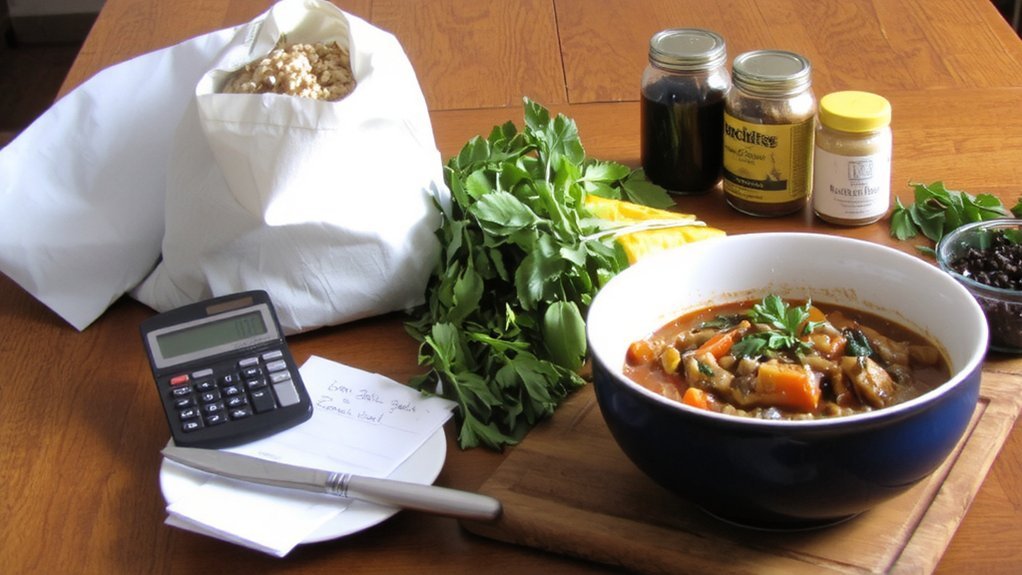
Starting with a clear grocery budget makes your frugal meal plan actionable: set a realistic monthly target based on household size, local prices, and dietary needs.
Break it into weekly amounts, and track every purchase so you can spot overspending and adjust before it adds up.
- Track purchases
- Save receipts
- Review weekly totals
Use a spreadsheet or simple app for receipt organizing and to monitor trends.
Understanding spending psychology helps; you’ll resist impulse buys more often.
Tweak weekly allocations, keep a small buffer, and compare planned versus actual spend monthly.
Set bank alerts, review categories that creep up, swap pricey items for staples when needed, and you’ll celebrate progress to reinforce habits and free up funds for treats without derailing your plan.
Seasonal Shopping and Picking the Best Deals
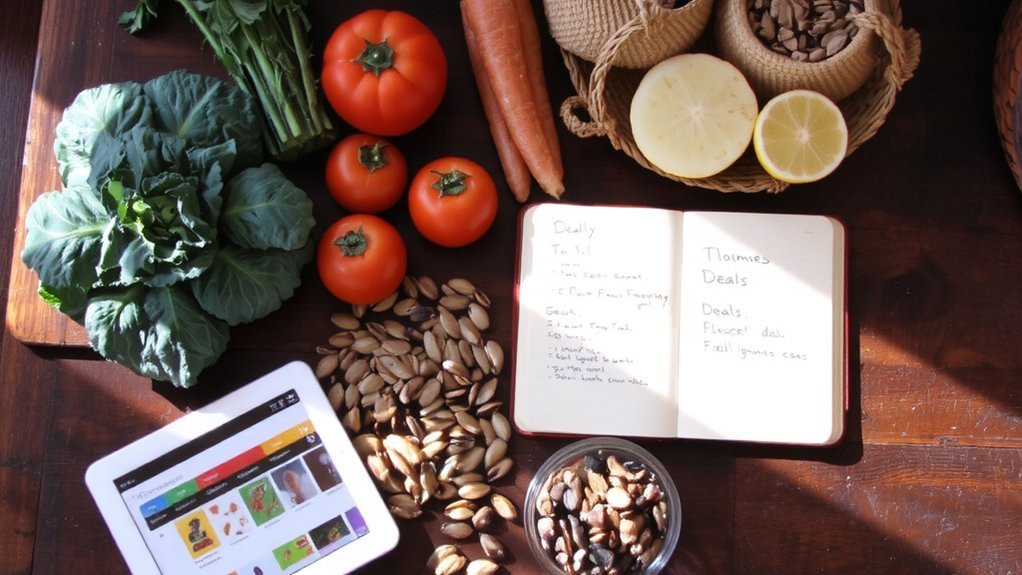
Often you’ll save money and eat better when you shop seasonally, since produce is cheaper, fresher, and more plentiful at peak times.
Use local Crop Calendars to know what’s ripe and when; that helps you plan menus and avoid overpriced out-of-season items.
Visit farmers’ markets and Harvest Festivals to score bargains, sample quality, and build relationships with growers who’ll tip you to deals.
Buy in bulk when a short-term surplus drops prices, then preserve what you can’t eat quickly—freezing, pickling, or sharing with friends.
Compare unit prices at stores, chase weekly ads, and prioritize versatile ingredients that stretch meals.
When you align shopping with seasons, you’ll cut costs and enjoy better flavor without extra effort. Plan simple recipes around those peak ingredients regularly too.
Building a Versatile, Budget-Friendly Pantry
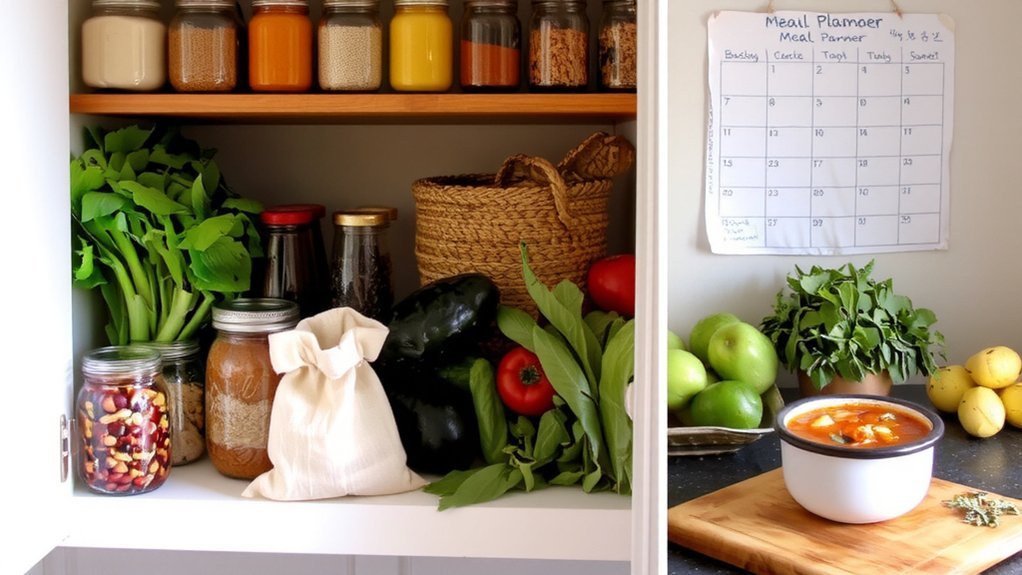
You’ll build a versatile pantry by stocking long-lasting staples like rice, dried beans, canned tomatoes, and versatile spices.
Add affordable protein options—canned tuna, lentils, eggs, and shelf-stable tofu—to keep meals filling without breaking the bank.
Then learn simple tricks to stretch ingredients—turn a little meat into several meals, bulk up soups with grains, or transform leftovers into new dishes.
Staples to Always Stock
Why keep a few reliable staples on hand? You save time, reduce waste, and handle surprises — from quick dinners to minor emergencies; pack cleaning staples and a basic first aid kit alongside food items.
Stock versatile grains, canned tomatoes, and dried beans for fast, filling meals. Rotate items by expiry and shop sales.
- Grains & starches: rice, pasta, oats — base for many dishes.
- Flavor builders: salt, pepper, broth cubes, canned tomatoes, dried herbs.
- Baking & pantry odds: flour, sugar, oil, beans — multipurpose and long-lasting.
Buy bulk for staples you use often, portion and freeze to extend life, and keep a simple checklist so you won’t run out. Label containers, note purchase dates, and prioritize versatile items that save money and time daily.
Affordable Pantry Protein Picks
After stocking grains and flavor builders, add protein-rich pantry items that stretch meals and money. Choose canned beans, lentils, canned fish and nuts; they store well and cook fast. Watch for Ethical Sourcing claims and practice Label Literacy so you pick nutrient-dense, low-sodium options. Buy dried legumes in bulk, rotate stock, and freeze opened cans of fish if needed. Mix proteins into salads, soups, and rice bowls for fast nutrition without waste.
| Item | Protein (per serving) | Tip |
|---|---|---|
| Canned beans | 7g | Rinse to cut sodium |
| Dried lentils | 9g | Soak or quick-cook |
| Canned tuna | 20g | Choose sustainably labeled |
| Peanut butter | 8g | Store in cool place |
You’ll save money and eat better with simple planning daily.
Stretching Ingredients Creatively
When you plan around a few multipurpose staples—rice, canned tomatoes, beans, a jar of stock, and versatile spices—you’ll turn modest buys into many different meals.
You’ll learn to stretch ingredients creatively: bulk grains become bowls, sauces, and stuffing; beans transform into dips, burgers, and stews.
Use Texture contrast—crispy shallots, creamy beans, tangy pickles—to make simple plates feel composed.
Try Fermentation tricks like quick pickles or yogurt brines to add depth without extra cost.
Rotate small flavor boosters—garlic oil, chili paste, citrus zest—to reinvent repeats.
Your pantry should prioritize shelf stability, portion control, and cross-use.
Follow these starter strategies:
- Batch-cook a base grain.
- Make a versatile tomato sauce.
- Preserve leftovers as condiments.
You’ll save money and eat better via simple habits daily.
Smart Bulk Buying, Freezing, and Storage Techniques
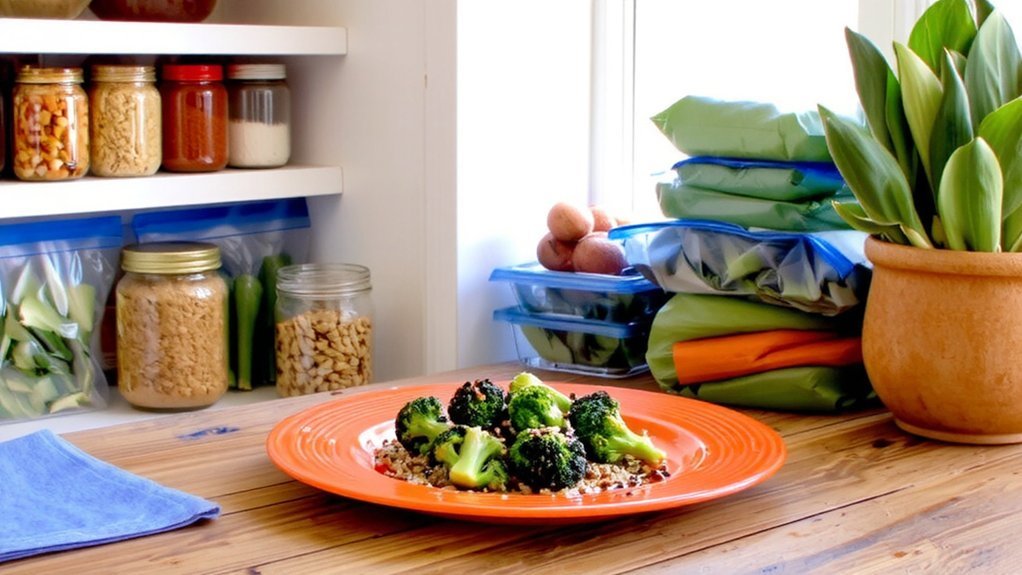
Stock up smart and you’ll cut costs without wasting food.
Buy staples in bulk, prioritize items with long shelf life, and use vacuum sealing for meats, breads, and prepped portions.
Freeze soups, sauces, and cooked grains in meal-sized containers, labeling dates so you rotate stock.
Use airtight jars for dry goods and keep root cellaring techniques for hardy vegetables like carrots and potatoes.
Portion before freezing to avoid thawing and refreezing.
Track inventory with a simple list on your fridge and plan meals around what’s oldest.
When bulk buys are too large, split with friends or freeze half immediately.
These habits lower waste, save money, and keep your kitchen organized.
Check sales cycles and buy extra during promotions to stretch your budget further today.
Plant-Forward Recipes That Stretch Ingredients
You can save time and money with one-pot plant meals that combine grains, beans, and seasonal vegetables into a single hearty dish.
They cut cleanup and let flavors meld while stretching expensive proteins across multiple servings.
Use vegetable-based flavor boosts—roasted carrots, caramelized onions, umami-rich mushrooms, or concentrated tomato paste—to add depth without meat.
One-Pot Plant Meals
Three or four pantry staples and a handful of seasonal vegetables make hearty one-pot plant meals that stretch your grocery budget.
You’ll simmer grains, legumes, and bits of produce into meals that feed more and waste less.
- Aromatics first
- Sturdier veggies next
- Quick greens last
Presentation Tips matter — ladle into shallow bowls, and wipe rims, and add simple Table Garnishes like lemon wedges or chopped herbs to lift looks.
Plan portions so leftovers become next-day lunches.
When spicing, keep measurements modest and taste as you go; you can always add more.
Clean-up’s easier, so you’ll save time and energy.
Try one-pot chili, lentil stew, or rice-and-bean skillet for dependable, budget-friendly dinners.
You’ll enjoy comforting meals that don’t break the bank.
Vegetable-Based Flavor Boosts
After mastering one-pot meals, look to vegetable-based flavor boosts to make modest ingredients sing and stretch further.
You’ll use Umami Vegetables like mushrooms, tomatoes, and roasted carrots to add depth without costing much.
Thin slices or purées carry flavor through soups, stews, and grains so small amounts go a long way.
Fermented Vegetables—kimchi, sauerkraut, miso-based relishes—bring acidity, salt, and complexity that reduces need for meat or expensive spices.
You’ll concentrate scraps into broths, roast peels into chips, and blend cooked veg into creamy sauces that bulk meals affordably.
Plan weekly batches, freeze portions, and taste as you season.
With simple technique and pantry staples, you’ll stretch produce into satisfying, wallet-friendly dishes.
You’ll save money and eat better by prioritizing plants and smart preservation daily.
Quick, Low-Cost Meals for Busy Weeknights
Many weeknights demand dinner that’s fast, cheap, and satisfying; this section shows simple recipes and strategies to get meals on the table in 20–30 minutes without breaking your budget. You can rely on Microwave Meals and one-pot stovetop recipes for minimal cleanup and speed.
Keep versatile staples like eggs, canned beans, frozen vegetables, rice, and pasta on hand. Rotate a few go-to builds so you won’t overthink dinner.
- Scrambled eggs over microwaved rice with sautéed spinach and soy.
- Bean and corn quesadillas with salsa and a side salad.
- One-pan chicken, bell pepper, and tomato served with quick-cook couscous.
You’ll save time and money while eating well on hectic nights. Use pantry swaps and seasonings to keep variety without extra cost or effort.
Batch Cooking, Meal Prep, and Leftover Hacks
If you’re already keeping staples for quick weeknight meals, batch cooking and smart meal prep will multiply that convenience.
Set one cooking day to prepare proteins, grains, and roasted veg, then cool and portion immediately.
Use a Labeling System for date, contents, and reheating instructions so you eat in safe order.
Adopt a Portion Strategy: package family dinners, work lunches, and single servings separately to avoid waste and decision fatigue.
Repurpose leftovers into new meals—turn roast chicken into tacos, grain bowls, or soup—so flavors stay fresh.
Keep a simple rotation of sauces and spices to change profiles without extra effort.
Stick to straightforward recipes that reheat well and you’ll save time and money all week.
Freeze surplus portions for emergencies or very busy evenings.
Using Apps, Coupons, and Store Strategies to Save More
When you combine store apps, coupons, and smart shopping tactics, you’ll cut grocery bills without sacrificing meals.
Use store apps to load digital coupons, track weekly deals, and set price-drop alerts.
Watch for Privacy concerns and limit permissions; consider a secondary email to reduce Data sharing.
Scan loyalty programs for personalized discounts, but compare unit prices before you buy.
Plan a shopping list from matched sales and coupons to avoid impulse buys.
Bring reusable bags to avoid small fees and pick up markdowns near closing time.
Use cashback apps and browser extensions for extra savings.
- Stack digital and paper coupons.
- Buy in-season, bulk where it saves.
- Redeem rewards before they expire.
Stick to the list and you’ll save consistently and wisely.
Adapting the Plan for Families, Singles, and Special Diets
You can scale recipes and grocery lists up or down so you’ll avoid waste and hit your budget whether you’re feeding a crowd or cooking for one.
Use batch cooking and bulk buys for families, and simple one-pot or single-serving techniques for singles.
For special diets, swap cost-effective ingredients—beans for meat, cauliflower rice for grains, or gluten-free oats—so you keep flavor without overspending.
Scaling for Family Size
Although household sizes vary, this plan scales easily—just adjust ingredient quantities, batch sizes, and per-meal servings to match your needs, whether you’re feeding one person, a family of four, or accommodating special diets.
Use Portion Labels on containers and keep an Equipment Inventory so you know what pot sizes and storage you have.
Cook larger batches when cost-per-serving falls, then portion and freeze.
- Double recipes for 4+ people and halve for singles.
- Label portions with meal name, date, servings.
- Track pans, storage bags, and freezer space.
You’ll save time and money by planning batch sizes, rotating meals, and matching recipes to your available equipment.
Review labels weekly and adjust servings based on appetite and schedule.
Make small tweaks each week now.
Special-Diet Ingredient Swaps
If someone in your household needs gluten-free, dairy-free, vegetarian, or low‑sodium options, simple ingredient swaps keep the frugal meal plan intact. You can replace wheat pasta with lentil or rice pasta, swap dairy with fortified plant milk, and use beans or tofu for protein. Focus on Texture swaps and Aroma substitutes to preserve satisfaction: crisp roasted veggies, umami-rich mushrooms, citrus and herbs. Plan batch swaps so you only buy a few specialty items. Use the table for quick ideas.
| Replace | With | Tip |
|---|---|---|
| Wheat pasta | Lentil/rice pasta | Cook al dente |
| Cow milk | Oat/soy milk | Choose fortified |
| Butter | Olive oil or vegan spread | Use sparingly |
| Salt | Herbs, citrus | Boost aroma |
You’ll save money and taste. Adjust portions and shop sales to stretch special-diet staples easily further.
Conclusion
You can cut grocery costs without giving up flavor by planning around seasonal produce, stretching proteins with plant-based dishes, and batch-cooking staples like grains and legumes. Set a realistic budget, track spending, and use bulk buys, freezing, and apps to grab deals. Rotate leftovers, learn simple umami tricks, and tweak portions for your household. With small habits—shopping smart, prepping once, eating well—you’ll save money and enjoy better meals year-round. Keep experimenting with flavors and swap ingredients based on sales to stay flexible.