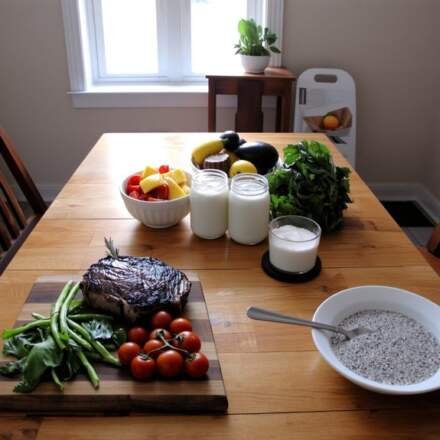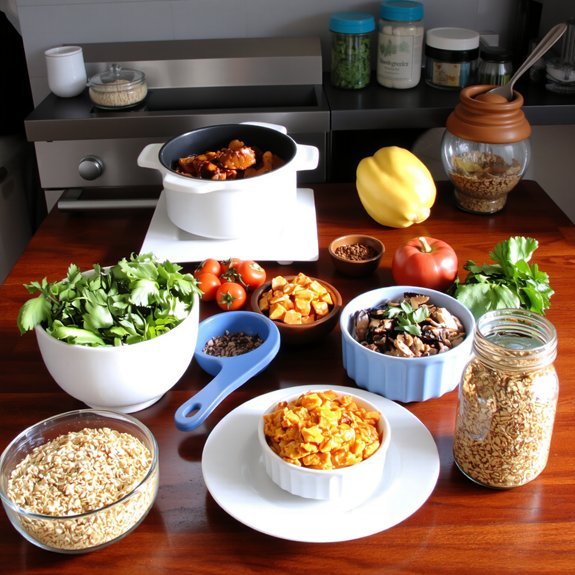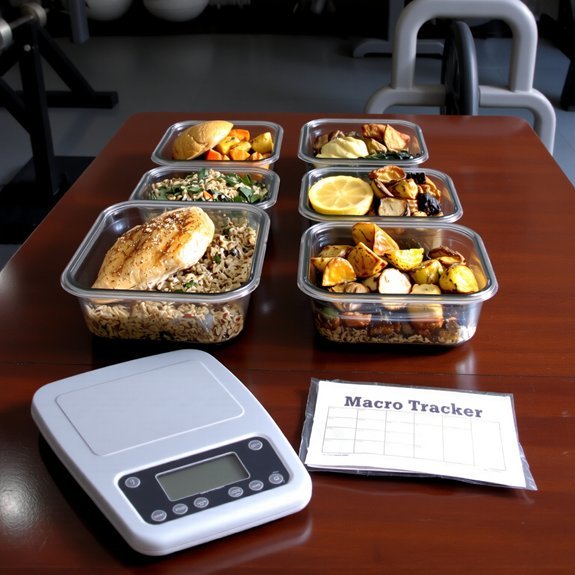
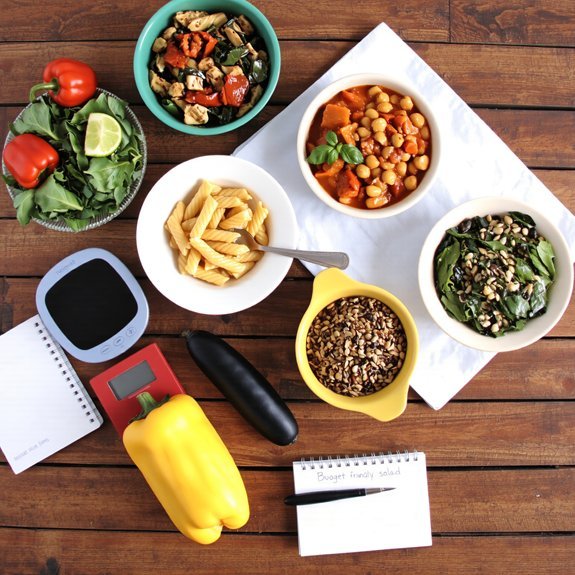

You can eat well all week without breaking the bank by building dinners around cheap staples and seasonal produce. This plan gives seven $5 meals, a smart grocery list, and swaps to trim costs and waste. You’ll learn simple batch tricks and flavor boosters that make leftovers feel fresh—here’s how to shop, cook, and save efficiently…
Key Takeaways
- Plan dinners as a weekly map using versatile staples, seasonal produce, and stretchable proteins to hit nutrition and save money.
- Build a grouped shopping list with quantities, aisle order, and flexible swaps to exploit sales and avoid duplicate buys.
- Rotate seven $5 dinner recipes (beans, lentils, rice, pasta, eggs, frozen veg) and swap proteins or canned/frozen items to cut costs.
- Batch-cook bases, portion and freeze meals with labeled dates to save time, reduce waste, and preserve weekly variety.
- Stock pantry flavor boosters (canned tomatoes, broth, vinegar, soy sauce, spices) to lift cheap meals without extra cost.
Budget-Friendly Meal Plan Overview and Goals
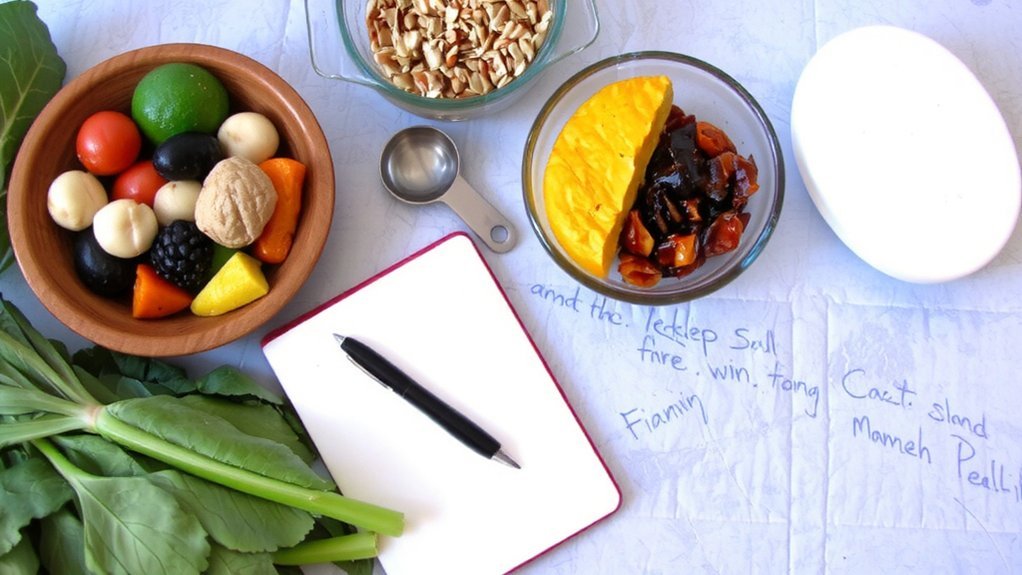
Although you want to stretch your dollars, you don’t have to sacrifice nutrition or flavor. You’ll set clear goals: save money, reduce prep time, and hit nutritional targets without boredom.
Adopt a budget mindset that treats meals as planners, not punishments; prioritize versatile staples, seasonal produce, and protein sources that stretch across recipes. You’ll map dinners for the week with balanced portions, pairing grains, legumes, and vegetables to meet macro needs and fiber targets.
Portion control and simple swaps keep costs down while preserving taste. Track progress, adjust portions, and reuse components to avoid waste.
With focused goals and flexible recipes you’ll enjoy varied dinners, meet your nutritional targets, and keep spending steady. You’ll celebrate savings and health as habits become routine daily soon.
Smart Grocery Shopping List for the Week
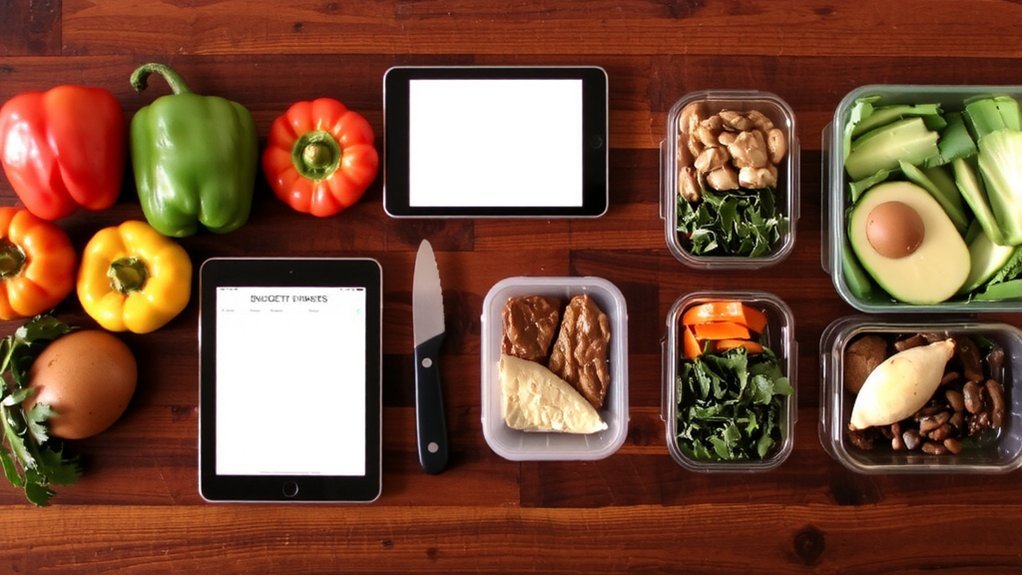
Now you’ll turn your meal goals into a compact grocery list that saves money, trims prep time, and keeps meals nutritious.
Start by grouping ingredients by meal and by category: produce, proteins, grains, dairy, pantry staples, and frozen. Estimate quantities for planned servings, note versatile items (eggs, canned tomatoes, rice) and mark sale substitutes.
Use shopping apps to clip coupons, compare prices, and track pantry inventory so you avoid duplicates. Try aisle mapping in your preferred store to cut back-and-forth trips; reorder your list to follow the aisles.
Leave a short column for flexible swaps and leftovers. Print or save the list on your phone, and you’ll shop faster, waste less, and stick to your budget.
Revisit it weekly as prices and needs change.
Seven $5 Dinner Recipes With Costs and Swaps
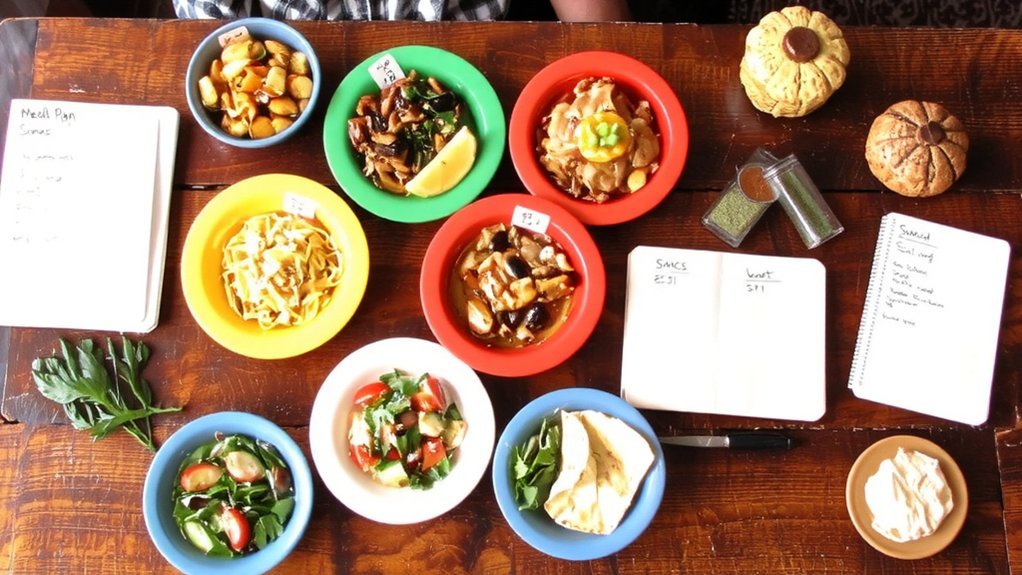
Seven simple dinners under $5 each give you variety, quick prep, and easy swaps to stretch your budget.
You’ll get recipes like lentil curry with rice ($1.50), chickpea tacos ($2), skillet sausage and peppers ($4.75), veggie fried rice ($1.80), pasta with tomato-garlic sauce ($1.20), black bean quesadillas ($2.25), and potato hash with eggs ($3).
For each recipe I list costs, simple ingredient swaps (canned for fresh, frozen veg for fresh, beans for meat) and portion tips so you can tweak price and flavor.
Use Serving Suggestions that keep portions satisfying, and Meal Pairings like a green salad, fruit, or yogurt to round dinners affordably.
You’ll save money without sacrificing taste or variety.
Rotate these weekly, swap spices, and shop sales to lower costs further.
Batch Cooking and Quick Prep Shortcuts
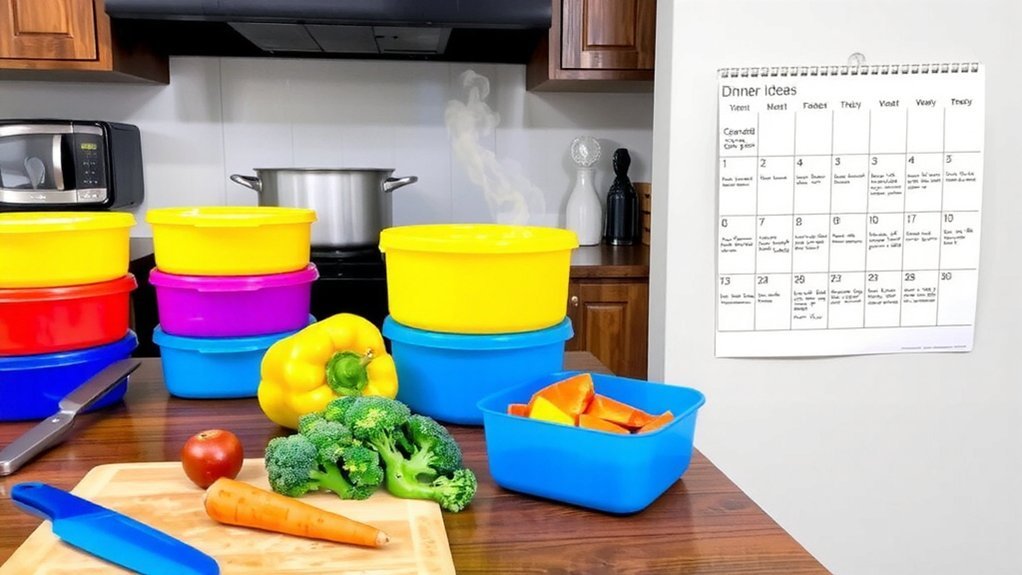
Set aside a couple of weekend batch sessions to cook big, affordable meals you’ll reheat all week.
Use time-saving prep hacks like chopping once, using a slow cooker, and pre-portioning ingredients to cut weekday work in half.
Portion meals into freezer-friendly containers so you can grab balanced dinners without extra expense or effort.
Weekend Batch Sessions
Prepping a few hours on the weekend lets you cook once and eat well all week: you’ll roast proteins, steam grains, and portion meals into ready-to-go containers so weekday dinners and lunches take minutes to finish.
Set a simple menu, list ingredients, and start with items that share temperatures or times.
Play a Kitchen Playlist to keep energy up and turn wiping surfaces into Cleanup Games between steps.
Label containers with dates and reheating instructions so you avoid scrambles.
Chop versatile veggies that fit several recipes, batch-cook one-pot beans or grains, and sear a couple of different proteins.
When you store meals smartly—cool before sealing, use clear containers—you’ll salvage time, cut waste, and stick to your budget all week.
Enjoy quicker dinners, less stress.
Time-Saving Prep Hacks
How can you shave hours off weekday cooking? Use Kitchen Zoning and Workflow Sequencing to streamline batch cooking and quick prep shortcuts. Set zones for chopping, cooking, and plating, and sequence tasks so you’re always prepping while something simmers. Prewash greens, premeasure spices, and par-cook grains to speed nightly assembly.
| Task | Shortcut | Time saved |
|---|---|---|
| Veg prep | Mandoline, batch chop | 20 min |
| Grains | Cook once, portion | 30 min |
| Sauce | Make double, store jars | 15 min |
Rotate simple templates—stir-fries, sheet-pan meals—and keep tools near their zones to cut decision time. Label containers, note reheating times, and plan two nights from leftovers for fast dinners. Prioritize multi-use ingredients and invest in a good knife; small upfront effort pays back with relaxed evenings. You’ll save hours weekly. Guaranteed.
Freezer-Friendly Portions
Freezing meals in portion-sized containers lets you turn a single batch into several ready-to-heat dinners, so you’ll spend less time cooking during the week.
You can batch-cook staples—stews, casseroles, grains—and cool them completely before packing.
Use vacuum sealing for longer freezer life and to prevent freezer burn; it also saves space.
Label each container with contents, date, and reheating instructions; portion labelling helps you grab exactly what you need and avoid waste.
For quick prep, pre-portion raw proteins and marinades into meal kits, then freeze flat for faster thawing.
Reheat gently from frozen or overnight in the fridge for best texture.
Rotate older meals forward, maintain an inventory list, and plan one night for using leftovers.
You’ll save money, time, and reduce household stress.
Flavor Boosters and Pantry Staples to Stretch Meals
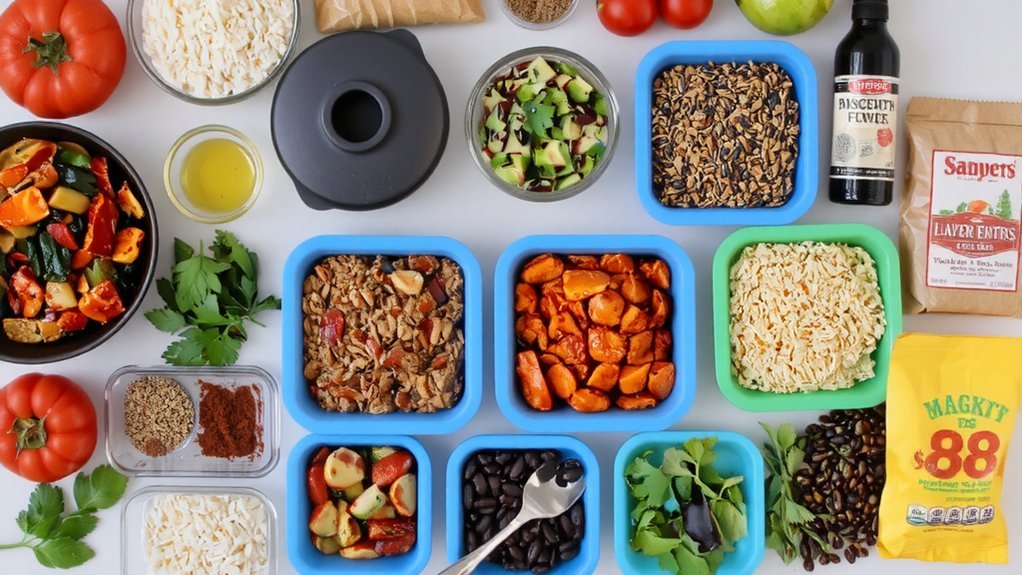
You’ll build big savings by stocking a few essential pantry staples like canned tomatoes, rice, beans, and dried herbs.
Cheap flavor boosters—vinegar, soy sauce, garlic, and chili flakes—let you stretch simple ingredients into tasty meals.
Keep these on hand and you’ll turn basic produce into satisfying dishes.
Essential Pantry Staples
A well-stocked pantry turns simple ingredients into satisfying meals. You’ll rely on staples like canned tomatoes, dried beans, rice, pasta, and broth to stretch dinners, and you’ll learn about historical origins of some staples and choose brands that consider packaging sustainability. Buy versatile items in bulk, rotate stock by date, and label jars. Keep a small spice kit, oils, vinegars, and soy sauce for depth. Store grains airtight and check for pests. The table shows core items, uses, and storage tips.
| Item | Common Use | Storage |
|---|---|---|
| Canned tomatoes | Sauces, soups | Cool, dry place |
| Dried beans | Stews, salads | Airtight jar |
| Rice | Sides, bowls | Airtight container |
| Pasta | Quick dinners | Pantry shelf |
You’ll save money and reduce waste when you plan, buy smart, and preserve staples properly daily.
Low-Cost Flavor Boosters
How can a handful of cheap pantry items make bland meals sing?
You lean on acids (vinegar, lemon), salts, chili flakes, soy, and bouillon to add depth.
Toasted spices and dried herbs release oils quickly; crush them before use.
A splash of acid at the end brightens heavy dishes, while a touch of sugar balances bitterness.
Use garlic and onions sautéed till fragrant, then deglaze the pan for instant richness.
Learn aroma psychology to pair scents with expectations—citrus with fish, smoky with beans.
Practice sensory training: taste salt, acid, fat, and heat separately so you adjust precisely.
Store small quantities in labeled jars, rotate stock, and stretch meals by concentrating flavors rather than increasing portions.
Freeze scraps for stock and flavor boosters later too.
Tips to Reduce Food Waste and Save More
When you plan meals and shop with a list, you cut impulse buys and use what you buy, which lowers waste and saves money.
Rotate items so older foods are front, and label leftovers with dates to avoid mystery tosses.
Batch-cook and freeze portions to stretch ingredients into extra meals.
Use peels, stems, and scraps in stocks or follow Composting Basics to turn waste into soil if you garden.
Share surplus with neighbors or drop extras at Community Fridges to help others and prevent spoilage.
Repurpose near-expiry produce into soups, stir-fries, or smoothies, and learn simple preservation — freezing, pickling, or drying — to lock in value.
Track your waste weekly and adjust purchases to fit needs.
Adjusting the Plan for Dietary Needs and Seasonal Produce
If you have allergies, intolerances, or specific goals, tailor the meal plan to those needs and swap ingredients rather than forcing rigid recipes.
Look for allergy swaps like oat milk for dairy, chickpea flour for wheat, or sunflower seed butter for peanut.
Use seasonal produce to cut costs and boost flavor: swap tomatoes with roasted squash in fall, or zucchini with summer cucumbers.
Plan proteins you tolerate, and batch-cook flexible bases like rice, quinoa, or roasted root vegetables.
Respect cultural preferences by integrating familiar spices and techniques so meals feel satisfying.
Make simple substitutions that keep nutrition and taste while staying on budget.
Update your shopping list weekly to reflect what’s ripe and affordable.
Freeze extras, label portions, and track savings monthly for comparison.
Conclusion
You’ve got a full week of simple, tasty $5 dinners that use seasonal produce and pantry basics, and you’ll save time and money by shopping smart, batch‑cooking, freezing portions, and swapping ingredients as needed. Use flavor boosters and staple seasonings to keep meals exciting, label and rotate what you store, and tweak recipes for dietary needs. Stick with this plan, and you’ll cut waste, stretch your dollars, and still consistently enjoy satisfying dinners every night.