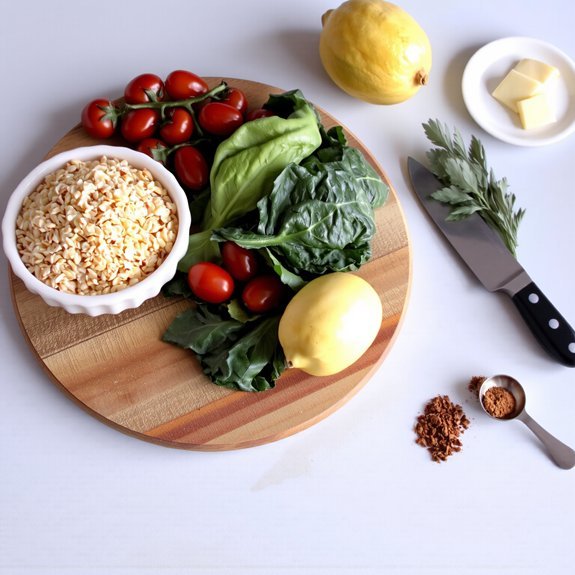
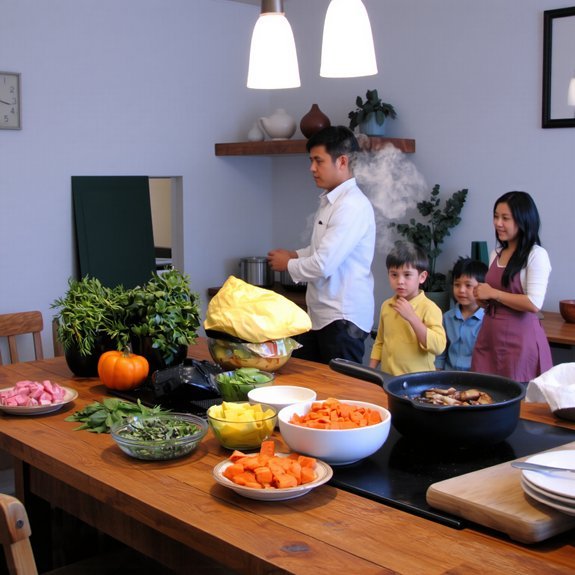

You want dinners that come together in 30 minutes, satisfy kids and adults, and don’t leave you exhausted. This plan gives a simple weekly framework, adaptable 30-minute templates, and batch-prep tricks that actually save time. You’ll get a practical roster and smart swaps to start with:
Key Takeaways
- Plan a weekly menu with theme nights to reduce decision fatigue and streamline grocery shopping.
- Batch-prep grains, roasted veggies, and sauces on weekend for quick weekday assemblies.
- Maintain a compact roster of 15–30 minute templates: sheet-pan, stir-fry, one-pot pasta, and skillet quesadillas.
- Portion and freeze proteins flat, label with date/contents, and keep reheating instructions for fast meal rescue.
- Use pantry shortcuts (canned beans, jarred sauces, pre-washed greens) and multiuse appliances to shave prep time.
Weeknight Meal Strategies for Busy Families
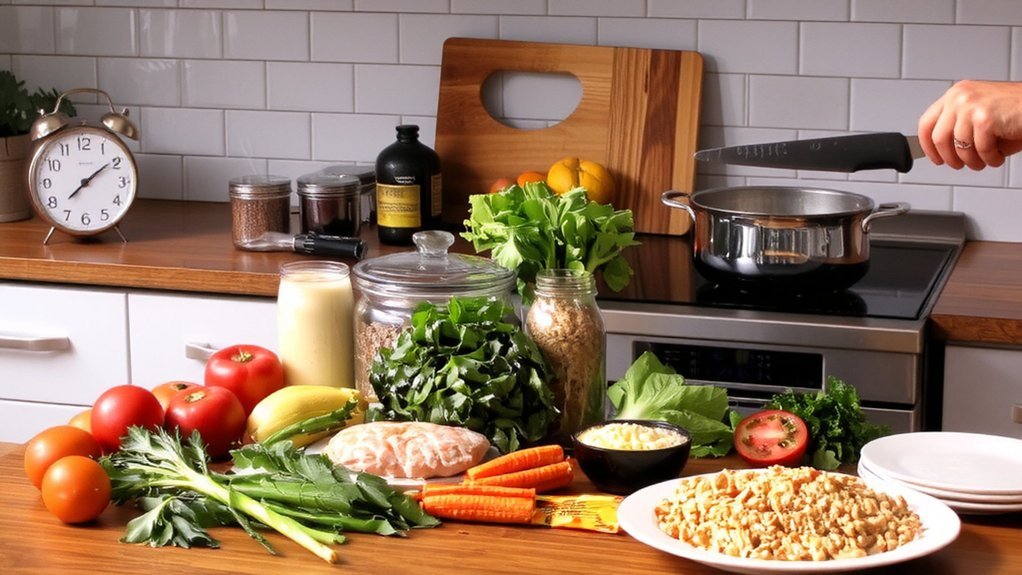
When you’re juggling work, homework and activities, a few reliable strategies will keep dinners fast and satisfying: plan a weekly menu, batch-prep staples (grains, roasted veggies, sauces), and rotate quick templates like sheet-pan meals, stir-fries and one-pot pastas.
Use Theme nights to simplify choices—Taco Tuesday, Stir-Fry Wednesday—so shopping and prep become routine.
Build Mealtime rituals: set a brief family check-in, dim lights, or play a playlist to signal dinner time.
Prep components while kids do homework or fold laundry so assembly takes minutes. Keep a freezer stash of cooked proteins and sauces for emergencies. Reuse leftovers creatively: turn roast chicken into tacos or pasta. With consistent steps, you’ll cut decision fatigue and get nourishing meals on the table faster. You’ll thank yourself every week.
30-Minute Recipe Lineup: Dinners the Whole Family Will Love
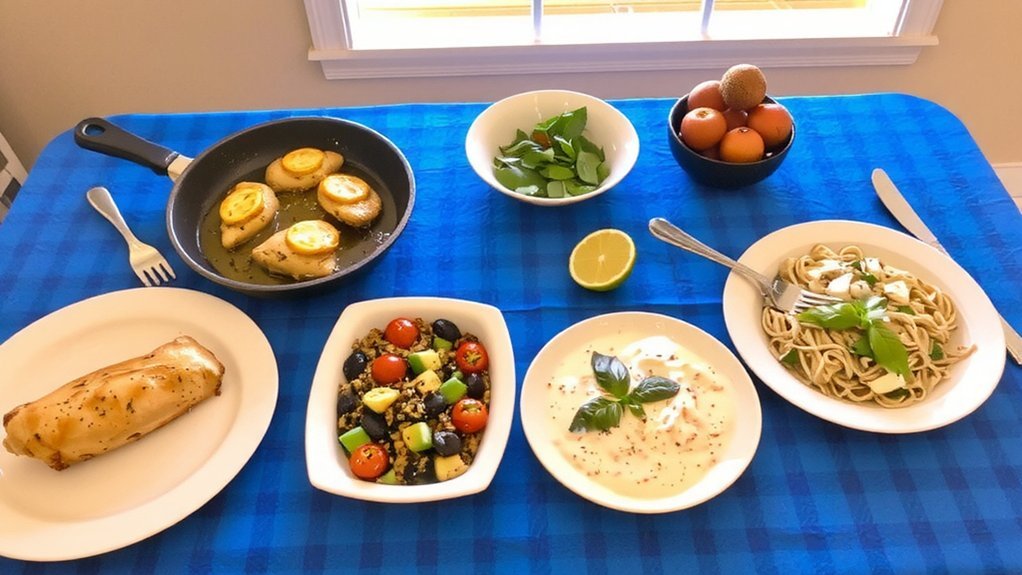
Now that you’ve set up menu rhythms and batch-prepped staples, build a compact roster of go-to recipes everyone will eat: fast sheet-pan dinners, 15–20 minute stir-fries, one-pot pastas, skillet quesadillas, simple tacos, grain bowls with roasted veggies and a protein, and a slow-cooker dump for the busiest nights. Choose a balance of Global Favorites and Comfort Classics, rotating proteins and veggies. Keep base recipes adaptable: swap sauces, grains, or heat levels. Use a simple cheat sheet to mix and match. Below is a recipe matrix to spark weeknight choices.
| Recipe | Time | Crowd-pleaser |
|---|---|---|
| Sheet-pan chicken + veg | 30 min | Comfort Classics |
| 15–20 min stir-fry | 20 min | Global Favorites |
| One-pot pasta | 25 min | Family favorite |
Keep portions flexible and seasonings simple so everyone eats without fuss.
Make-Ahead, Batch-Prep, and Freezer-Friendly Tricks
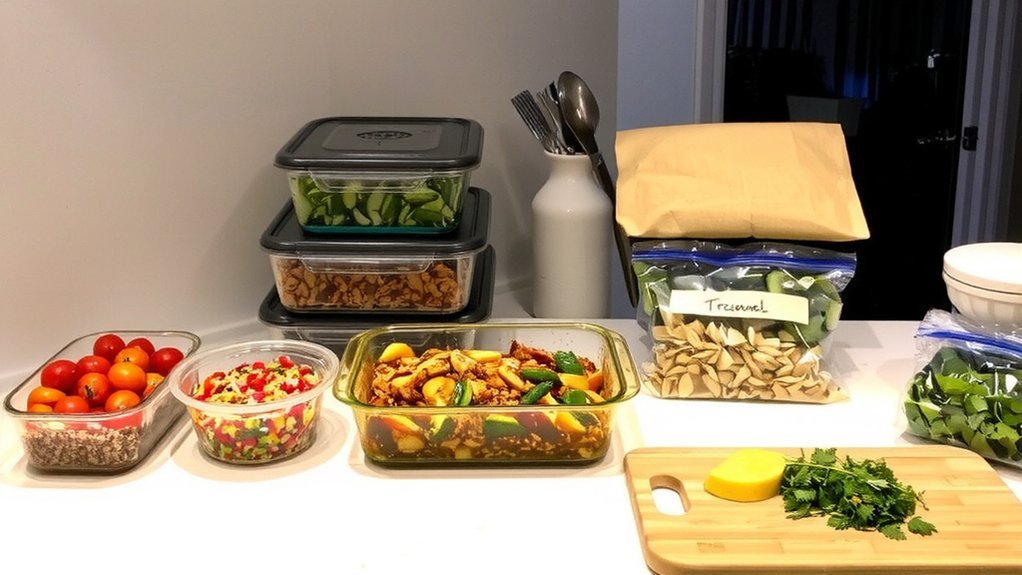
Prepping staples in bulk saves you time and stress during the week: cook a big pot of grains, roast a tray of mixed vegetables, and portion proteins into meal-sized containers so you can assemble dinners in minutes.
You’ll streamline evenings by batching sauces, chopping herbs, and par-cooking proteins for later finishes.
Use a clear Labeling System with date, contents, and reheating instructions to avoid mystery meals.
Portion Freezing keeps servings ready—freeze flat in zip bags for quick thawing.
Rotate batches weekly to maintain freshness and safety.
Keep a simple inventory list on the fridge so you know what’s available.
Quick tips:
- Freeze soups and stews in single-meal pouches
- Flash-freeze individual veggies for stir-fries
- Pre-portion grains for microwave reheating
You’ll thank yourself all week.
Smart Pantry Swaps, Appliances, and Time-Saving Shortcuts
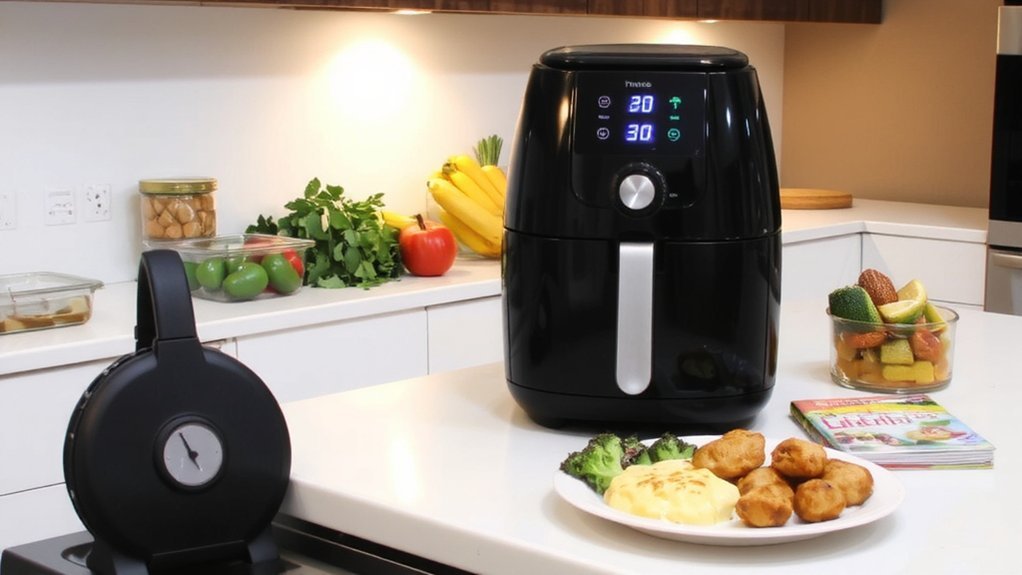
How can you shave minutes off dinner without losing taste? Swap pantry staples: use quick-cooking grains, canned beans, jarred sauces, and pre-washed greens to cut prep.
Choose multiuse tools — a pressure cooker for beans and stews, a sheet-pan for one-step meals, and an immersion blender for sauces.
Keep appliance maintenance simple: wipe seals, descale kettles, and check cords to avoid breakdowns.
Save time with mise en place: pre-chop aromatics and portion spices into small containers.
Use inventory labeling on shelves and jars so you know what’s low or expiring; rotate items front-to-back.
Batch shortcuts like pre-cooked proteins, frozen veggies, and ready grains let you assemble dinners fast without sacrificing flavor.
Keep a simple weekly checklist and you’ll avoid last-minute grocery runs every week reliably.
Adapting Meals for Picky Eaters and Common Dietary Needs
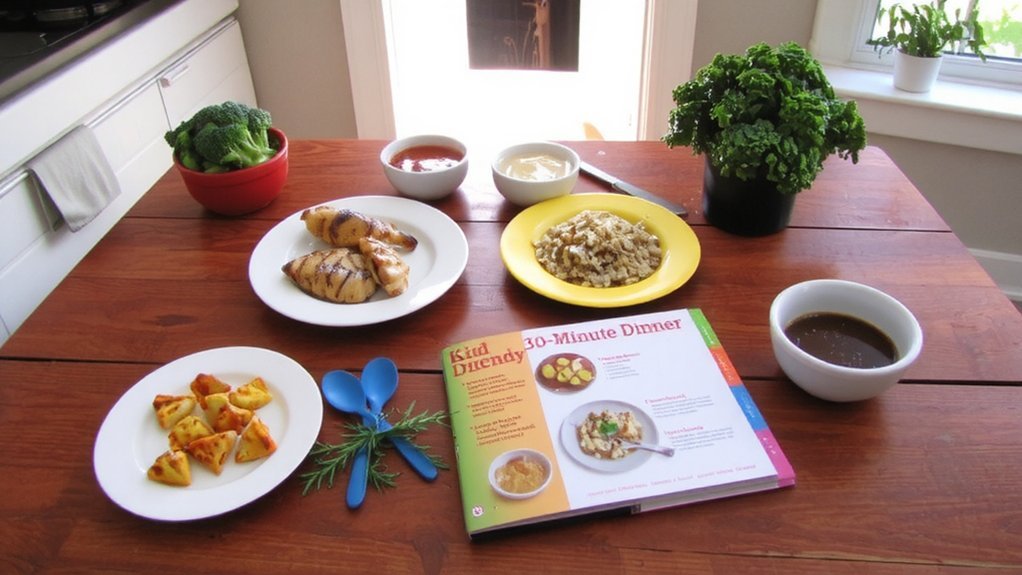
If you’re feeding picky eaters or juggling allergies and preferences, plan flexible, build‑your‑own meals and simple swaps so everyone gets something they’ll eat.
You can offer components—proteins, veggies, grains, and let each person assemble plates. Use texture adjustments like blending, chopping fine, or crisping to suit tastes. Label options clearly for family members with restrictions and maintain allergen labeling on containers to avoid mix-ups. Stick to quick swaps (dairy-free yogurt, gluten-free pasta) and keep a safe prep zone.
- Offer a base plus toppings bar
- Keep two cooking methods (soft and crispy)
- Mark containers with allergens and dates
You’ll save time, reduce stress, and keep dinners peaceful without sacrificing nutrition.
Rotate favorites weekly so exposure expands palates and simplifies shopping routines too.
Conclusion
You’ll breeze through weeknights with this quick meal plan—theme nights, 30-minute templates, and smart batch-prep let you mix proteins, veggies, and sauces without stress. Prep grains, roasted veg, and sauces ahead; freeze portioned proteins; use a pressure cooker, sheet pan, or one-pot pasta to save time. Swap pantry staples to suit diets and tweak flavors for picky eaters. With a simple checklist and rotating roster, you’ll keep dinners fast, flexible, and family-friendly all year round.