
You’ve likely noticed your appetite, tastes, or energy have shifted as you’ve aged. A senior meal plan focuses on nutrient-dense, easy-to-eat choices that protect muscles, bones, and brain while keeping meals enjoyable. I’ll offer practical menus, swaps, and prep tips that fit real life—and a few simple recipes to get you going…
Key Takeaways
- Prioritize protein-rich meals (lean meat, dairy, legumes, eggs) at each meal to preserve muscle and support recovery.
- Include vitamin D, calcium, B12, fiber, potassium, and healthy fats for bones, cognition, digestion, and heart health.
- Aim for smaller, balanced meals with two snacks daily and adequate fluids to match lower metabolism and appetite.
- Modify textures (soft, minced, pureed) and boost calories/nutrients when chewing, swallowing, or appetite are limited.
- Simplify shopping and cooking: batch-cook grains/proteins, use frozen/pre-cut produce, and keep a short versatile grocery list.
Why Nutrition Changes With Age
As you age, your body handles food differently: your metabolism slows, digestion can become less efficient, and taste and appetite often change, so what worked before may no longer meet your needs.
You’ll notice sensory decline—foods seem blander and textures matter more—so you choose meals that satisfy without excess salt or sugar.
Your metabolic slowdown means you burn fewer calories at rest, so portion size and meal timing become tools to maintain weight and energy. Muscle loss and changes in chewing or swallowing can affect what you pick, so you favor softer, nutrient-dense options prepared safely.
Medication interactions and chronic conditions also influence appetite and tolerance, so you monitor effects and adjust your eating patterns accordingly. Talk with your clinician or dietitian when unsure.
Key Nutrients for Older Adults
Because your body absorbs and uses nutrients differently with age, focusing on specific vitamins and minerals will help preserve muscle, bone, and brain health.
You should meet Protein requirements by aiming for more high-quality protein at each meal to maintain muscle and support recovery; include lean meats, legumes, dairy, and eggs.
Vitamin D and Calcium needs are critical for bone strength, so get safe sunlight, fortified foods, and supplements when recommended.
B12 and folate support cognition and energy, so check levels regularly and choose fortified cereals or supplements if needed.
Don’t forget fiber, potassium, and healthy fats for digestion, blood pressure, and heart health.
Talk with your clinician or dietitian to personalize targets and avoid excesses.
Small adjustments can yield measurable health improvements quickly.
Weekly Sample Meal Plans and Recipes

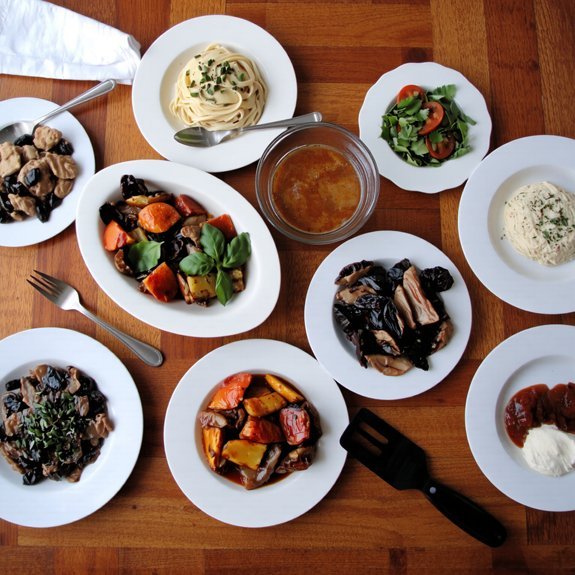
Now that you know which nutrients matter most, you’ll see how to turn those targets into a practical weekly plan with simple recipes and shopping lists. Use Theme Weeks to simplify choices: Mediterranean week focuses on oily fish, whole grains, legumes; Comfort week uses easy soups and casseroles. Each day lists breakfast, lunch, dinner, two snacks and a hydration reminder.
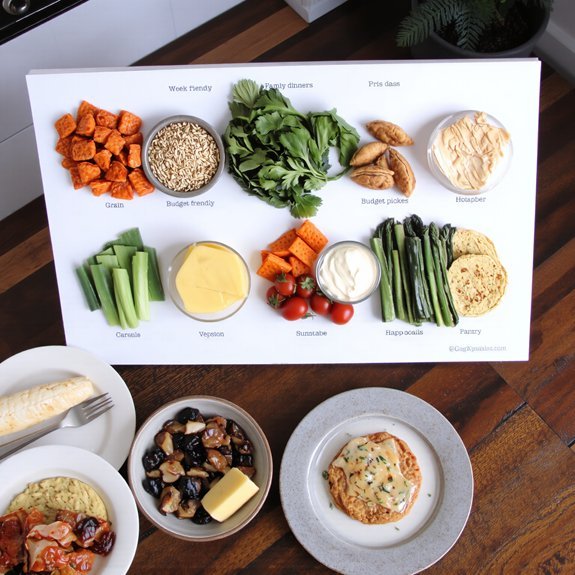
Choose Seasonal Recipes to maximize flavor and nutrients—summer salads, fall squash stews—then swap ingredients when unavailable. Use shopping lists grouped by produce, protein, dairy, pantry staples, and a prep plan: batch-cook grains, portion proteins, chop vegetables for grab-and-go meals.
Follow suggested portion sizes and reheating tips, and you’ll save time, reduce waste, and keep meals balanced all week with variety and enjoyment daily now.
Adapting Meals for Health Conditions and Eating Challenges

When you’re managing chronic conditions or dealing with chewing, swallowing, or appetite changes, adapt meals to meet medical needs without sacrificing taste or variety. You’ll focus on Texture Modification for safer swallowing, nutrient-dense meals to counter poor appetite, and coordinating with clinicians about Medication Interactions that affect appetite or nutrient absorption. Blend, soften, or finely chop foods; pair proteins with healthy fats and calories; and use flavorful herbs to boost appeal. Monitor portion sizes and hydration. Consult a dietitian for heart, diabetes, or kidney-specific restrictions, and keep a list of safe foods and alternatives. Below are quick swaps to make meals easier and more nourishing.
| Swap | Benefit |
|---|---|
| Mashed beans for whole beans | Easier to chew, preserves protein |
| Smoothies with milk or yogurt | Calorie-dense, hydration |
Shopping, Prep, and Mealtime Tips for Independence

If you want to stay independent at mealtimes, simplify shopping and prep so cooking feels doable: make a short grocery list of versatile staples, pick pre-cut or frozen fruits and vegetables, and favor ready-to-eat proteins like rotisserie chicken or canned tuna.
Shop with intent: plan two-week menus, use a list organized by store sections, and practice Grocery Navigation by following clear aisles to avoid fatigue.
Prep once, eat twice: batch-cook grains, portion snacks, and store meals in labeled containers.
Use Assistive Utensils—easy-grip knives, plate guards, electric jar openers—to reduce strain and risk.
Arrange your kitchen for accessibility: keep frequently used items within reach, use non-slip mats, and maintain good lighting.
Ask for help when tasks feel unsafe.
You’ll enjoy safer, easier mealtimes every day.
Conclusion
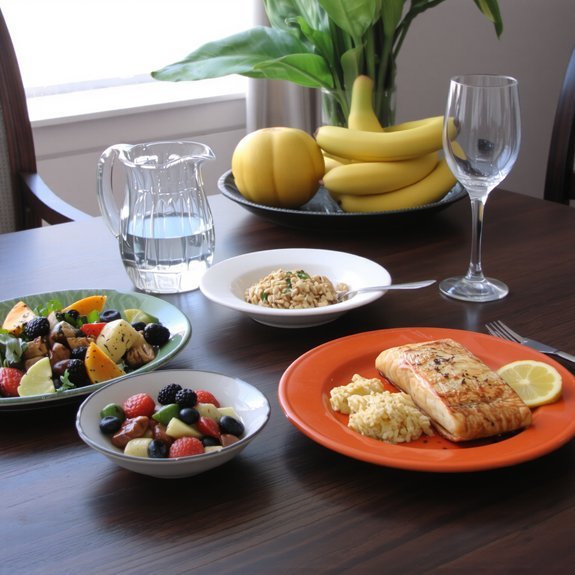
You can make meals that support strength, bones, brain health, and enjoyment by choosing lean protein, calcium- and vitamin D–rich foods, fiber, B12, healthy fats, and potassium. Use simple Mediterranean-style recipes, batch-cook, and pick pre-cut or frozen produce to save time. Flavor with herbs instead of salt, stay hydrated, and adjust textures or nutrients for chewing, swallowing, or medical needs. Check with your clinician or dietitian to personalize plan and keep mealtimes independent and pleasurable.