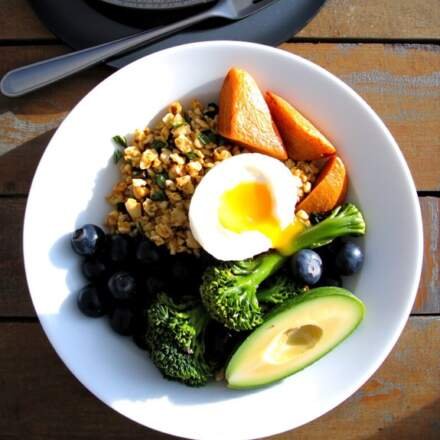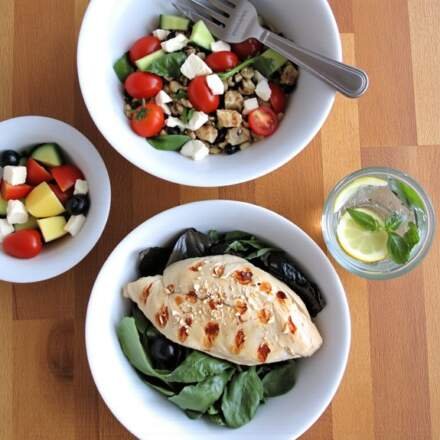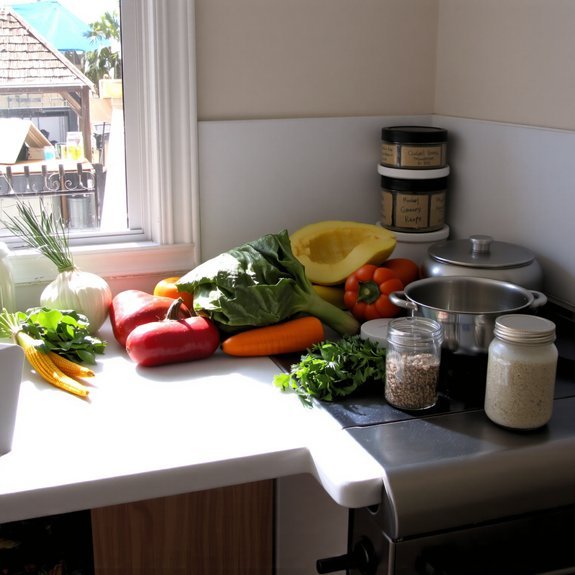
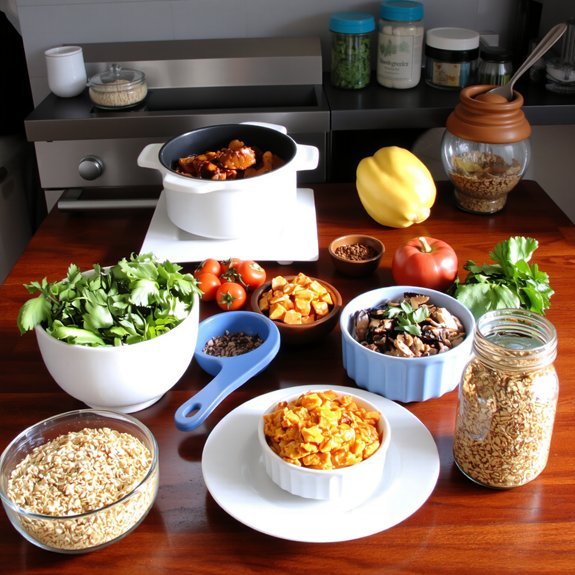

You batch-shop, cook, and portion on Sunday so your weekdays are low-decision. It saves hours, curbs impulse buys, and improves meal quality. Start with three dinner templates and a simple pantry list—you’ll be surprised how much one focused day can change the whole week…
Key Takeaways
- Batch-cook versatile bases, proteins, and roasted vegetables Sunday to cut daily decision friction and save weekday cooking time.
- Sync your meal plan to the week’s calendar, pick three dinner templates, and shop shared-ingredient staples within a set budget.
- Use mise en place, efficient workflow, and double recipes; portion meals into clear stackable containers for grab-and-go use.
- Label containers with contents and dates; refrigerate up to four days, freeze extras, and rotate older meals first.
- Reheat smartly (microwave low-power, oven/air-fryer for crispness) and remix sauces, acids, or toppings to refresh repeats.
Why Sunday Meal Prep Still Works in 2025–2026
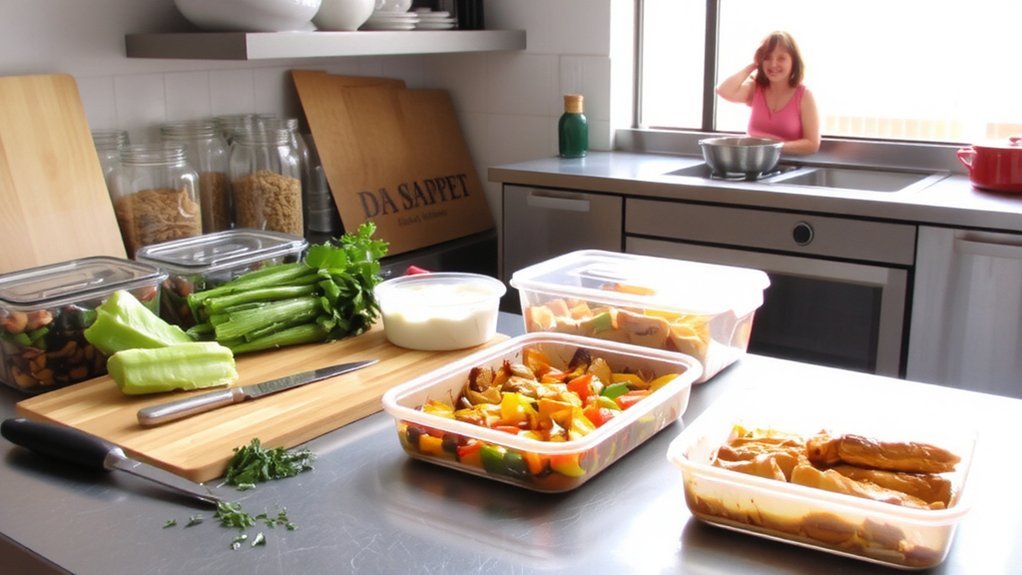
Why does Sunday meal prep still work in 2025–2026? You stick to a simple habit that scales with modern life: prepping meals once reduces daily decision friction, saves time, and steadies your week.
You build routine resilience — small rituals that survive disruptions like remote meetings or shifting social plans.
You use principles from behavioral economics: batching choices, changing defaults, and making healthy options obvious so you’ll follow through when you’re tired.
Tech helps, but it doesn’t replace the benefit of a straightened routine you own.
When you preload your fridge, you cut cognitive load, lower impulse spending, and keep nutrition consistent.
You won’t need perfect plans; you just need a reliable Sunday system you can tweak, not overhaul. Small wins compound quickly, regularly.
Planning Your Week: Smart Menu and Grocery Strategies
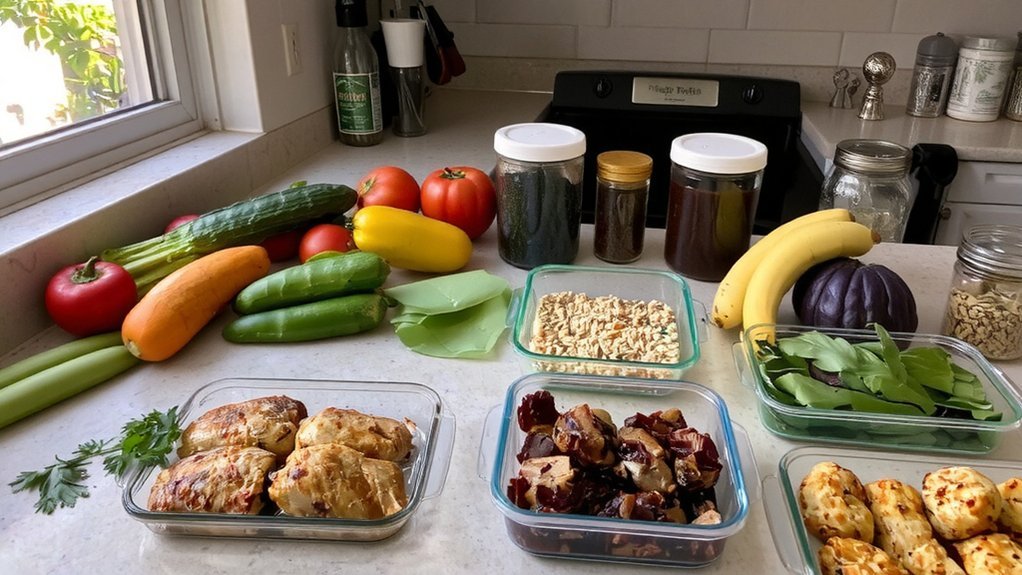
Once your Sunday routine is in place, you make it stick by planning a simple menu and a focused grocery list that match your week’s tempo. Use Calendar Sync to spot busy nights, schedule leftover nights, and plan fresh-cook evenings.
Do a quick Budget Forecasting check: set a cap, prioritize proteins and versatile staples, then adjust recipes to avoid waste. Plan meals that share ingredients so you shop less and cook smarter.
- Pick 3 dinner templates (one-pan, slow-cook, salad-forward)
- List staples you need for all recipes
- Block prep times in your calendar
Stick to realistic portions, note snacks, and buy only what fits the plan. Reassess midweek, swap meals if plans change, and freeze extras for unexpected busy days each week.
Tools and Containers That Make Prep Easier
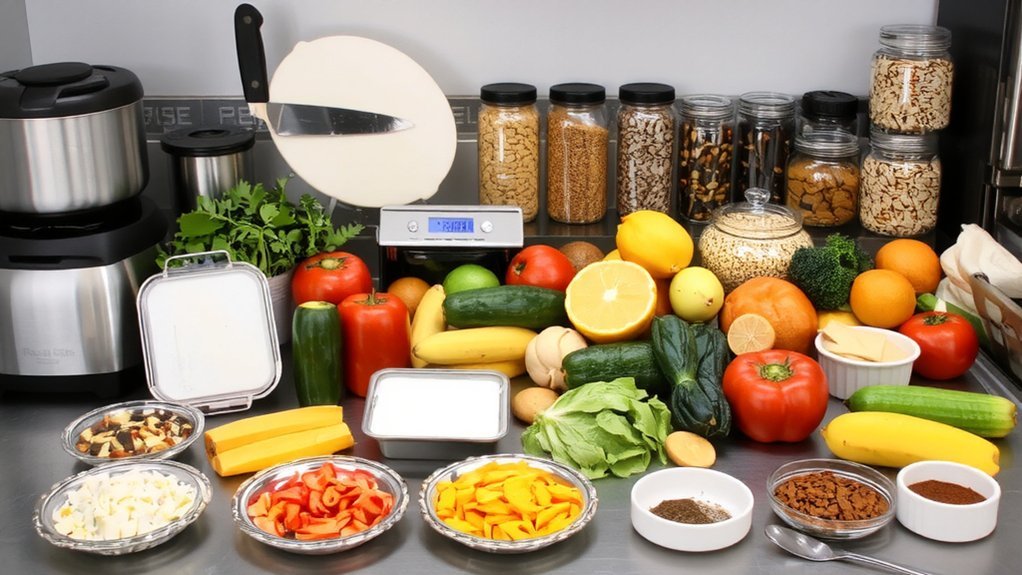
Equip your kitchen with a handful of smart tools and airtight containers to cut prep time and keep food fresh.
You’ll want clear, stackable containers in multiple sizes for portioning, a labeler and marker for dates, and insulated carriers for hot meals.
Choose ergonomic utensils that reduce wrist strain—good knives, a swivel peeler, and a sturdy spatula speed tasks.
Invest in durable glass for reheating and BPA-free plastic for transport. Keep lids, clips, and lids’ seals organized in a drawer tray.
Use modular shelving in your pantry and fridge to group ingredients and maximize visibility, so you won’t dig for items. A compact food scale and nesting mixing bowls round out a setup that makes a single prep day efficient and repeatable every week.
Time-Saving Techniques for Batch Cooking
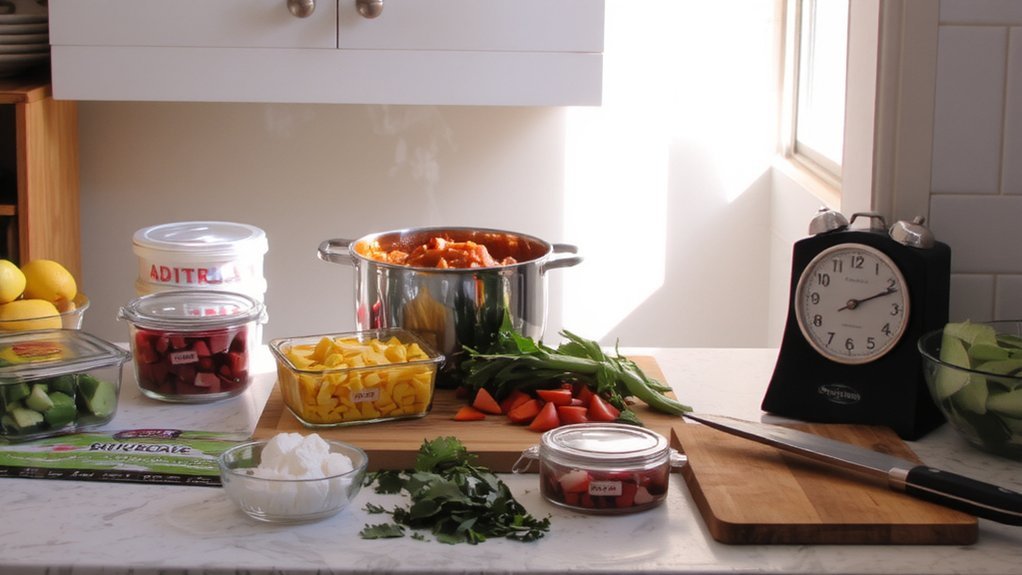
Start by mastering mise en place so you’ll have ingredients prepped and within reach before you cook.
Plan to cook once for multiple meals—batch proteins and grains that reheat well.
Use “eat twice” thinking to portion and repurpose leftovers into new dishes during the week.
Mise En Place
Prepping your mise en place before you begin cuts wasted time and keeps you focused during batch cooking.
You set stations, label containers, and sort ingredients so cooking flows.
Apply Workflow Mapping to sketch task order and move logically from prep to cook.
Use Sensory Training—smell, sight, touch—to judge doneness and freshness while reducing recipe rechecks.
- Trim, chop, and portion ingredients by recipe.
- Arrange tools and pans within arm’s reach.
- Pre-measure spices, liquids, and garnishes.
With everything staged you’ll reduce interruptions, speed cleanup, and scale recipes reliably.
You’ll stay calm under time pressure, avoid duplicate steps, and maintain consistent results across meals all week.
Keep a running checklist to track batches and note tweaks for next Sunday’s prep and improvements.
Cook Once, Eat Twice
Doubling recipes lets you turn a single cooking session into several ready-to-eat meals, so you’ll spend less time at the stove during the week. When you batch cook, portion meals for different days, freeze extras, and label with dates; you’ll use Flavor Reinvention by changing sauces or toppings to avoid monotony. Pack versatile bases (grains, roasted veggies) and store proteins separately so you can mix combos fast. Invite neighbors for Community Sharing: swap portions to sample new dishes and reduce waste. Reheat gently, add fresh herbs, and finish with acid or crunch to revive flavors. With simple planning you’ll save hours and keep meals interesting all week.
| Item | Purpose |
|---|---|
| Batch base | quick foundation |
| Swap | Community Sharing |
You’ll thank yourself for the time saved weekly.
Versatile Base Components to Prep First
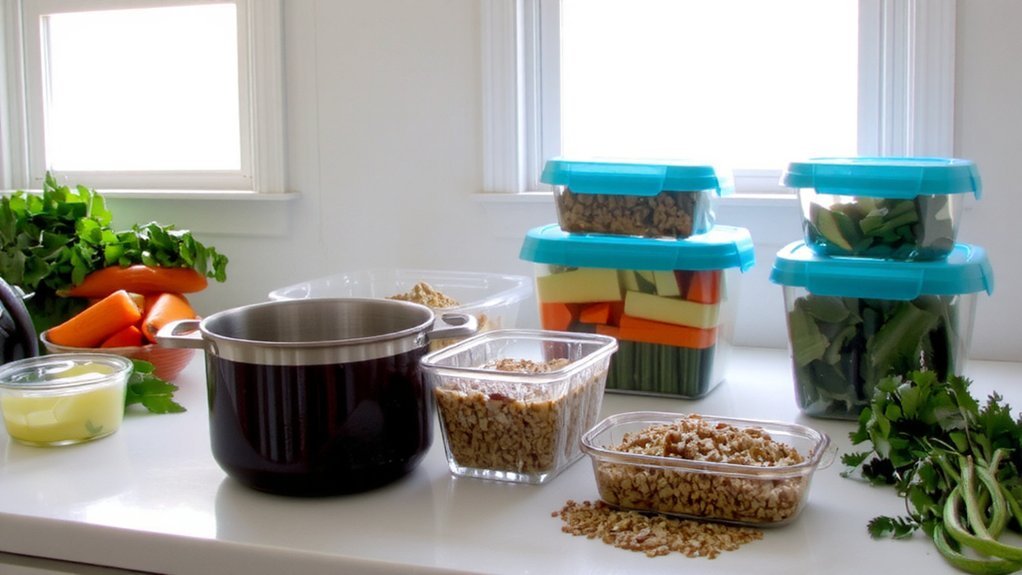
When you map out your Sunday meal prep, prioritize versatile base components—think cooked grains, roasted vegetables, a simple protein, and a couple of dressings—so you can mix and match meals all week without extra work.
Start with components that store well: brown rice or quinoa, oven-roasted root and cruciferous vegetables, and a neutral baked protein you can season later.
Prep small jars of fermented condiments and infused oils to transform repeats into varied meals. Pack components separately so flavors stay distinct and reheating’s simple.
Plan portions for lunches and dinners, label containers, and note suited pairings. Use this quick checklist to keep prep efficient:
- Grains + roasted veg
- Neutral protein + sauces
- Fermented condiments, infused oils
Rotate spices for fresh meals.
Quick Proteins: Recipes and Shortcuts
Pair those make-ahead grains and roasted veg with quick proteins you can cook or assemble in 5–20 minutes: think pan-seared chicken cutlets, lemon-garlic shrimp, a soy-sesame tofu stir-fry, or a skillet of spiced ground turkey.
You’ll keep dinners fast by batch-cooking chicken breasts thinly sliced for salads and wraps, searing shrimp in minutes with zest and herbs, or browning turkey with smoky spices.
For plant-forward days, use Canned Tuna for salads and bowls, or maximize tofu with simple Tofu Hacks: press, cube, toss in cornstarch, then crisp in a hot pan for texture.
Store proteins in shallow containers so you reheat quickly.
Label portions so you grab balanced meals without thinking.
Freeze extra portions for emergency lunches and rotate them through your weekly plan.
Vegetables, Grains, and Legume Prep for the Week
You can batch-roast, steam, and chop vegetables on Sunday so they’re ready for salads, bowls, and stir-fries.
Cook large portions of grains like rice, quinoa, or barley and portion them into jars or containers for quick reheating.
Soak and cook legumes (or use cans), then season and refrigerate or freeze in meal-sized portions to speed weekday cooking.
Batch Vegetable Prep
Chopping and cooking a few versatile vegetables, grains, and legumes on Sunday makes weekday meals faster and healthier.
You’ll start by sorting a garden harvest: wash, trim, and separate vegetables for roasting, steaming, or raw use.
Keep fermented pickles as a tangy topping that lasts all week.
Batch roast carrots, bell peppers, and Brussels sprouts; steam greens and store loose.
Use airtight containers and label dates.
Reheat gently to preserve texture.
Rotate portions into salads, bowls, and omelets for variety.
Plan sauces and dressings to brighten reheated veg.
Quick checklist keeps you efficient:
- Wash and trim
- Roast, steam, store
- Label and rotate
Stick to simple methods so flavors stay fresh and prep stays doable.
You’ll save time, reduce waste, and eat better weekly, consistently.
Grain and Legume Prep
Once veggies are sorted, set grains and legumes as the meal bases you’ll rely on all week: soak beans overnight, cook big batches of rice, quinoa, or farro, and cool them quickly to keep texture and safety. Use Sprouting Methods for quick greens and better digestion, and try Legume Fermentation for flavor and nutrient boost when you have time. Portion cooked grains into meal-sized containers, label with dates, and refrigerate up to four days or freeze longer. Reheat gently with a splash of water. Keep a simple seasoning kit nearby so grains transform into bowls, salads, or sides in minutes.
| Step | Action |
|---|---|
| Soak | Beans overnight |
| Cook | Large batch grains |
| Store | Portion and chill |
Rotate options weekly to avoid boredom and check freshness dates regularly.
Portioning, Labeling, and Storage Best Practices
If you’re prepping meals for the week, decide portion sizes and storage methods before you start packing so everything fits your fridge plan. Plan portions by meal and day, use clear containers, and portion-control tools to avoid waste.
Labeling matters: include date, contents, reheating notes (brief), and allergen labeling. Use temperature zoning—keep ready-to-eat above raw proteins and store dairy on colder shelves.
- Rotate older meals
- Freeze extras in meal-sized bags
- Track portions on inventory
Check seal integrity and discard per safe timelines. Keep an inventory list on the fridge to track meals and prevent duplication.
Clean lids and rims before sealing. When labeling, use waterproof markers or printable stickers that won’t smear. You’ll thank yourself midweek for organization later and time.
Reheating Tips to Keep Food Fresh and Flavorful
When you reheat meals in the microwave, cover them loosely and add a splash of water to prevent drying.
Use the oven or air-fryer to restore crispness on items like roasted veggies or chicken.
For saucy dishes and rice, reheat gently on the stovetop or with steam to keep textures and flavors intact.
Microwave: Prevent Drying
Reheating in the microwave can quickly dry out foods, but a few simple steps will keep moisture and flavor intact: cover dishes with a vented lid or damp paper towel, add a splash of water or sauce to rice and pasta, use lower power and shorter bursts, stir or rotate halfway through, and let food rest a minute before serving so steam redistributes.
You’ll also use techniques like power pulsing and a damp towel to trap steam and avoid hot spots.
Keep portions shallow, arrange pieces evenly, and monitor reheating.
Try this checklist to get consistent results:
- Cover and vent to retain steam.
- Power pulsing on 50–70% with short intervals.
- Add liquid for grains, stir, then rest.
Practice makes it easy.
Oven and Air-Fryer
While the microwave restores moisture, the oven and air-fryer bring back crispness and texture you can’t get from steam alone.
You reheat roasted vegetables, chicken, and pizza at moderate temperatures to avoid drying: 325–350°F for the oven, 300–325°F for the air-fryer, using a short covered period then finishing uncovered for 3–6 minutes.
Use single layers and shake baskets for even browning.
Keep an eye on Ventilation Requirements—place units where airflow clears odors and steam—and watch Noise Levels; air-fryers run louder, so run them when it won’t disturb others.
Use a thermometer for internal temps, tent with foil if edges brown too fast, and rest food briefly so juices redistribute and crusts stay crisp. Label containers with reheating guidelines so you know timing and temps.
Stovetop and Steaming
How do you choose between a skillet and a steamer? You think about texture and sauce: use a skillet for crisp edges and concentrated flavor, or a steamer to revive delicate items without drying.
For saucy leftovers, loosen with a splash and finish with a quick broth reduction to intensify taste. Preserve Steaming textures by timing reheat cycles—vegetables need minutes, fish needs less.
Follow these focused tips:
- Skillet: medium heat, add fat, toss until hot.
- Steamer: immediate steam, cover, check frequently.
- Sauces: reheat gently, reduce to thicken.
You’ll keep meals fresh and flavorful by matching method to food, monitoring heat, and finishing with a proper sauce or reduction. Reheat smartly, label containers, and rotate meals to maintain peak quality all week.
Reducing Waste and Rotating Menus to Avoid Burnout
Why not plan your menu around portions and perishability so you don’t toss food and get bored? Use Flavor cycles, Compost strategies: rotate proteins, grains, and sauces every few days so meals feel fresh without extra shopping.
Cook versatile bases — roasted vegetables, grains, and a protein — then remix them with different dressings, herbs, or heat levels. Label containers with dates, freeze extras promptly, and eat perishables first.
Track what you toss for two weeks to adjust portions. Save peels and scraps for compost; set a small counter bin and empty it regularly to reduce waste. Batch-prepare sauces and dressings to stretch meals. You’ll save money, eat varied dishes, and avoid prep burnout by rotating intentionally. You’ll reclaim time and enjoy weekly confidence.
Conclusion
By prepping one day a week you’ll trade daily decision fatigue for predictable, tasty dinners that fit your week. You’ll save time, cut impulse spending, and eat better when you plan menus, batch-cook versatile bases and proteins, and label portions clearly. Store smart—stackable containers, freezer extras, and varied sauces keep meals interesting. Reheat thoughtfully and rotate recipes so you don’t burn out. Stick with this system and weekly cooking will feel effortless, flexible, and sustainable.